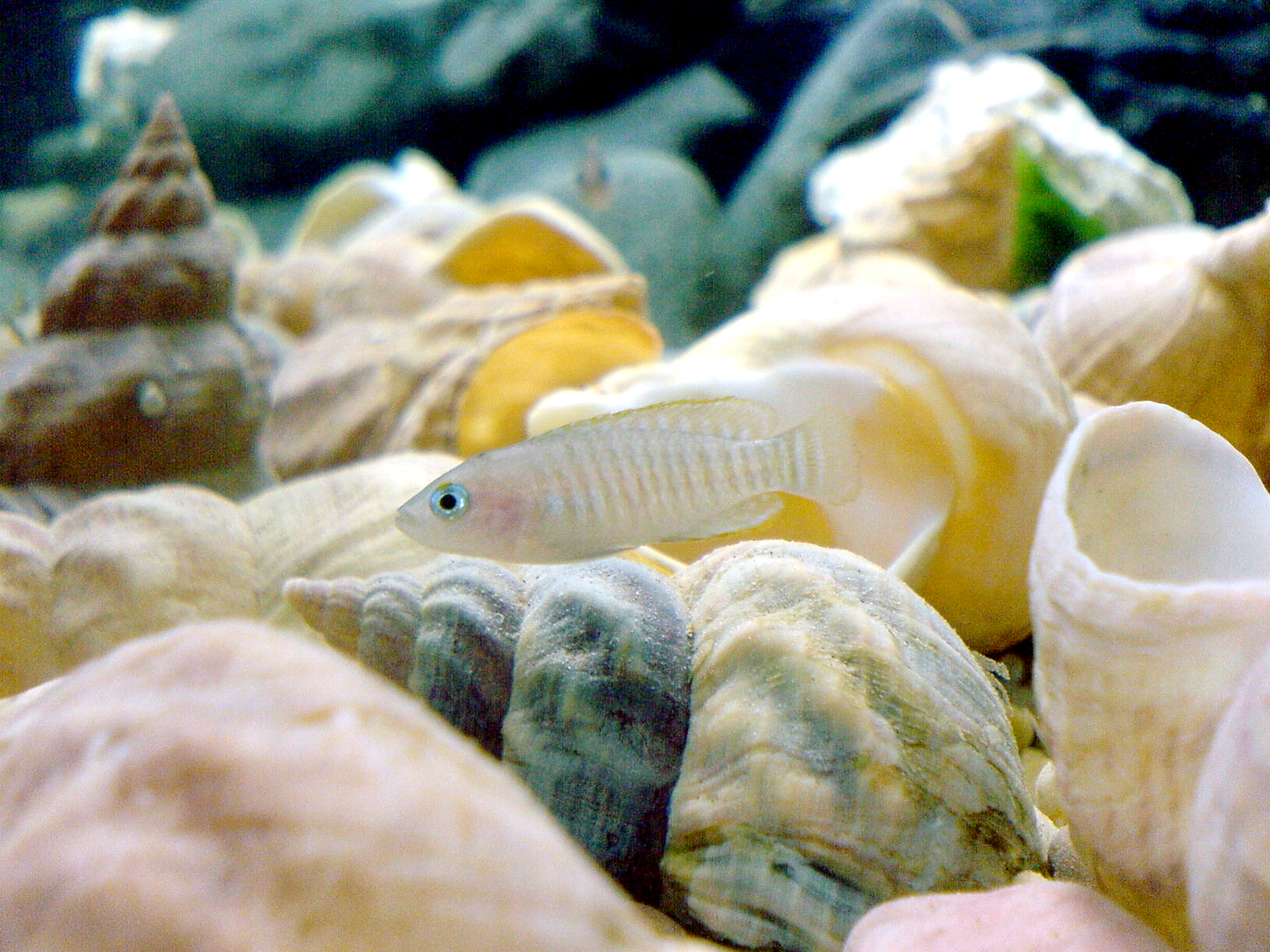
A Neolamprologus brichardi fairy cichlid with trailing finnage over rockwork

Neolamprologus Brichardi Care: The Fairy Cichlid That Runs a Dynasty

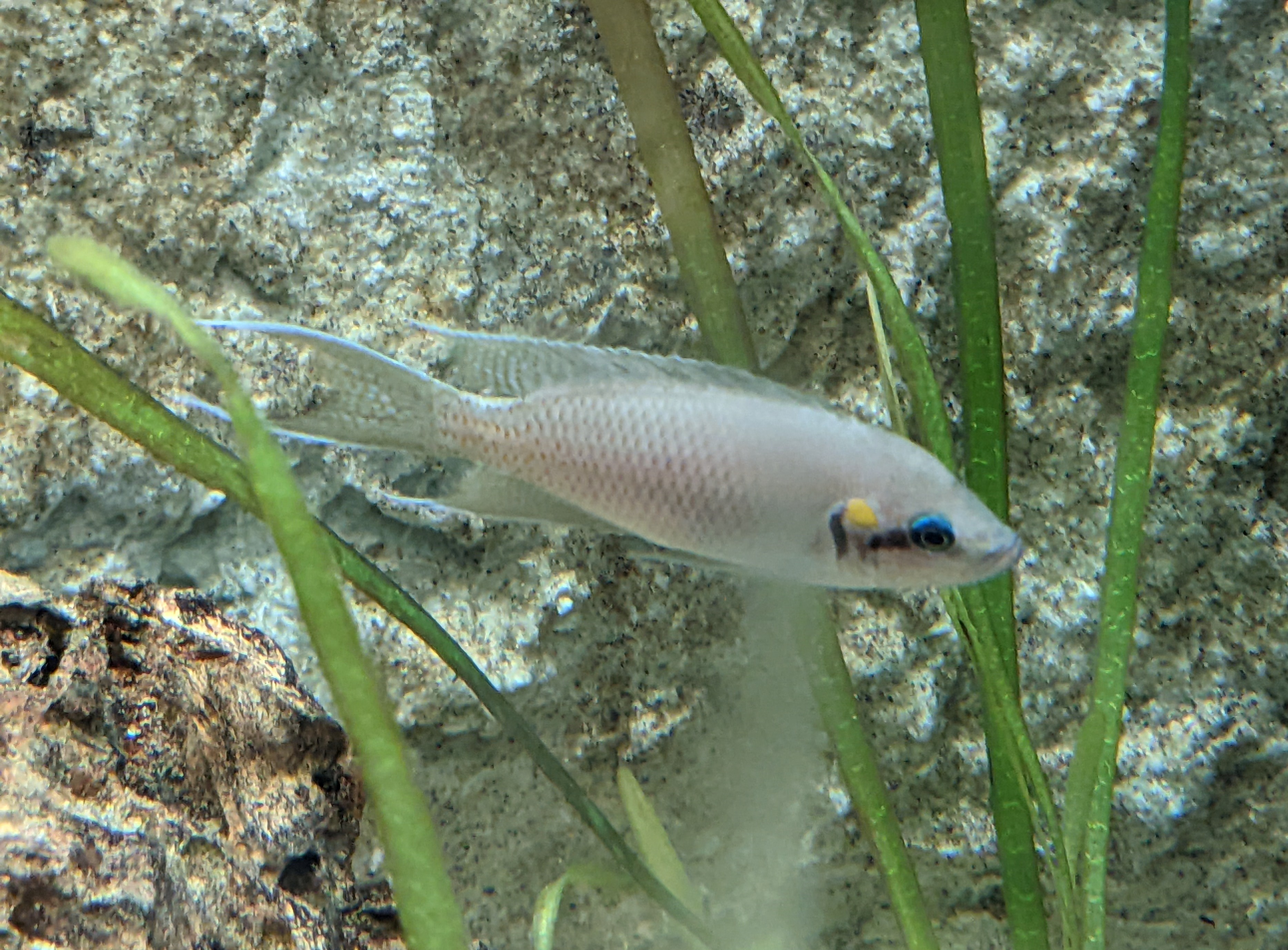
The fairy cichlid is one of those fish that fools people twice. First it fools you with the looks: a slender, tan body, trailing filament fins, a blue-lipped face and a little gold spot behind the eye, all of it delicate and elegant. Then it fools you with the temperament, because Neolamprologus brichardi is a stubborn, territorial fish that will square up to something three times its size and win. I keep them because they suit my hard tap water perfectly and because a colony is genuinely fascinating to watch, but I would never sell one as a gentle community fish. If you have hard, alkaline water and a tank you can give over to a single species, read on. ...
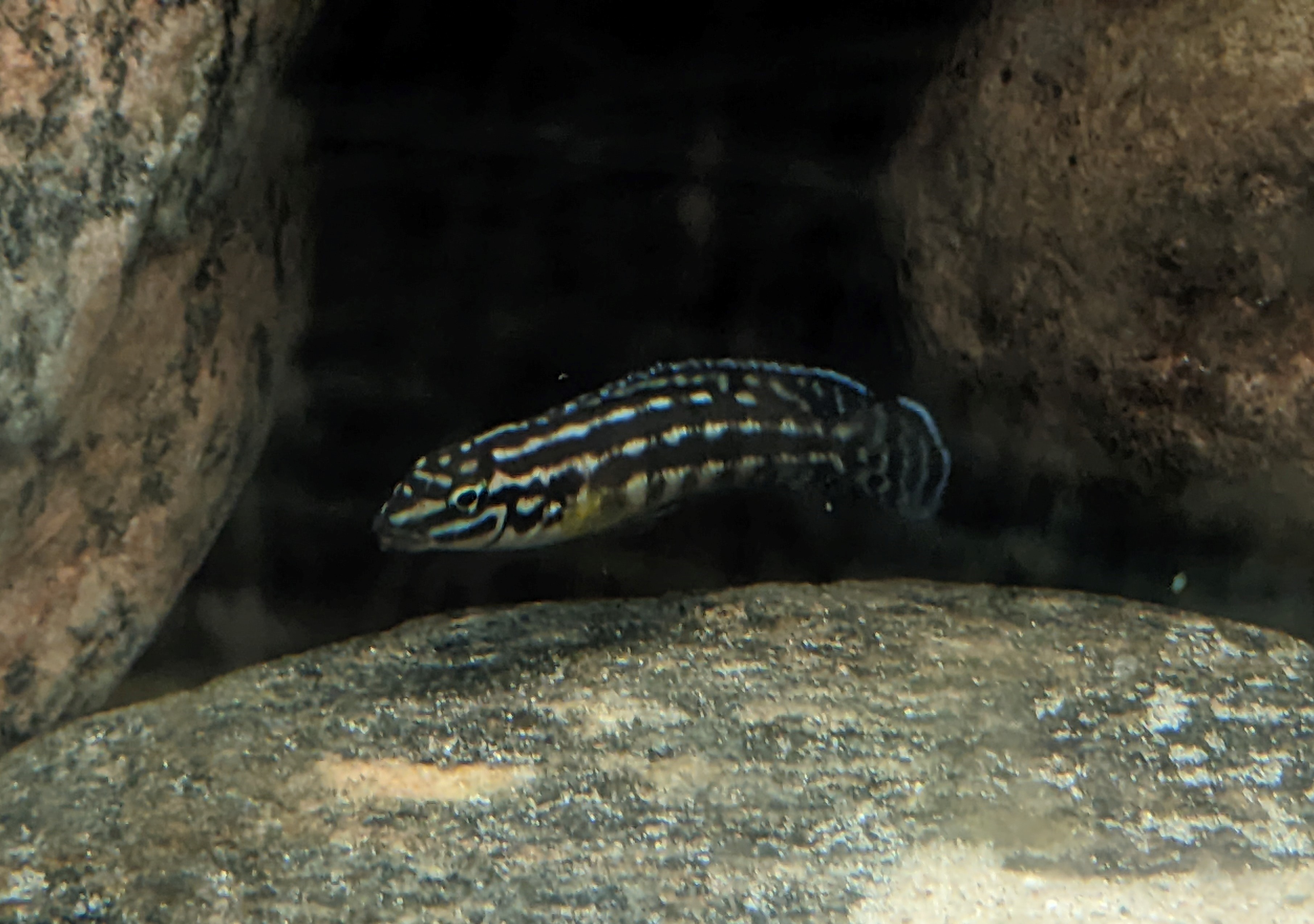
A golden Julidochromis ornatus cichlid resting against rockwork

Julidochromis Care: The Rock-Dwelling Julie for Hard Water

If you have hard, alkaline tap water and you want a cichlid with real character in a tank you can actually fit in a room, a Julie is one of the first fish I would point you at. Julidochromis are slow, deliberate rock-dwellers from Lake Tanganyika, they pair up and defend a patch of rock like a tiny elderly couple, and they thrive in exactly the water that makes soft-water fish miserable. The catch, and there is one, is the pairing. Get that right and a Julie pair will sit happily in a small tank for years. Get it wrong and one fish kills the other. I have watched both happen, so let me save you the second version. ...

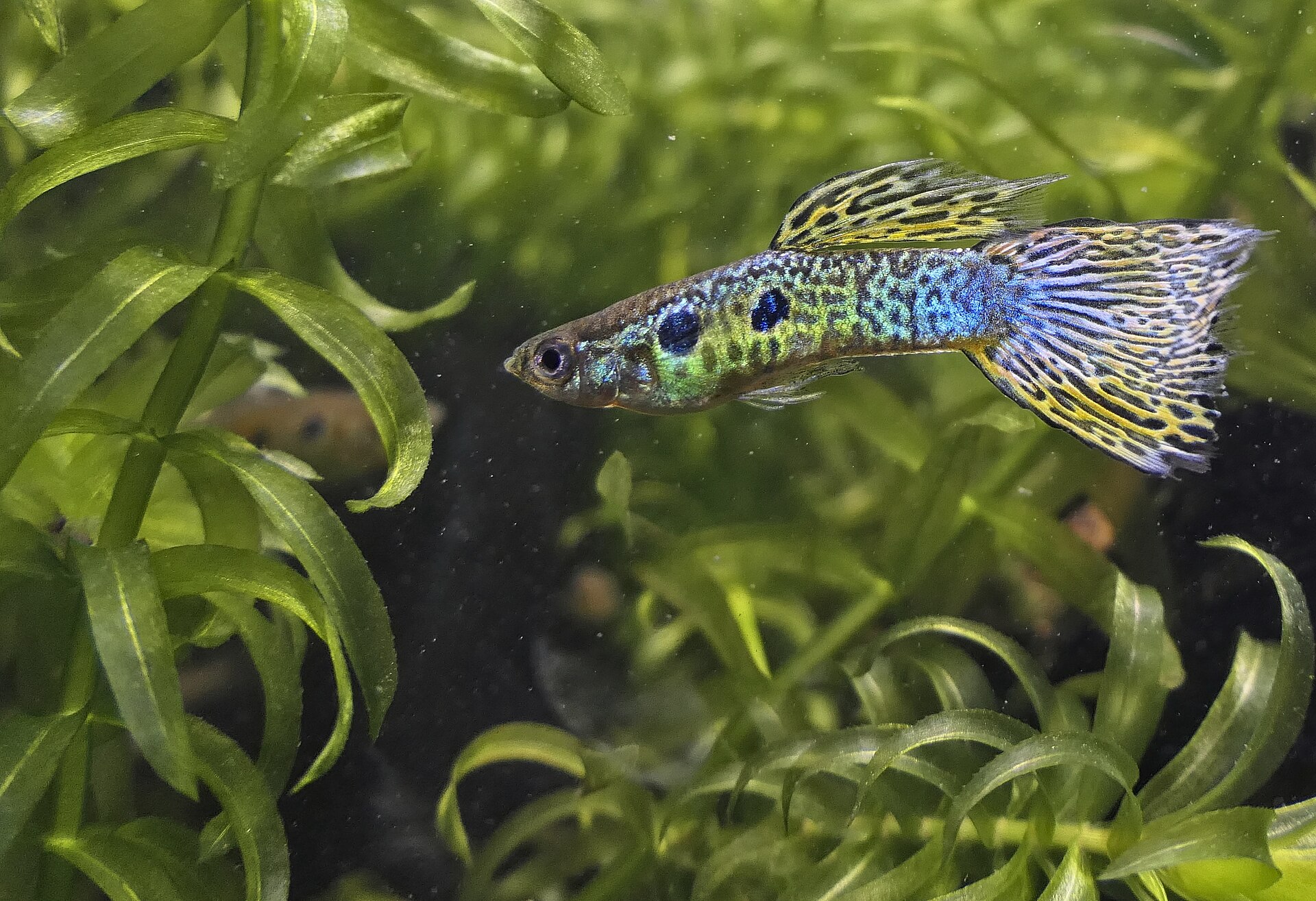
A male cobra-green guppy, Poecilia reticulata, showing its colourful tail

Are Guppies Actually Hardy? An Honest Take

Guppies are hardy in the ways that matter for a beginner, and fragile in a couple of ways nobody warns you about. That is the honest short version. They will forgive a wobbly first month, a slightly late water change and a filter that is not quite up to spec, which is exactly why they earned the reputation. What they will not forgive is soft, mineral-poor water and a tank of sick shop stock, and modern fancy strains are noticeably less bulletproof than the guppies of twenty years ago. I keep livebearers on very hard tap water, and I have watched cheap guppies shrug off things that flattened fussier fish, and I have also watched a batch of pretty fancy ones melt away for no obvious reason. Both things are true. Here is how to tell which guppy you are actually buying. ...

A Neolamprologus multifasciatus shell-dwelling cichlid over aquarium sand

Multies vs Similis: Which Shell-Dweller Should You Start With?

If you are choosing between multies and similis for your first shell-dweller tank, here is the practical steer: get whichever your shop actually has, correctly labelled, because the two are so alike in what they need that the choice barely changes your setup. If both are in front of you, I would nudge a first-timer towards multies, mostly because they are easier to find and a fraction more forgiving. But this is a close-run thing between two lovely little fish, so let me lay out where they actually differ rather than pretend one is plainly better. I keep both on hard tap, and I still catch myself squinting at the glass to tell which tank I am looking at. ...

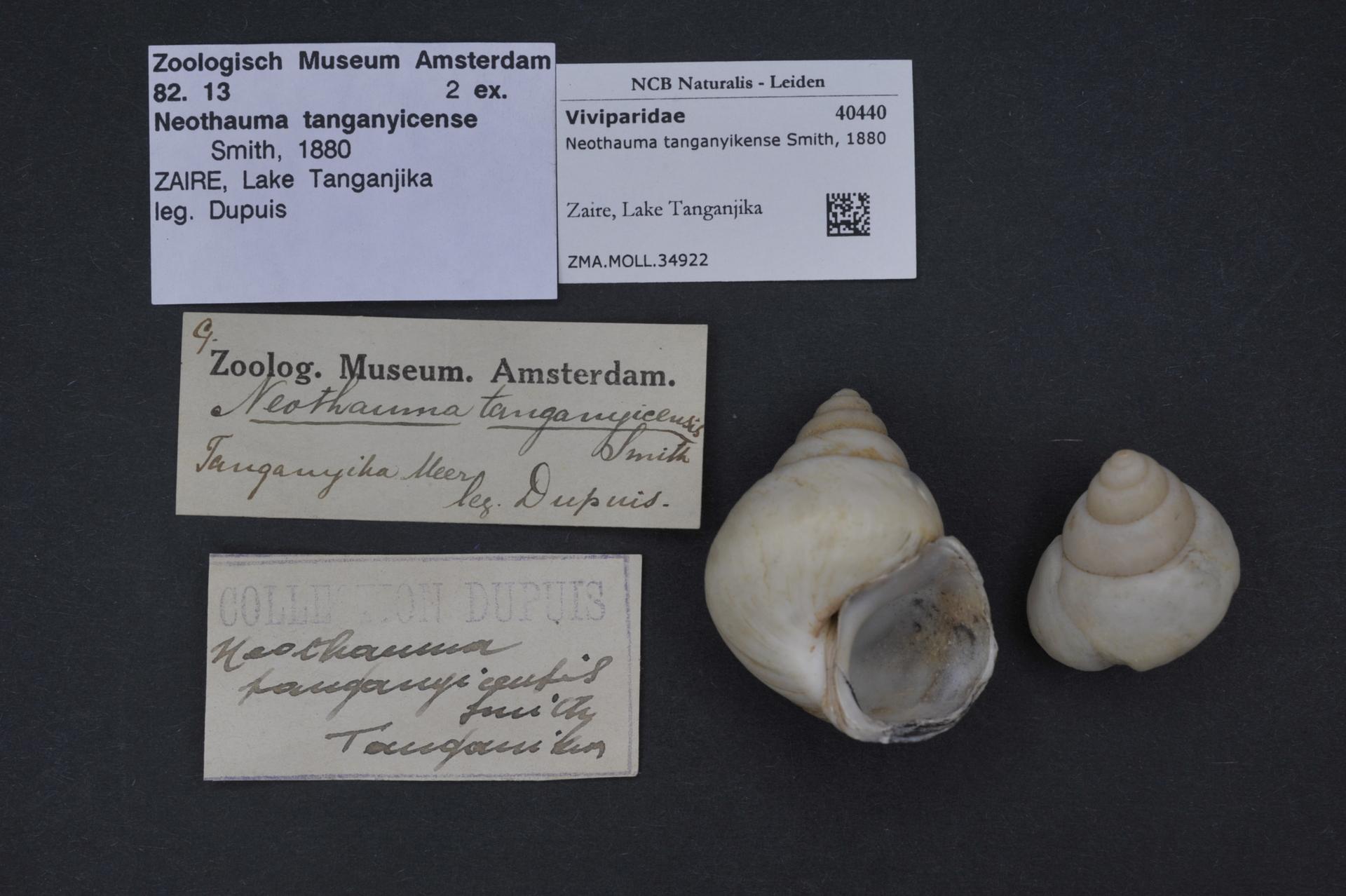
An empty Neothauma tanganyicense snail shell, the natural home of Lake Tanganyika shell-dwelling cichlids

The Best Shells for Shell-Dwelling Cichlids (and How Many)

The short answer is empty escargot shells, and more of them than you think. If you buy a bag of catering-grade escargot shells, boil them, and scatter roughly three or four per fish across the sand, you have already done the single most important thing for a happy shell-dweller colony. Everything else on this page is refinement. I run my multies and similis on very hard tap water in shallow, wide tanks, and after a few years of fiddling with different shells I have landed on a setup that keeps the fighting down and the breeding up. Here is what actually works. ...

A small Tanganyikan shell-dwelling cichlid beside empty snail shells on aquarium sand

What Can Actually Live With Multies? Shell-Dweller Tankmates

The question I get asked most about my multi colony is what else I keep in with it. The honest answer, in the tank I actually run, is nothing. It is a species-only tank on a bathroom shelf, around fifty litres of hard tap water, sand, a heap of escargot shells and a self-running colony of the smallest cichlid in the world. That is not me being unadventurous. It is the conclusion I came to after thinking hard about what a tankmate is really for, and what it costs the colony to have one. ...

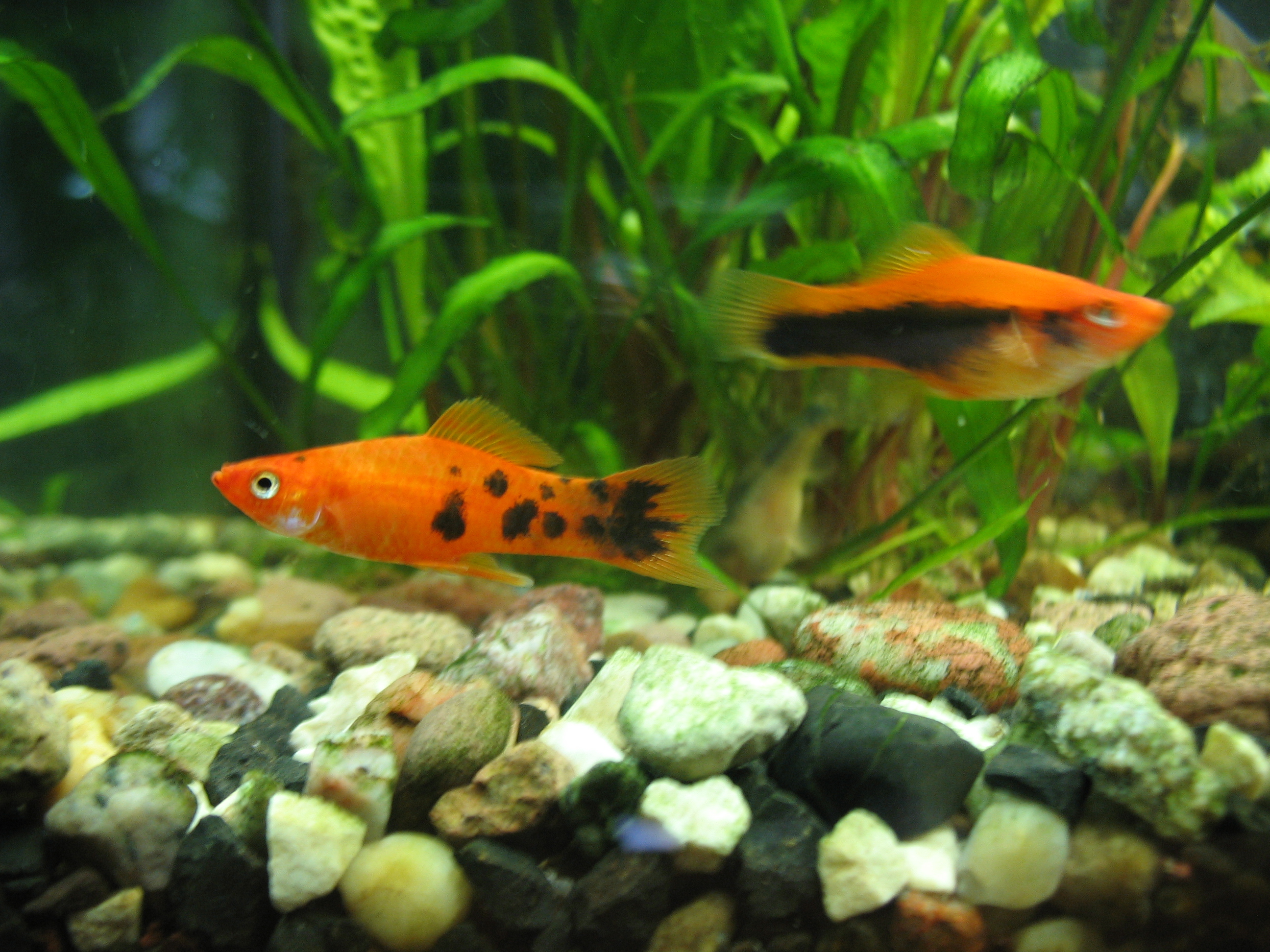
A male and female swordtail, the male showing the long sword extending from his tail

Swordtail Care: A Hardy Livebearer That Loves Hard Water

Swordtails were one of the first fish I kept that felt like they had actual personalities. Where a shoal of tetras drifts around as a single nervous cloud, a group of swordtails will stake out territory, chase each other about, and come barrelling to the front glass the second you walk past. The males carry that unmistakable sword trailing from the bottom of the tail, and a mature red male against a dark background is a genuinely striking thing. Best of all for anyone reading this site, they want exactly the water that comes out of my tap. If you keep hard alkaline water and you want something with a bit more presence than a guppy, swordtails deserve a serious look. Here is how I keep mine. ...

A male Endler's livebearer showing bright orange and metallic green markings

Endler's Livebearer Care: A Tiny Fish Built for Hard Water

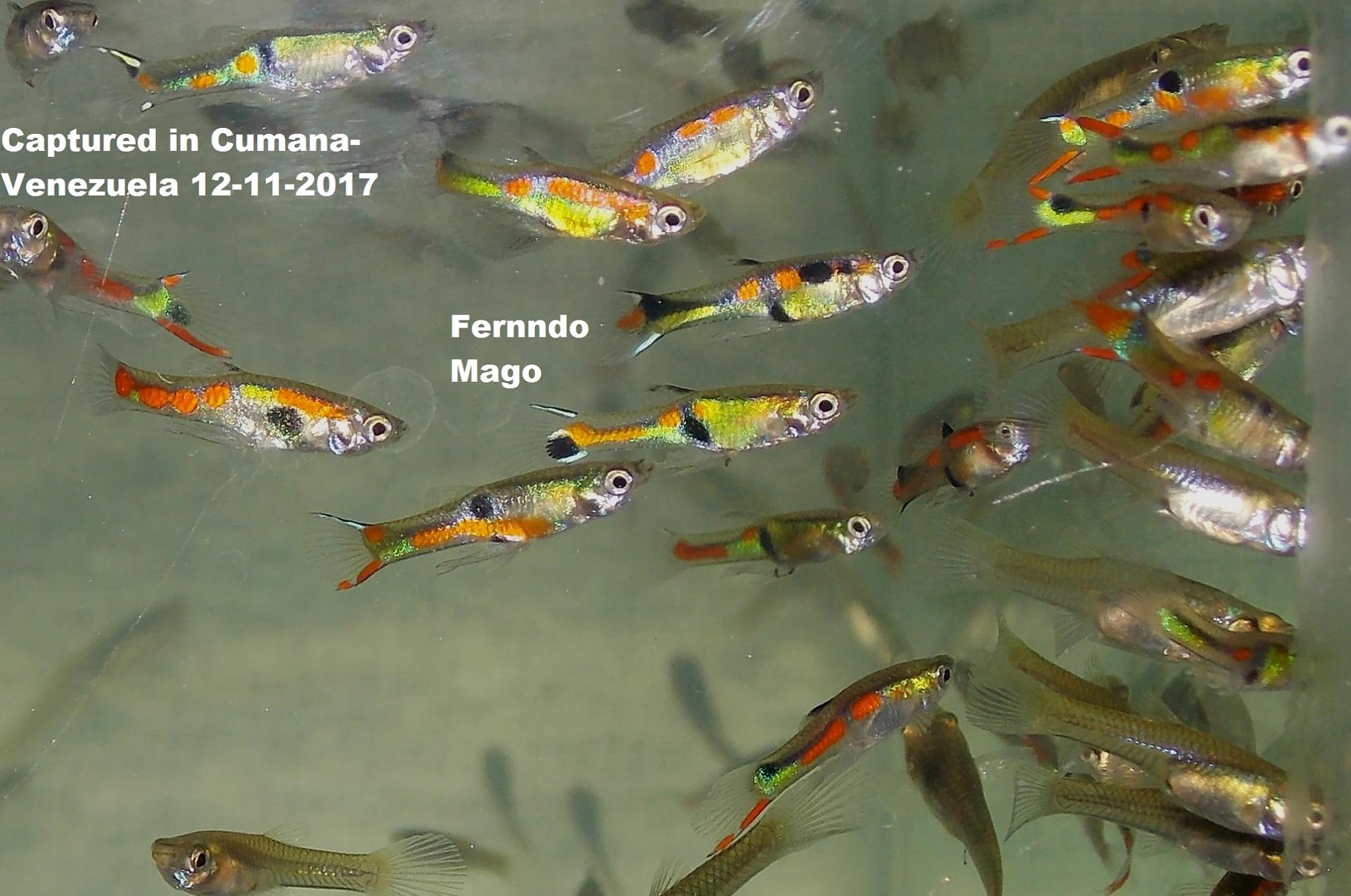
If you keep hard tap water and you want a splash of colour that will not sulk in it, Endler’s livebearers are one of the best small fish you can buy. I picked up my first group almost by accident, a handful of unlabelled males in a bag from a local keeper, and they turned a quiet 40 litre into something that stopped visitors mid-sentence. The males look like someone dipped a guppy in metallic paint and then shrank it. They are cheap, hardy, endlessly active, and they thrive in exactly the water that makes soft-water darlings like cardinal tetras miserable. This is how I keep them, what they actually need, and the one habit that will save you a lot of grief later. ...

A small striped Tanganyikan shell-dwelling cichlid over sand

Neolamprologus similis: Care and Breeding for the Striped Shell-Dweller

If you have hard, alkaline tap water and you want a tiny cichlid that runs its own colony in a small tank, Neolamprologus similis deserves a place on your shortlist right next to its famous cousin. Similis is a shell-dwelling Tanganyikan, one of the smallest cichlids kept in the hobby, and it does everything the better-known multifasciatus does: it digs, it defends a shell, it breeds inside it and it builds a little society across the tank floor. The main practical difference is the look and the temperament, and both, to my eye, come out slightly in favour of similis. This is the species profile: what it is, how it differs from the multi, and how to keep and breed a colony in water like mine. ...

Shoal of striped zebra danios swimming together in an aquarium

Zebra Danio Care: The Tireless Little Fish That Handles Hard Water

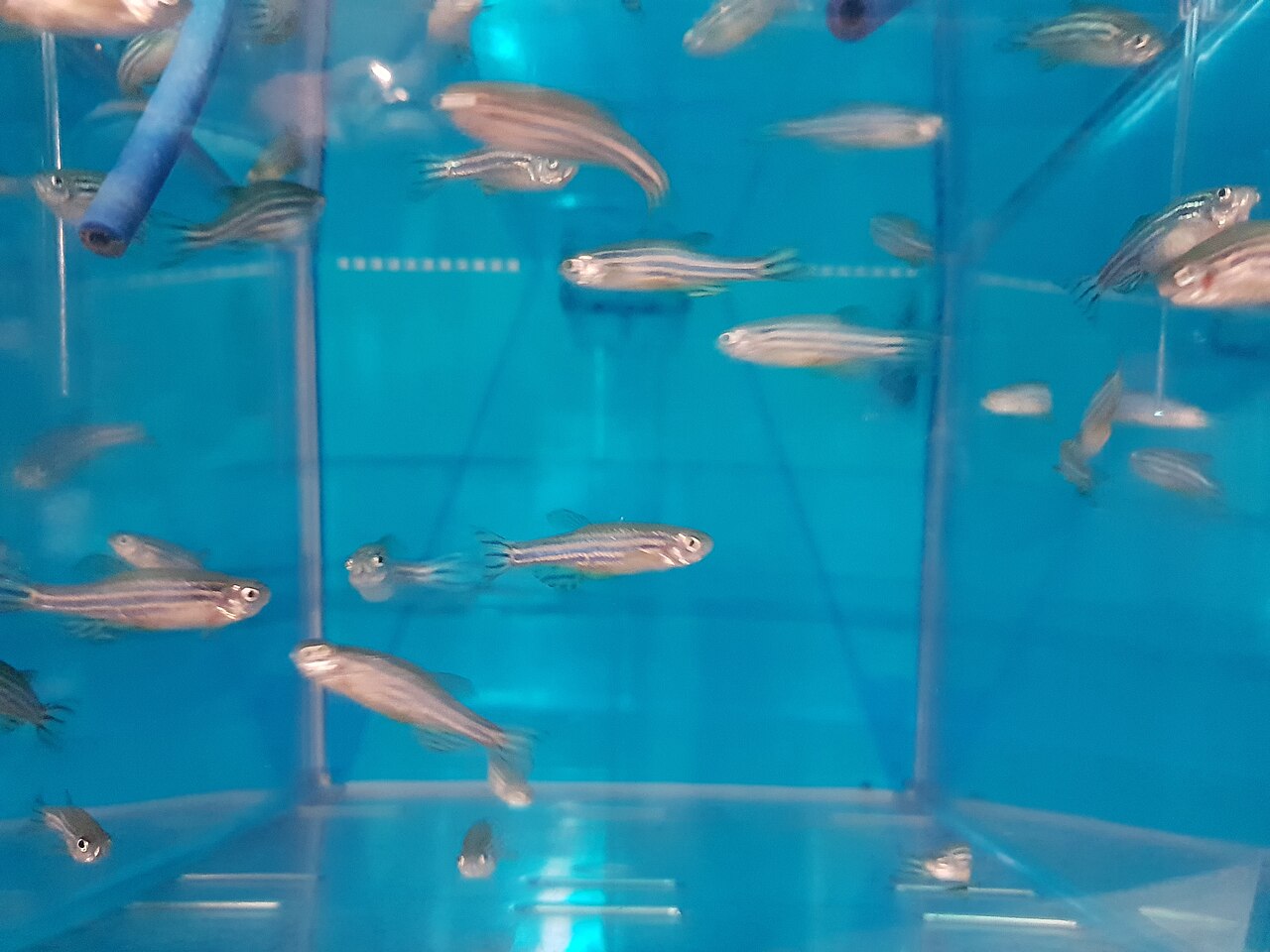
Some fish demand careful water and a gentle hand. The zebra danio is not one of them. It is a small, striped, endlessly busy little thing that behaves as though it has drunk far too much coffee, and it is about as forgiving a fish as exists in the hobby. If you have hard tap water and want a lively shoal that adds movement to the upper half of a tank, danios deserve a serious look. I have kept them as a dither shoal in community tanks for years, and they have shrugged off conditions that would have finished more delicate species. ...