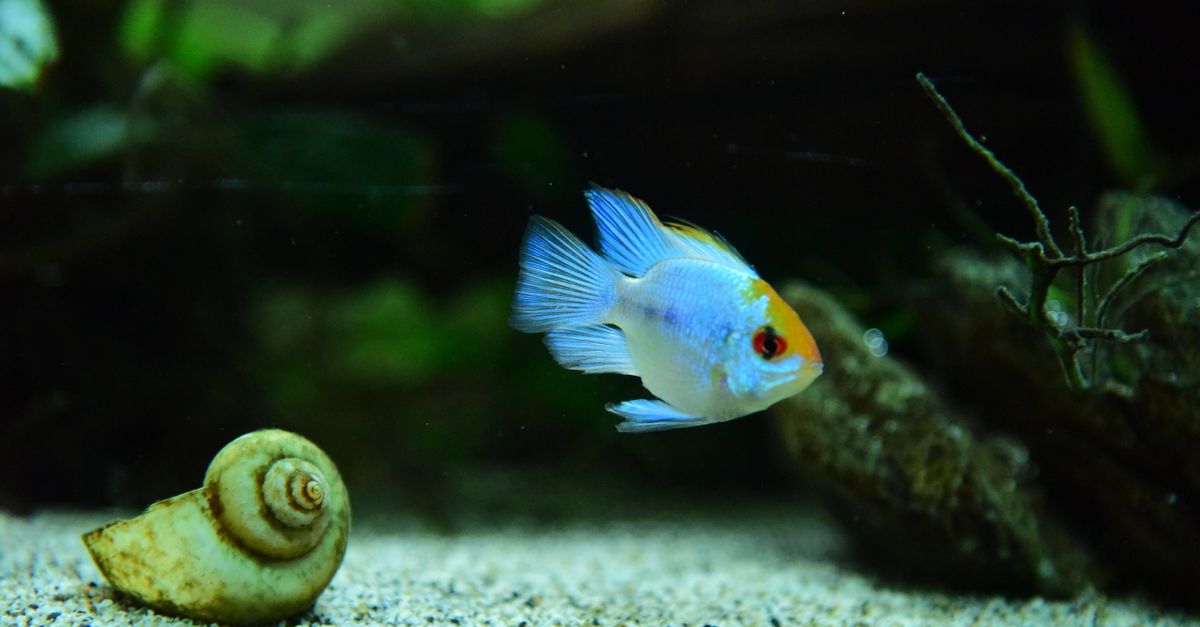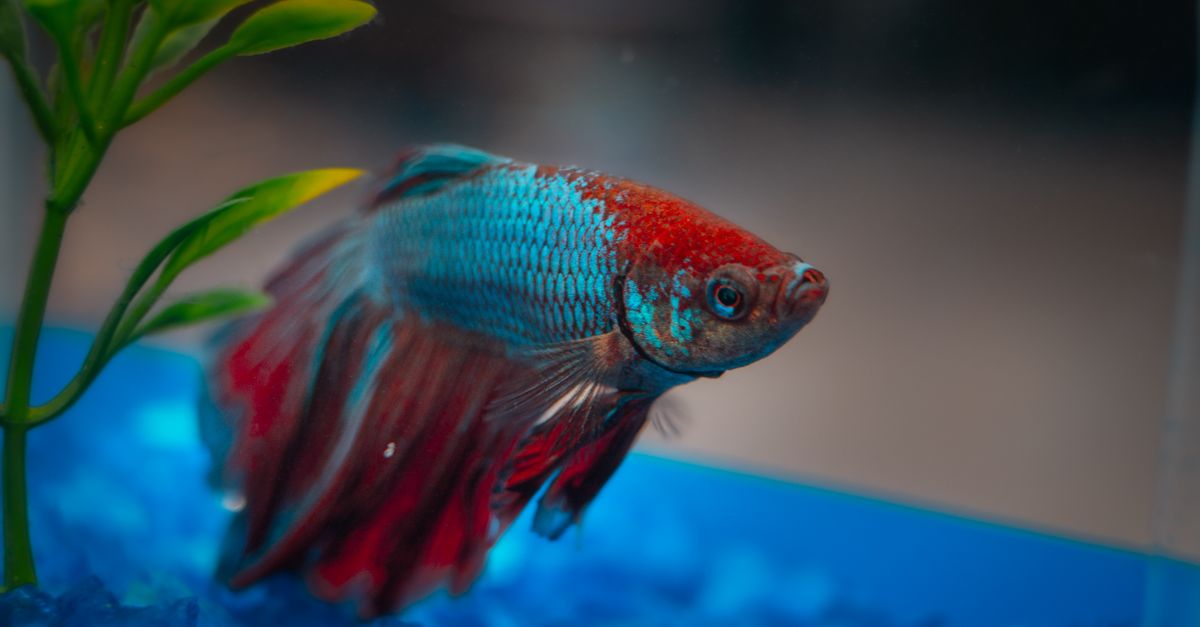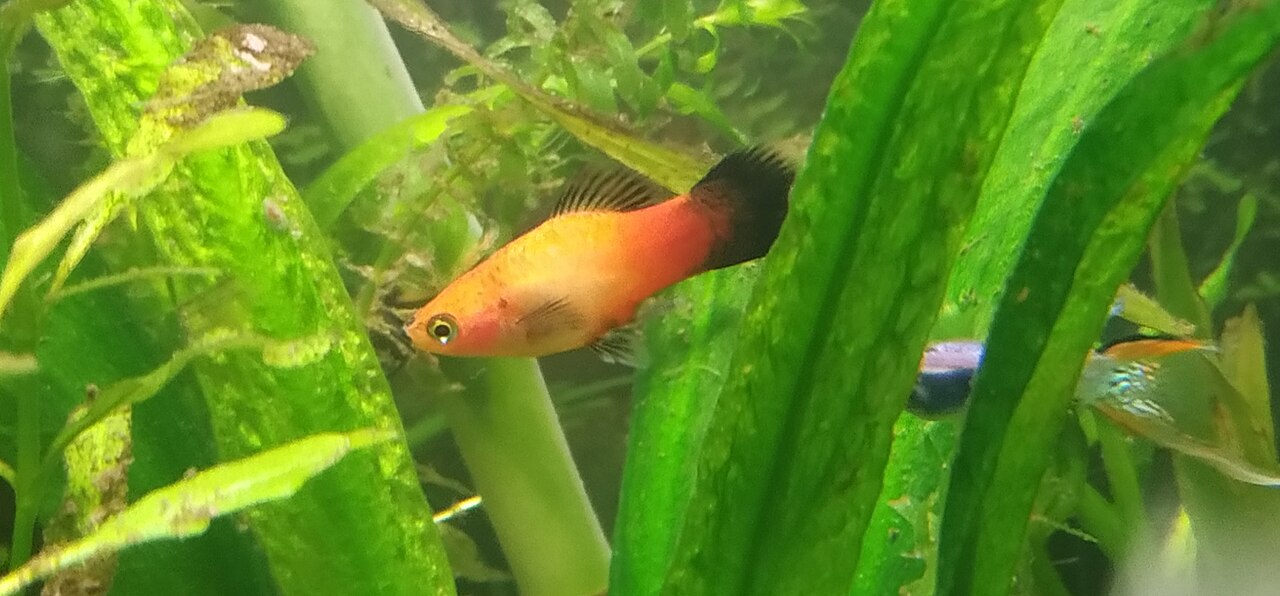
Colourful platy fish swimming in a planted aquarium

Platy Care: A Hardy Livebearer Built for Hard Water

If you have hard, alkaline tap water and you want a fish that looks like a boiled sweet and behaves like it has somewhere to be, the platy is hard to beat. It sits alongside the guppy as one of the two livebearers I recommend most often to people starting out with water like mine, and in some ways I prefer it. Platies are a touch chunkier, a little calmer, and they come in colours that seem almost unreasonable for a fish you can buy for the price of a coffee. I have kept them for years, usually as the middle layer of a community tank, and they ask for very little in return. ...
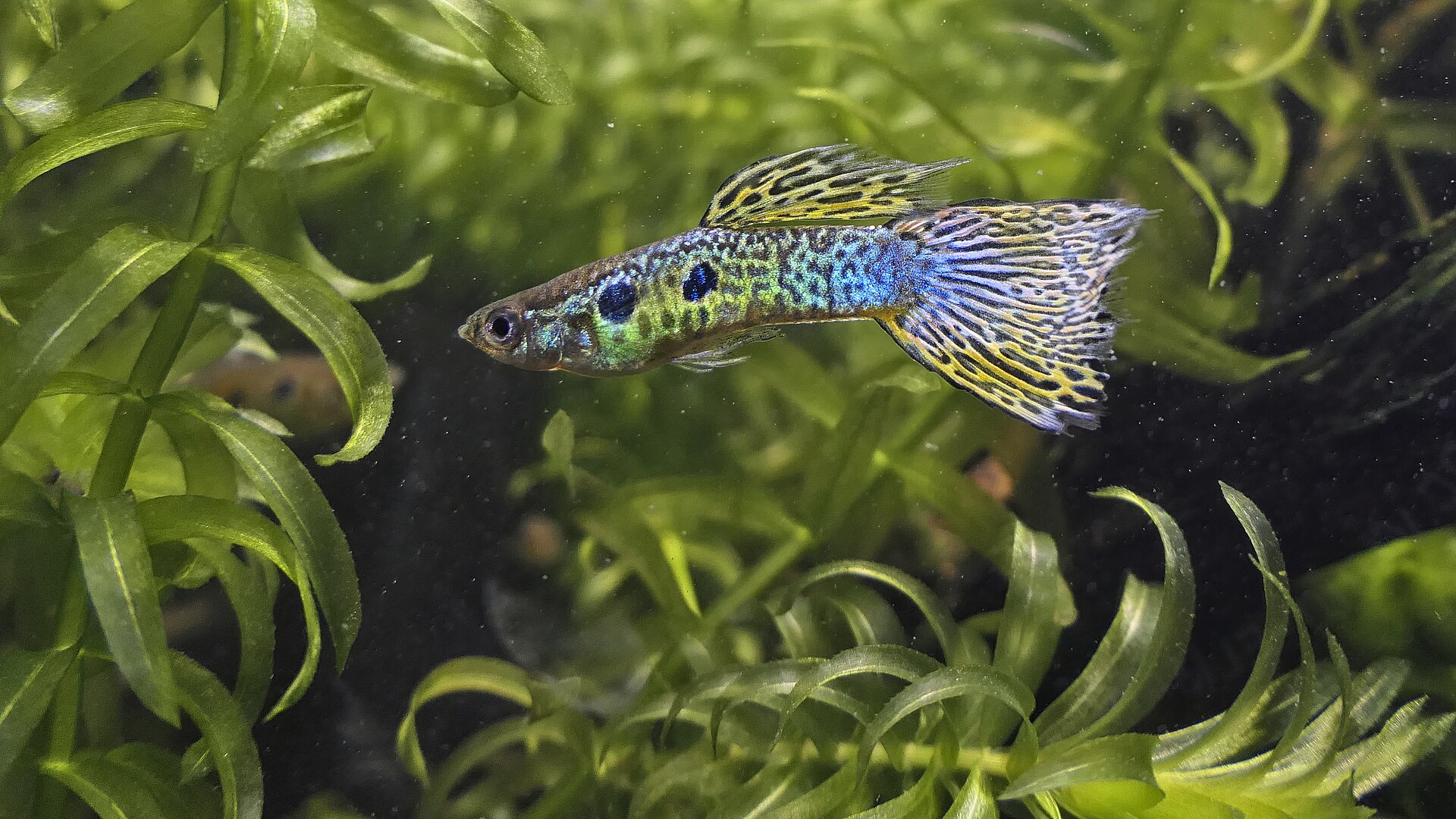
Male guppy showing bright cobra-green colouration

Guppy Care: The Livebearer That Loves Hard Water

If you have hard, alkaline tap water and you want a small, colourful fish that will not just tolerate it but genuinely prefer it, guppies are one of the easiest recommendations I can make. Poecilia reticulata is the fish that got most of us into the hobby, and there is a good reason it keeps turning up in beginner tanks: it is tough, it breeds without any encouragement, and the males look like someone spilled paint. I have kept them on and off for years, and the tank in my kitchen has run more or less on autopilot for the last two. ...

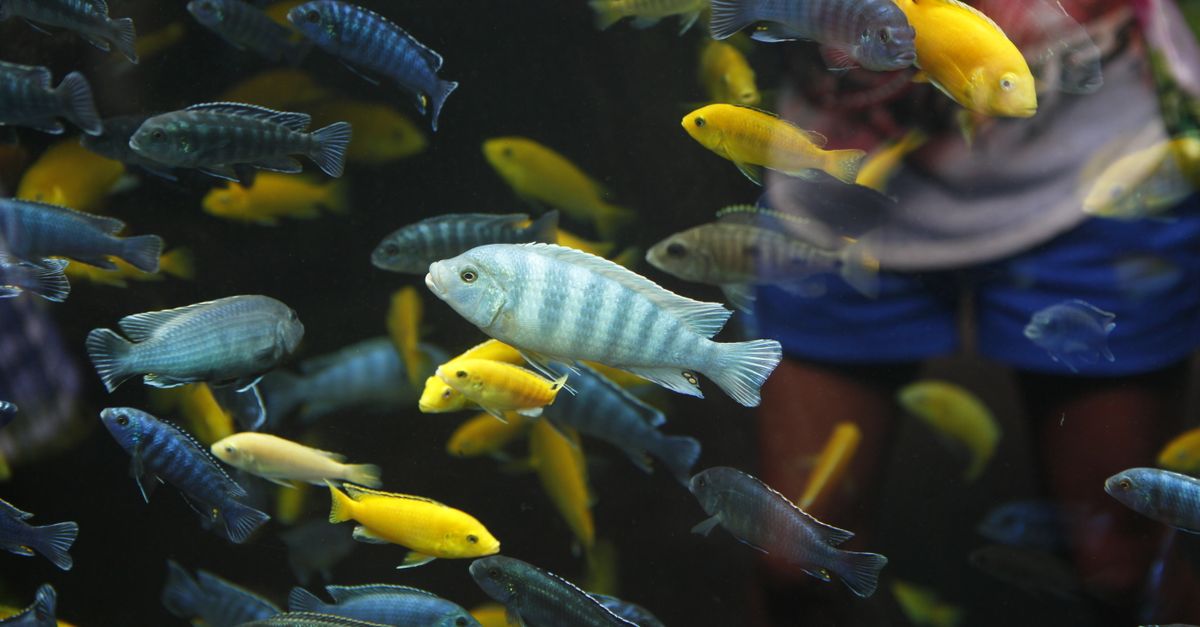
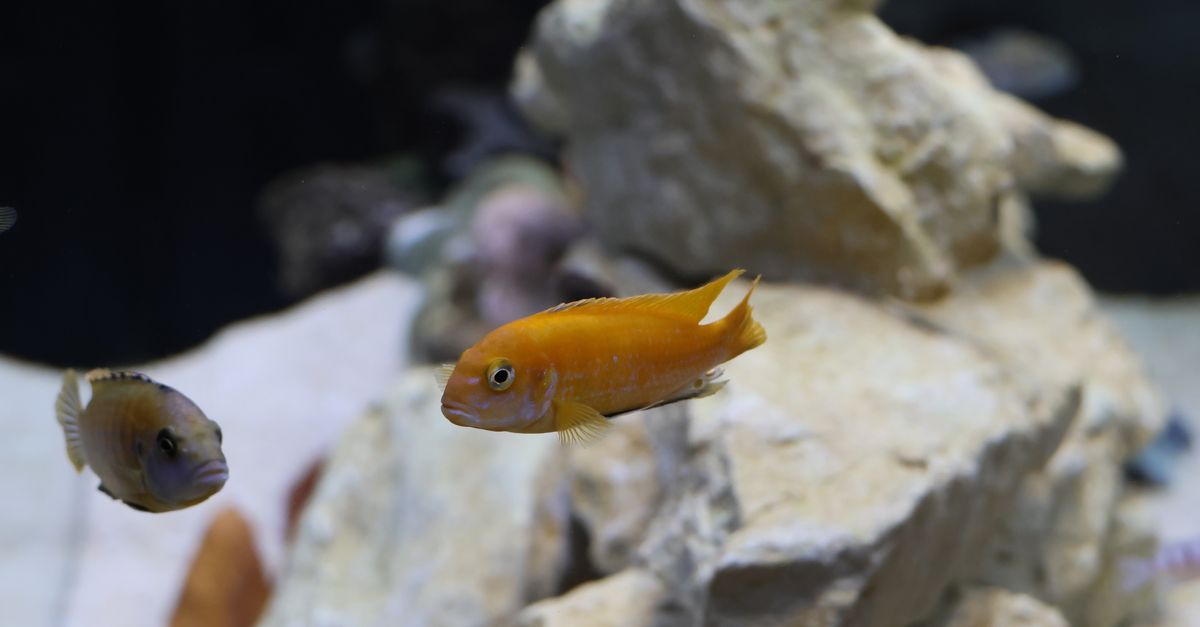
African Rift Lake cichlids among pale rocks in a freshwater aquarium

How to Set Up a Shell-Dweller Tank: My Hard-Water Shellie Colony

The tank I look at most often is not my biggest or my prettiest. It is a low, wide box sitting on a shelf in the bathroom, holding maybe fifty litres of very hard water and a floor covered in empty snail shells. Inside it, a colony of the smallest cichlid in the world runs its own affairs with almost no help from me. These are shell-dwelling cichlids, Neolamprologus multifasciatus, and after several years of keeping them I am still not bored of watching. This is the practical account of how I keep the colony, what my hard tap water does for it, and the handful of things I got wrong before I got them right. If you want the full species profile, I have written one already on Neolamprologus multifasciatus; this piece is the lived version, the day to day of actually running a shellie tank. ...

Neolamprologus multifasciatus shell-dweller

Neolamprologus multifasciatus: Keeping and Breeding the Smallest Cichlid

The colony in my bathroom tank started as six fish. Nobody asked my permission for what happened next, and that is rather the point of Neolamprologus multifasciatus. These are shell-dwelling cichlids from Lake Tanganyika, usually just called multies, and they hold a genuine claim to being the smallest cichlid in the world. A big male is 4 to 5 cm, females noticeably smaller, and yet they carry all the character of their much larger relatives. They dig, they squabble, they defend, they raise young, and they do it all in a tank that fits on a sturdy shelf. If you have hard, alkaline tap water and you want your first taste of Tanganyikan cichlids without a 300 litre commitment, I honestly cannot think of a better fish. ...

A snail in a planted aquarium

Snails in the Aquarium: Pest, Ally, or Both

Few things divide fishkeepers like snails. Half the hobby buys them on purpose and the other half is on a forum at midnight asking how to exterminate them. I am firmly in the first camp these days, but I got there the usual way, through the second. Every tank in my fishroom has snails in it, most of them uninvited, and the tanks are better for it. The trick is understanding what a snail population is actually telling you, because a snail boom is a message about your tank, and killing the messenger has never once fixed the message. ...

A cichlid in an aquarium

Kribensis: A Hardy, Colourful First Cichlid

If you want to keep a cichlid that behaves like a cichlid, guarding a cave, herding a cloud of fry across the tank, flaring at anything that comes near, without needing a huge tank or fancy water, the kribensis is the classic answer and it still holds up. Pelvicachromis pulcher is a West African dwarf cichlid from the rivers and drainage ditches of southern Nigeria and Cameroon, farmed in vast numbers for the hobby, and forgiving of almost everything a beginner will throw at it. The female’s cherry-red belly, which brightens rather than fades when she is ready to spawn, is one of the best colours available in an easy fish. ...

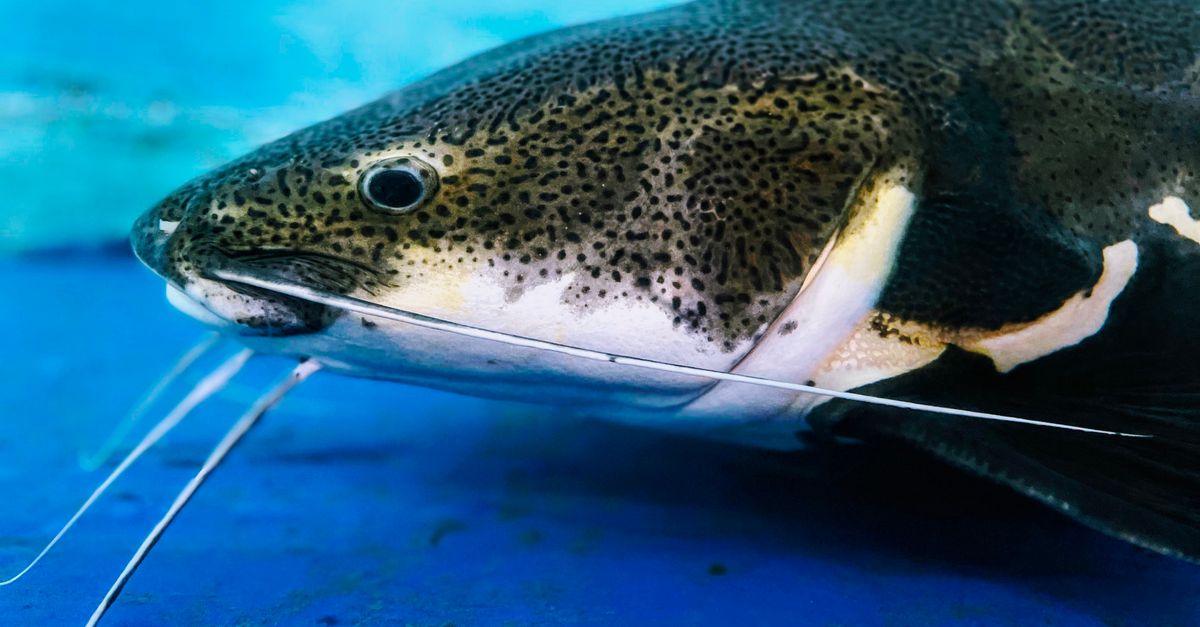
A catfish in an aquarium

Bristlenose Pleco: The Algae Eater Worth Keeping

Ask in a shop for an algae eater and you will usually be pointed at a pleco. The trouble is that “pleco” covers everything from a 10 cm cave-dweller to a half-metre monster, and the cheap ones on the bottom shelf are very often the monster. The bristlenose pleco, sold as Ancistrus sp. or Ancistrus cf. cirrhosus, is the one that actually belongs in an ordinary home aquarium. Mine spend their days rasping the glass and the wood, spawn in caves without being asked, and have never outgrown their welcome. If a suckermouth catfish is going in your tank, make it this one. ...

A colourful betta fish

Betta Care: Giving a Siamese Fighting Fish a Proper Home

The betta, Betta splendens, is probably the most mistreated fish in the hobby, and not out of malice. Shops sell them in cups, the internet is full of vase setups, and the myth persists that because wild bettas live in puddles, a jar on a shelf is fine. Wild bettas live in rice paddies, marshes and slow floodplains, which are shallow but enormous, warm all year and full of cover. The puddle story comes from the dry season, when getting trapped in one is the worst thing that can happen to a betta, not its preferred address. I keep bettas on my desk in proper heated, filtered tubs, and the difference between a betta in decent conditions and one in a bowl is the difference between an active, curious, flaring fish and a listless one clamped in a corner. ...

A red cherry shrimp in an aquarium

Cherry Shrimp: Care, Breeding and Why Hard Water Suits Them

Cherry shrimp were one of the best additions I ever made to my fishroom, and one of the cheapest per animal once the colony got going. Neocaridina davidi, to give them their proper name, are small dwarf shrimp from Taiwan that have been selectively bred into red, orange, yellow, blue and near-black lines. Buy ten, look after them, and within a year you can have hundreds without doing anything clever. In my very hard tap water, around 22 to 23 dGH, they do not merely survive. They moult cleanly, colour up well and breed constantly. If your water is hard and you have been told it limits you, shrimp are one of the animals it actively favours. ...