A betta with ragged, receding fins showing signs of fin rot

Fin Rot: What Causes It and How to Actually Fix It

Ragged fins are one of the first things a new keeper panics about, and fin rot is usually the diagnosis they land on, sometimes rightly. I have dealt with it more times than I would like, mostly in my early years when my water changes were casual and my tanks were more crowded than they should have been. The good news is that fin rot is rarely a death sentence and almost never a mystery. It follows poor conditions the way damp follows a leaking roof, and once you understand that, the fix stops being about chasing a magic bottle and starts being about the water. This is how I recognise it, treat it, and keep it from coming back. ...

July 29, 2026 · 7 min
A male Endler's livebearer showing bright orange and metallic green markings

Endler's Livebearer Care: A Tiny Fish Built for Hard Water

If you keep hard tap water and you want a splash of colour that will not sulk in it, Endler’s livebearers are one of the best small fish you can buy. I picked up my first group almost by accident, a handful of unlabelled males in a bag from a local keeper, and they turned a quiet 40 litre into something that stopped visitors mid-sentence. The males look like someone dipped a guppy in metallic paint and then shrank it. They are cheap, hardy, endlessly active, and they thrive in exactly the water that makes soft-water darlings like cardinal tetras miserable. This is how I keep them, what they actually need, and the one habit that will save you a lot of grief later. ...

July 29, 2026 · 7 min
A zebra nerite snail grazing on aquarium glass

Nerite Snail Care: The Algae Eater Built for Hard Water

Of all the clean-up animals I have kept, the nerite snail is the one I recommend without hesitation, and it happens to be a perfect match for hard tap water. Most freshwater snails simply tolerate the minerals in hard water; the nerite depends on them. Those minerals are what keeps its shell hard and smooth, so the very water that troubles soft-water fish keepers is a gift to nerite keepers. If you have algae on your glass and hard water in your tap, this little snail is about as close to a purpose-built solution as the hobby offers. ...

July 26, 2026 · 7 min
A chocolate molly swimming in a planted aquarium

Molly Fish Care: A Livebearer That Loves Hard Water

If your tap water is hard and alkaline, and a lot of ours is, the molly is close to the ideal fish. Most of the popular community species were bred for softer, more acidic water and only tolerate what comes out of my tap; the molly actively wants it. Warm, mineral-rich, slightly alkaline water is exactly the environment these fish evolved in, so for once the water that fights you with tetras and rasboras is working in your favour. Here is how I keep mine, and where people go wrong with them. ...

July 26, 2026 · 7 min
A cherry shrimp grazing in a planted aquarium

What Is the Ideal GH for Shrimp?

The ideal GH depends on the shrimp: Neocaridina, the common cherry shrimp and their colour forms, want a GH of roughly 6 to 12 dGH, while Caridina, the crystal reds and bee shrimp, want it far softer at around 4 to 6 dGH. GH matters more to shrimp than almost any other reading, because shrimp build a fresh calcium-rich exoskeleton every time they moult, and the water is where that calcium comes from. ...

July 23, 2026 · 2 min
An aquarium heater and thermometer in a tank

What Size Aquarium Heater Do I Need? (Watts per Litre)

For most tropical tanks in a normally heated room, size an aquarium heater at roughly 1 to 1.5 watts per litre. A 60 litre tank wants somewhere around a 75 watt heater, and a 100 litre tank a 100 to 150 watt one. That guide keeps the water at a stable tropical temperature without a heater that runs flat out or one that never keeps up. When to go higher than the rule The watts-per-litre rule assumes the tank sits in a room that stays reasonably warm. Push the wattage up towards the higher end, or beyond it, if any of these apply: ...

July 23, 2026 · 2 min
Testing the pH of aquarium water

What pH Should a Community Tank Be?

A general community tank is happiest at a stable pH anywhere between 6.5 and 8, and holding that number steady matters far more than hitting any exact figure. Almost every fish sold for a community aquarium is farm-bred and many generations removed from the wild, so it adapts comfortably to a wide band of pH as long as the water does not lurch about. A rock-steady 7.8 is far better for a shop-bought tetra than a tank that swings between 6.5 and 7.5 because someone keeps dosing it. ...

July 23, 2026 · 3 min
A betta fish in a planted freshwater aquarium

Betta Tank Setup: Building the Right Home for a Siamese Fighting Fish

If you want to set up a tank for a betta properly, here is the whole thing in one sentence: a heated, filtered, cycled aquarium of around twenty litres or more, with a lid, live or silk plants and gentle flow. Everything below is the detail behind that sentence, in the order you actually do it. This is a setup guide, the shopping list and the build, rather than a care guide. I have written the day-to-day feeding, fin health and behaviour side separately in betta care; this piece gets the tank right in the first place, because a good setup prevents most of the problems the care guide then has to solve. ...

July 23, 2026 · 7 min
Planted freshwater aquarium with clear water

GH and KH Explained: What Aquarium Water Hardness Actually Means

Water hardness is the part of fishkeeping that sends more beginners into a spin than anything else, and most of the panic comes from muddling two numbers that are not the same thing. GH and KH sit on every test strip, get written into every care sheet, and yet almost nobody explains what they actually measure or which one your fish care about. So here it is, without the fog. GH is the mineral content your fish feel through their bodies. KH is the buffer that keeps your pH steady. They move independently, they do different jobs, and once you can read both, water chemistry stops being a mystery and becomes one of the most useful tools you own. ...

July 23, 2026 · 8 min
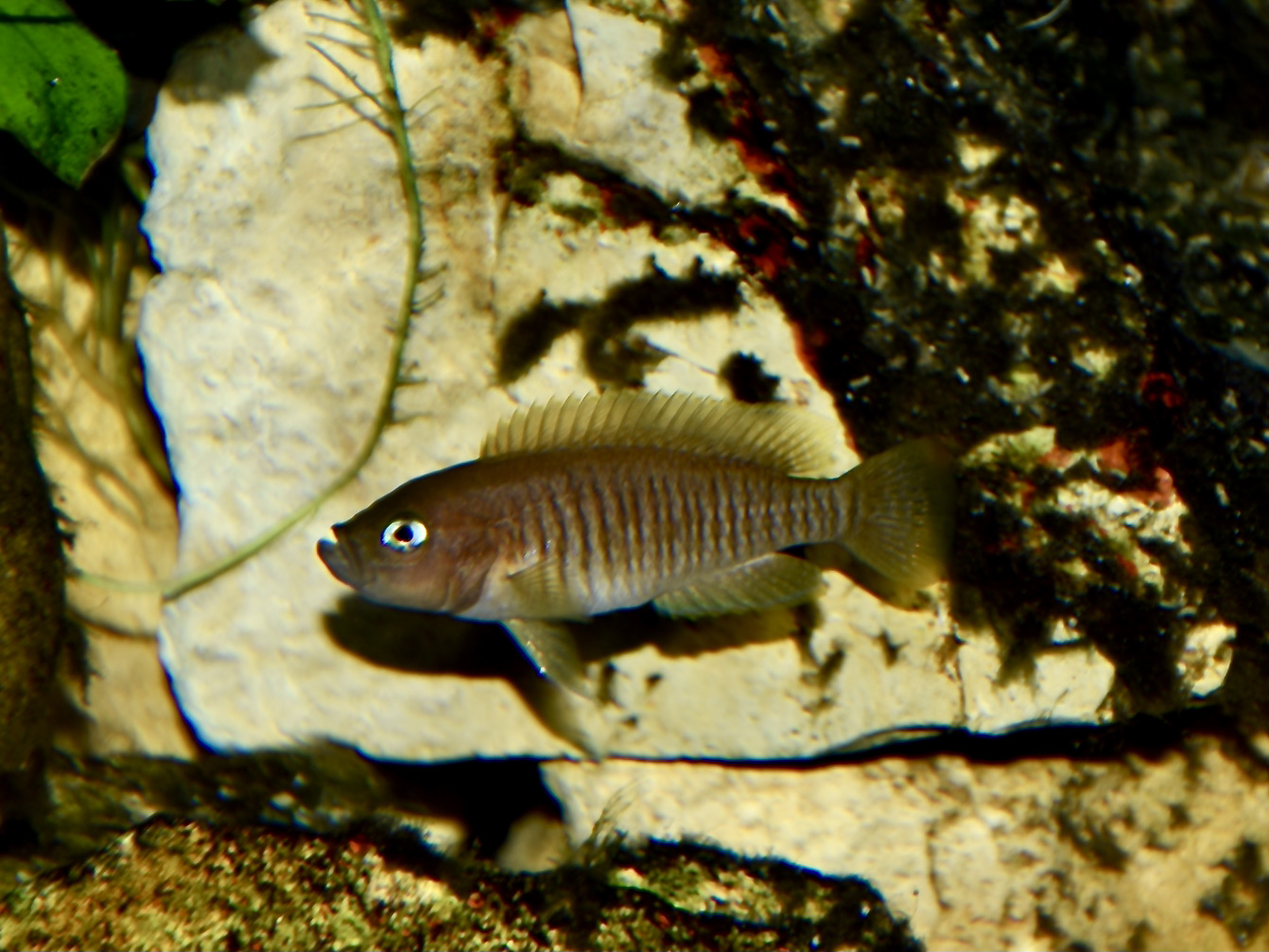
A small striped Tanganyikan shell-dwelling cichlid over sand

Neolamprologus similis: Care and Breeding for the Striped Shell-Dweller

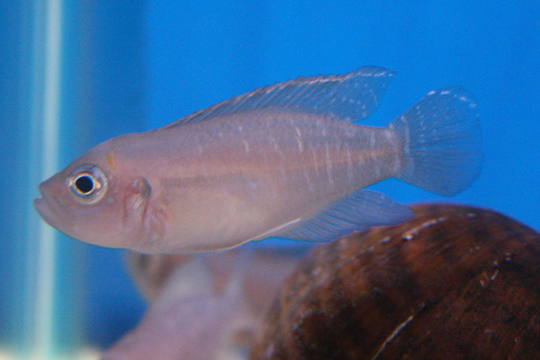
If you have hard, alkaline tap water and you want a tiny cichlid that runs its own colony in a small tank, Neolamprologus similis deserves a place on your shortlist right next to its famous cousin. Similis is a shell-dwelling Tanganyikan, one of the smallest cichlids kept in the hobby, and it does everything the better-known multifasciatus does: it digs, it defends a shell, it breeds inside it and it builds a little society across the tank floor. The main practical difference is the look and the temperament, and both, to my eye, come out slightly in favour of similis. This is the species profile: what it is, how it differs from the multi, and how to keep and breed a colony in water like mine. ...

July 23, 2026 · 8 min