Practical freshwater aquarium keeping, written from a working fishroom. Cycling, water chemistry, hard-water species and honest, experience-first advice.
Limescale and White Residue: Living With a Hard-Water Aquarium
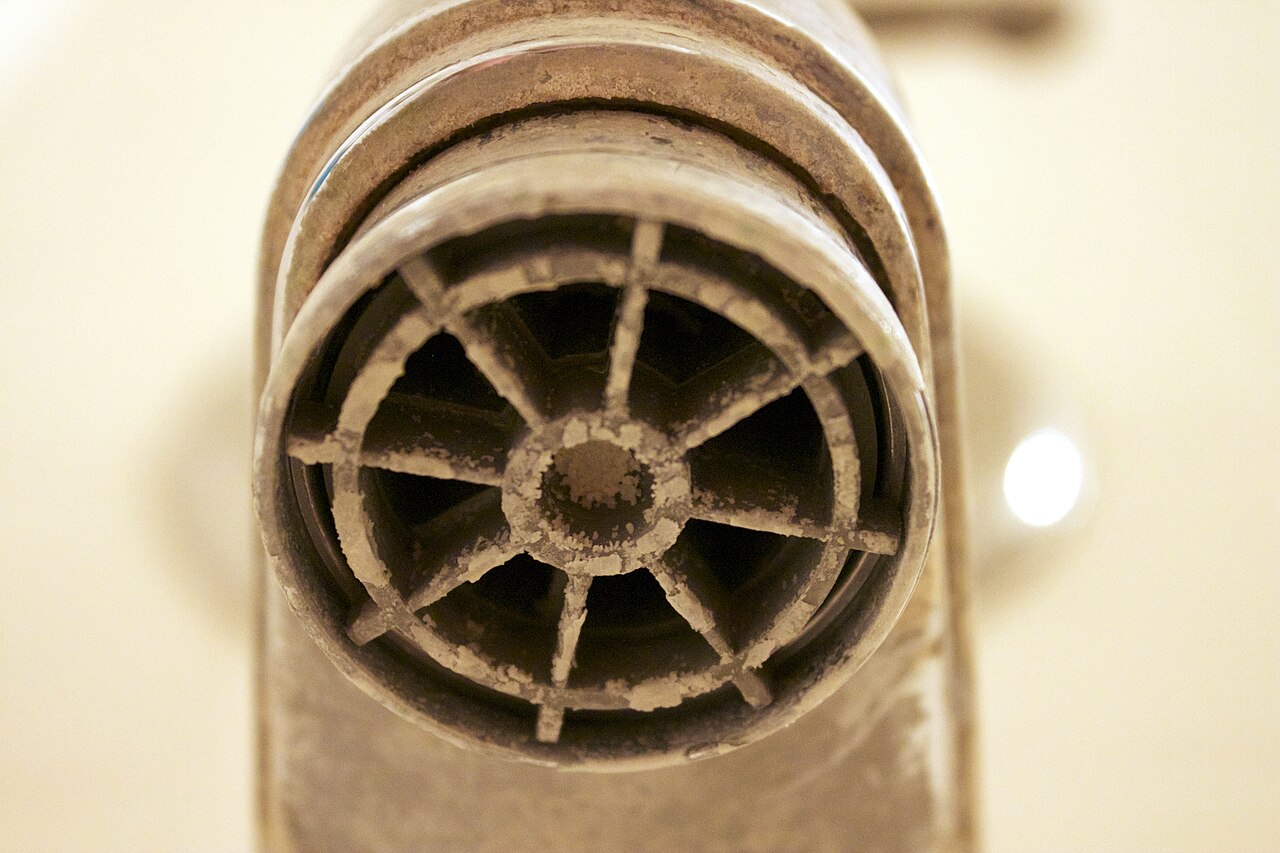
If your tap water is hard, you will meet limescale sooner or later. It shows up as a chalky white line where the water sits, a foggy film on the lid, and a crust creeping up the heater and the filter outlet. The first thing worth saying is that it will not hurt your fish. Limescale is a cosmetic nuisance, not a health problem, and once you understand what it is you can stop panicking about it and start managing it. I keep tanks on tap water that runs about 22 dGH, so I have scraped a fair amount of the stuff off glass over the years, and it turns out to be one of the easier problems in the hobby to live with. ...
Do Rift Lake Cichlids Need a Buffer? Salts and Minerals on Hard Tap Water
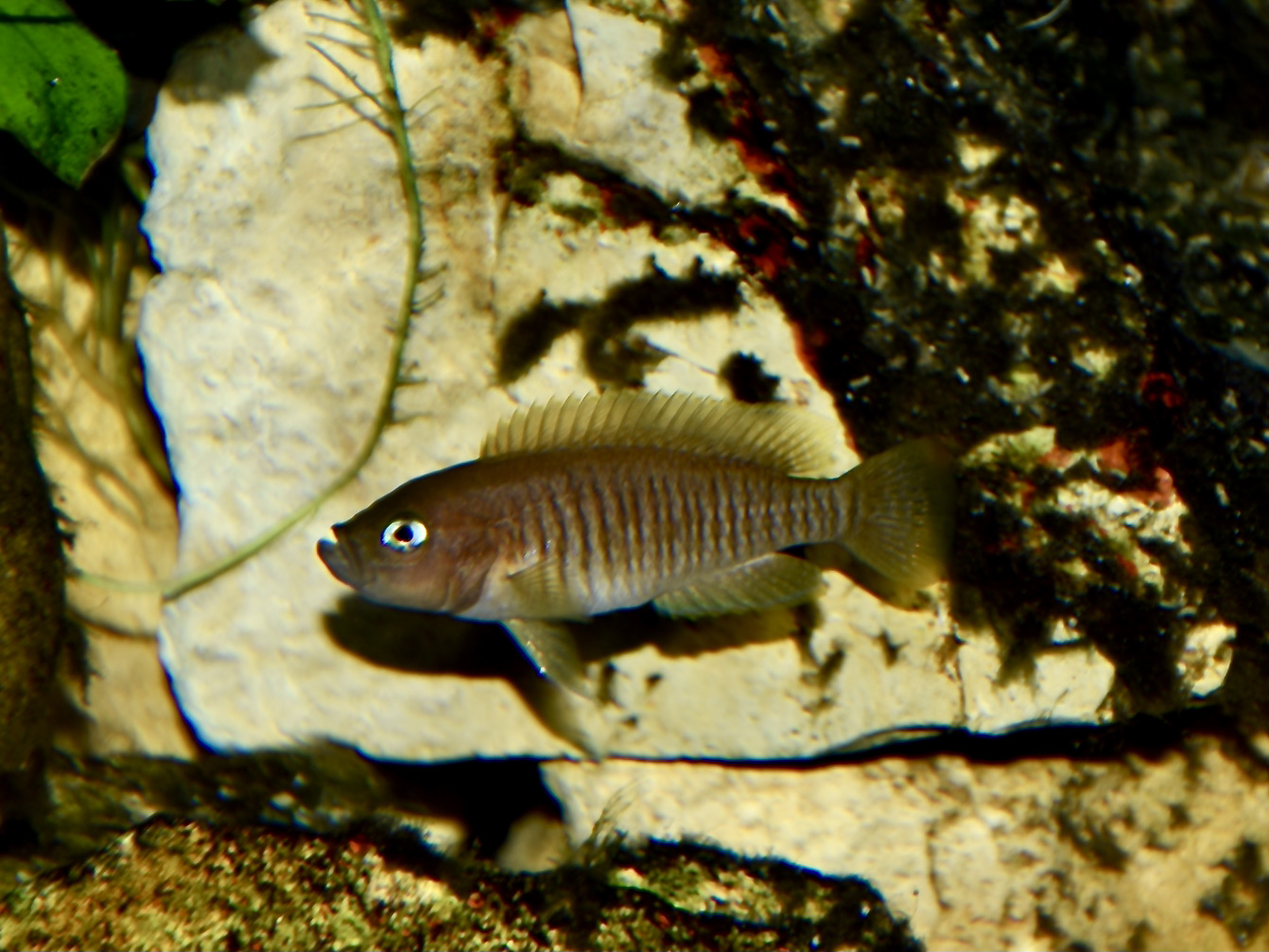
Walk into the cichlid section of any shop and you will find a shelf of tubs promising to turn your tap water into Lake Tanganyika or Lake Malawi. Buffers, cichlid salts, trace element blends. The useful thing to say first is this: if your tap water is genuinely hard and alkaline, you almost certainly do not need any of them. I keep Tanganyikan shell-dwellers on tap water that runs about 22 dGH, and I have never once reached for a tub of buffer. My fish breed, colour up and get old. The shelf is aimed at people whose water is soft, and if that is not you, you are being sold a fix for a problem you do not have. ...
Is a High pH Bad for Your Aquarium? An Honest Take on Hard Alkaline Water
Every few weeks someone tells me their tap water reads pH 8, they have panicked, and they are halfway through emptying a bottle of pH-down into the tank. So let me say the useful thing first: a high pH, on its own, is almost never the problem people think it is. A stable pH of 8 will keep a great many fish in fine health for years. What actually harms fish is a pH that lurches up and down, and chasing a high reading lower is one of the surest ways to cause exactly that lurch. I keep tanks on tap water that runs about 22 dGH and sits firmly on the alkaline side, and I stopped fighting it a long time ago. ...
Lamprologus caudopunctatus Care: A Gentle Shell-Dweller for Hard Water
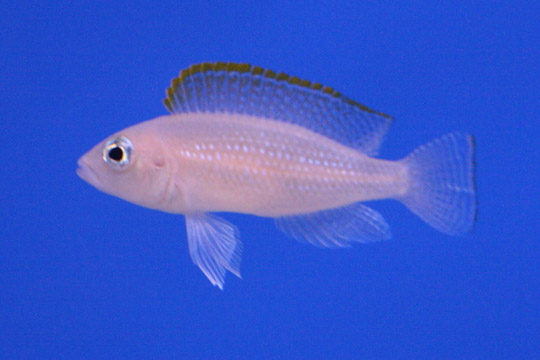
If you want a shell-dwelling cichlid that does not spend its whole life picking fights, the caudopunk is the one I point people towards. Neolamprologus caudopunctatus (you will also see it written as Lamprologus caudopunctatus, and sold as the caudopunk) is a small Lake Tanganyika cichlid that hovers in the water like a little kite, breeds readily, and asks for nothing my hard tap water cannot already give it. It is calmer than a colony of multies and a good deal more forgiving than a bad-tempered Lamprologus ocellatus. If you are choosing a first Tanganyikan, this is a species I keep coming back to. ...
Setting Up a Lake Malawi Mbuna Tank on Hard Water
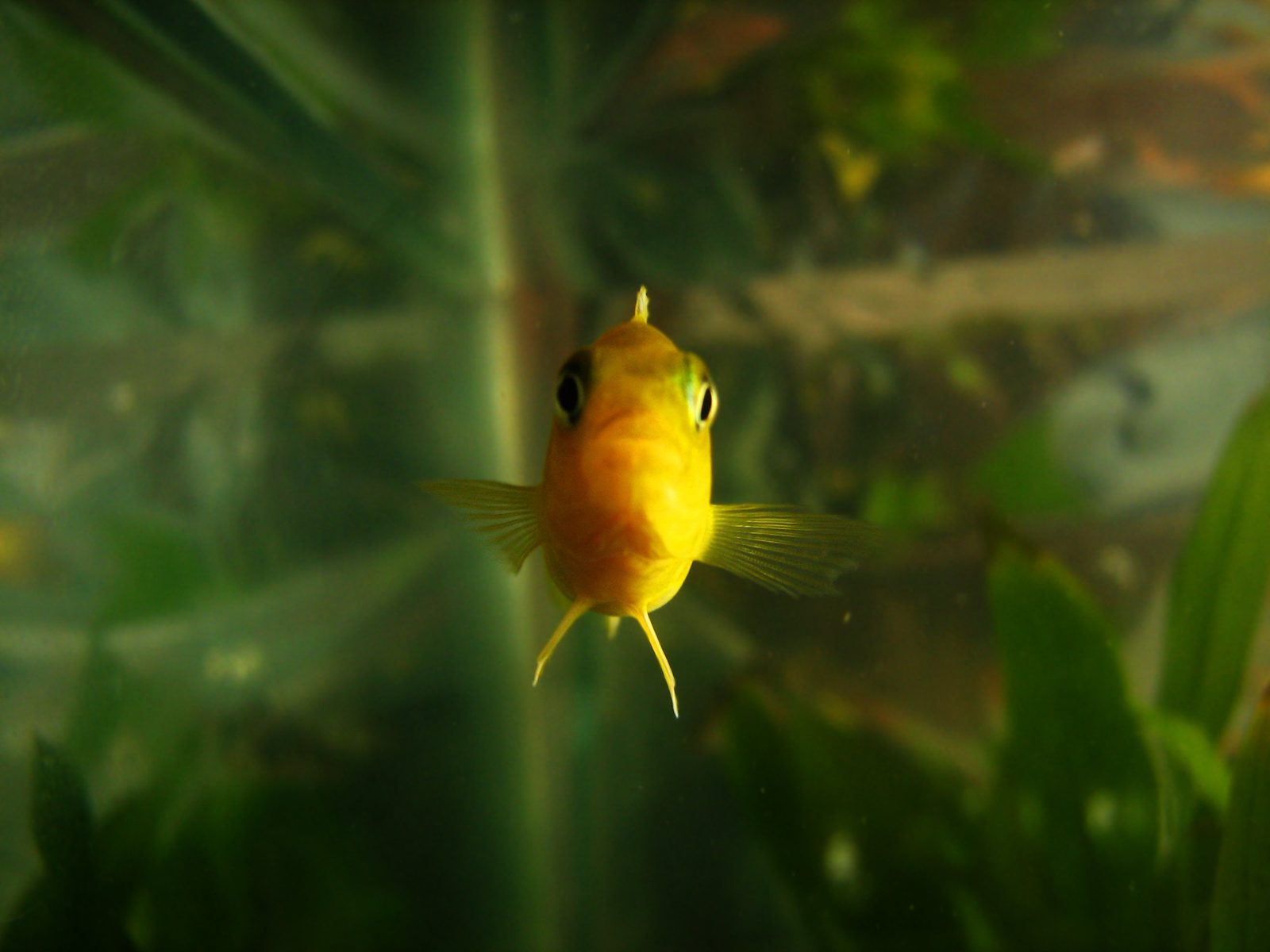
If you have hard, alkaline tap water and you want a tank that is loud with colour and constant activity, mbuna are one of the best things you can do with it. These are the rock-dwelling cichlids of Lake Malawi, small by cichlid standards but packed with personality and attitude, and the water they need is the water plenty of us spend money trying to get rid of. My tap runs around 22 dGH and buffers alkaline, and for a Malawi tank that is a head start most keepers would envy. This guide is how I set one up, and where the honest snags are, because a mbuna tank is brilliant fun but it is not a peaceful community and it is not forgiving of a soft-water mindset. ...
Frontosa Cichlid Care: Keeping Cyphotilapia frontosa on Hard Water
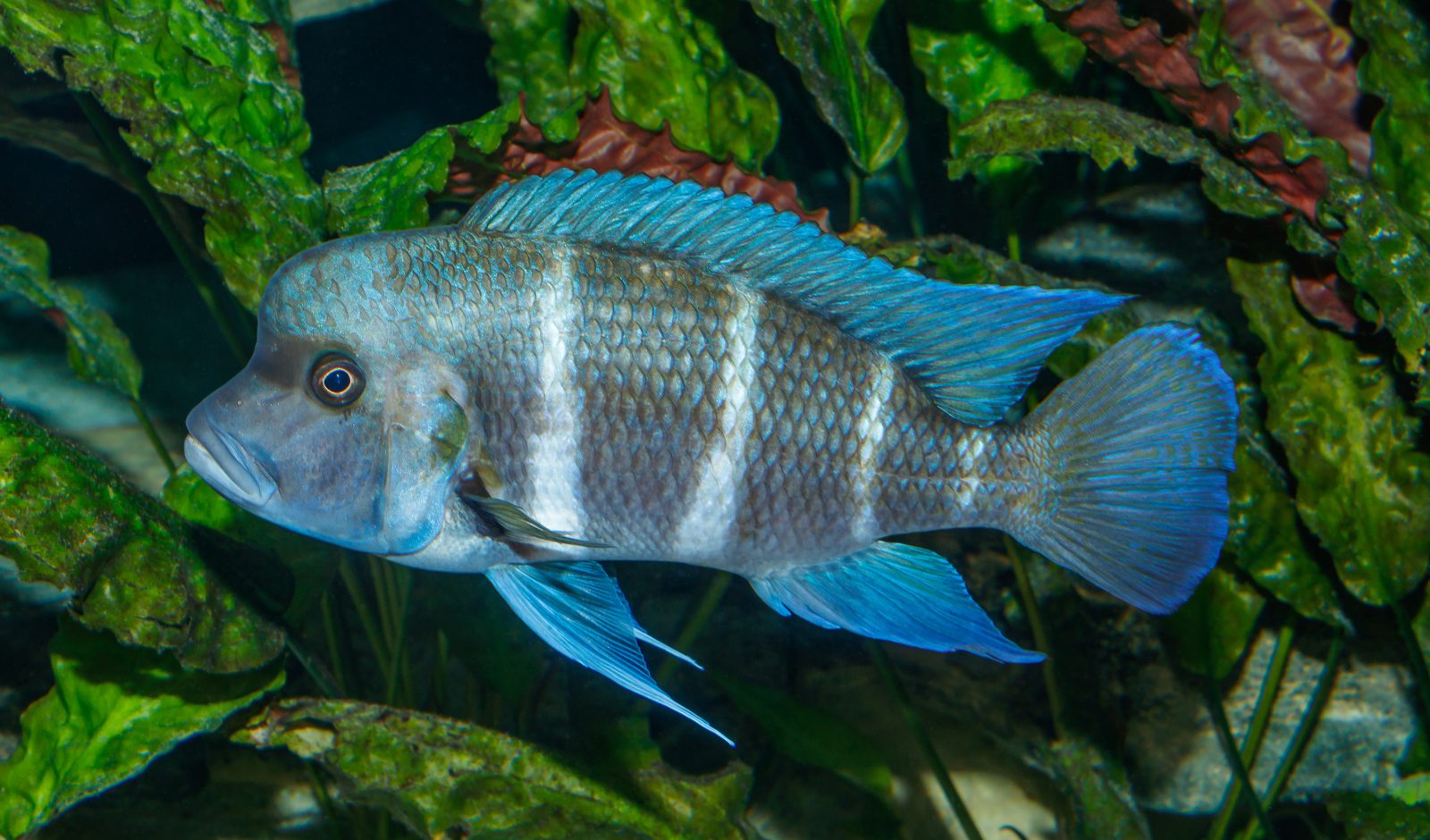
If you want one large, calm, genuinely impressive fish for hard alkaline water and you have the tank for it, the frontosa is hard to beat. Cyphotilapia frontosa is the humpheaded blue-and-white cichlid from the deep rocky slopes of Lake Tanganyika, and the water it evolved in is close to what comes out of my tap: hard, mineral-heavy and alkaline. That is the good news. The catch is size and patience. This is a fish that grows slowly, lives for well over a decade, and needs a tank most people underestimate. I keep a small colony, and the honest lesson from the first year was that I had bought a fish for the tank I wanted rather than the one I had. Let me save you that mistake. ...
Altolamprologus calvus and compressiceps: The Armour-Plated Ambush Cichlid
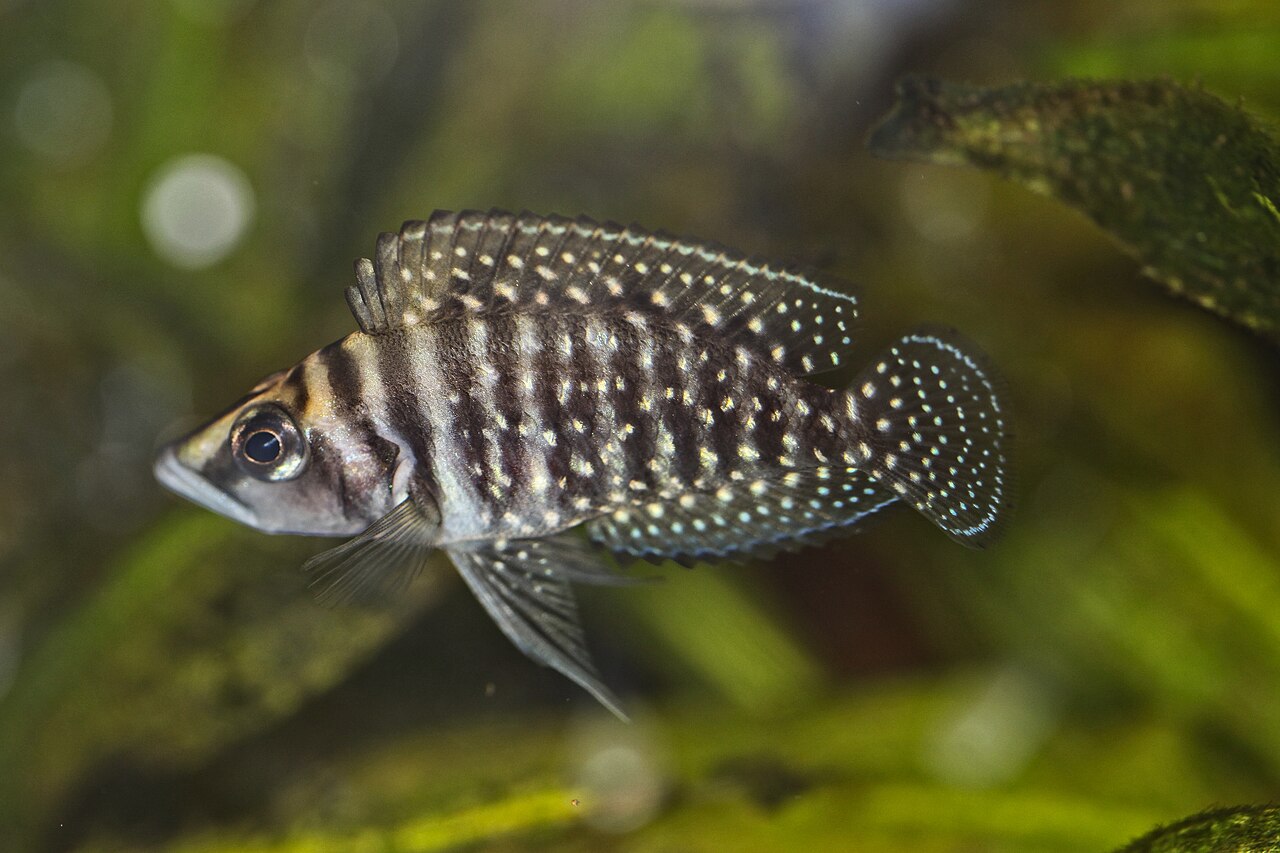
Some fish rush about and demand attention. Altolamprologus does the opposite. These are the still, watchful predators of Lake Tanganyika’s rocky shores, hanging almost motionless in the water with a flat, deep, armour-plated body, waiting for something small and foolish to swim past. I find them one of the most rewarding Rift Lake fish to keep precisely because they are not busy. A well-grown calvus with its pearly spangling, or a stocky compressiceps parked in a crevice, has real presence. And like every Tanganyikan, they are built for exactly the hard, alkaline water that comes out of my tap, which is a large part of why I recommend them to hard-water keepers who want something with more menace than a shell-dweller. ...
African Cichlid Bloat: What It Is, and Why Most People Blame the Wrong Thing
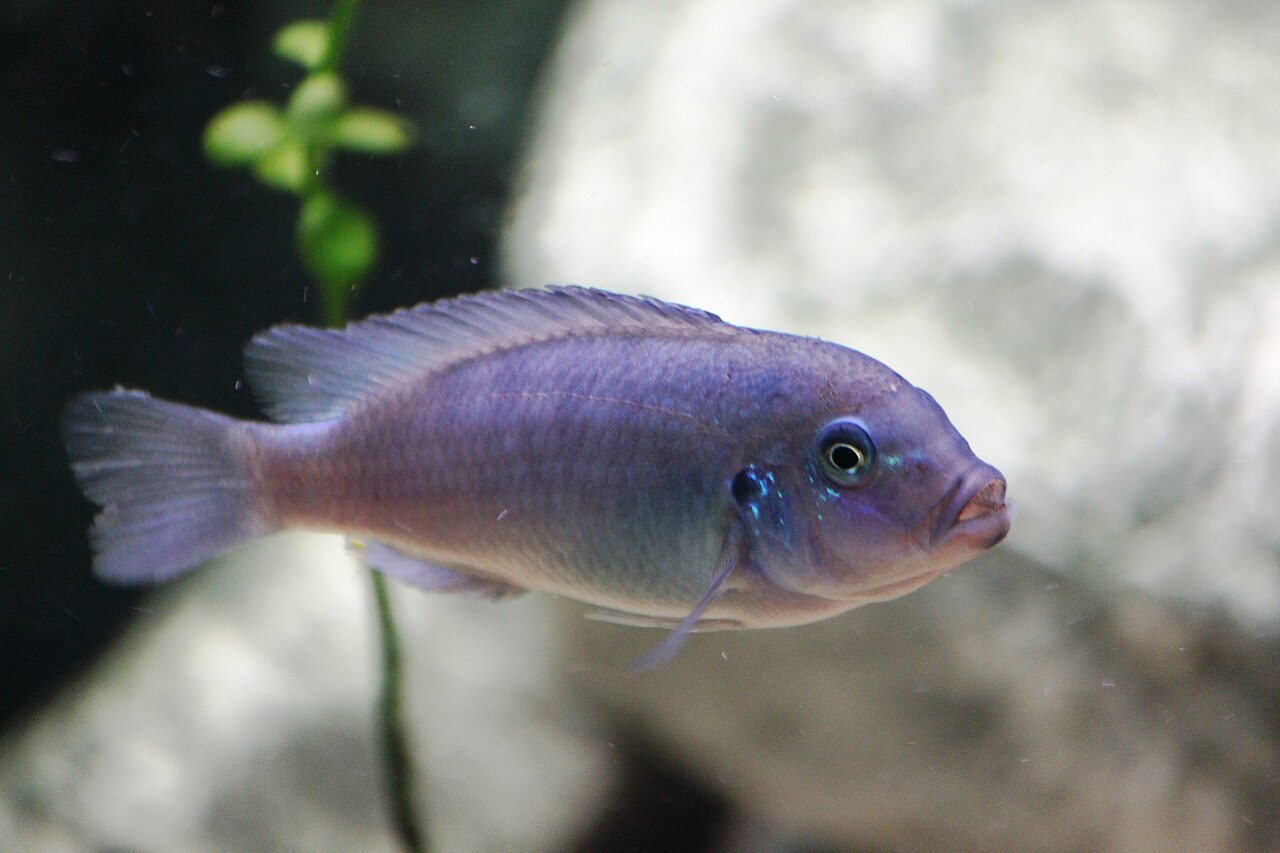
If you keep African cichlids for long enough, one day a fish that was fine last week will be sulking in a corner, refusing food, and trailing a length of clear or white stringy waste. That is the start of what most keepers call Malawi bloat, and it is the single problem that has cost me the most fish over the years. It moves faster than you expect, it does not always respond to treatment, and the advice online is a mess of half-truths. The most useful thing I can tell you up front is that bloat is very rarely about your water being too hard. On my tap, which runs about 22 dGH and alkaline, Rift Lake cichlids are exactly where they want to be. What tips them into bloat is almost always what goes in their mouths, and how stressed they are while it happens. ...
Cyprichromis leptosoma: The Fish for the Empty Top Half of a Rift Tank
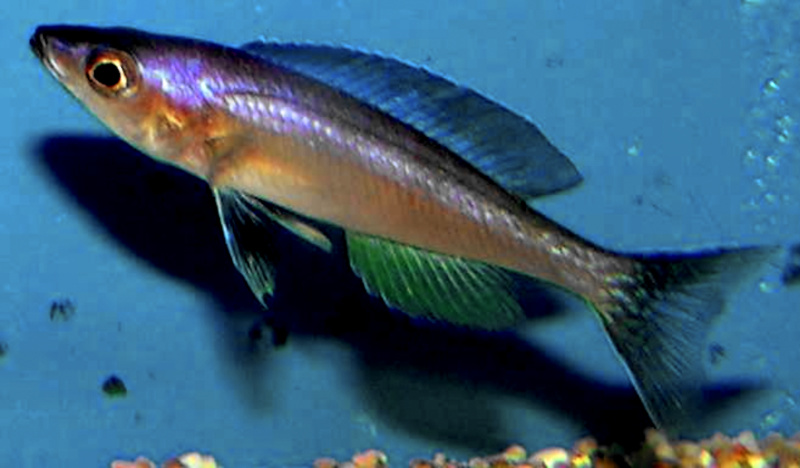
Look at most Tanganyikan tanks and you will notice the same thing: all the action is on the floor. Shell-dwellers digging, gobies perched on rocks, cichlids holding territory in the bottom third of the glass, and above them a great empty box of water doing nothing. Cyprichromis leptosoma is the fish that fills it. It is a peaceful, open-water shoaler that spends its whole life drifting and darting in the top two-thirds of the tank, and it is one of the few Rift Lake fish that genuinely wants the space my shell-dwellers ignore. ...
Neolamprologus brevis: The Shell-Dweller That Pairs Up
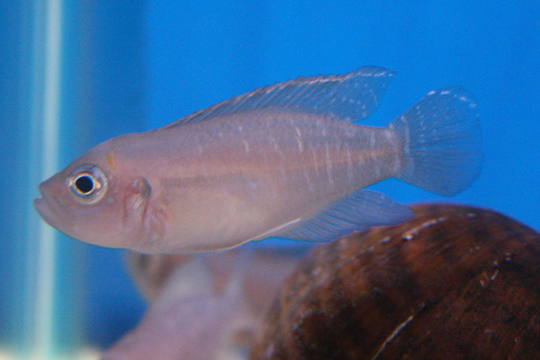
If you have read anything on this site about shell-dwellers, you will have met my multies, a sandy footprint full of little cichlids all shouting at each other over their snail shells. Neolamprologus brevis is the other way to do this. It is still a tiny Tanganyikan that lives in a shell, but it is not a colony fish. A bonded pair takes one patch of sand, settles on a shell, and that is the family. If you want the shell-dweller experience but you have a smaller tank or you simply prefer watching two fish you actually recognise, brevis is the one I point people at. ...