A striped convict cichlid, Amatitlania nigrofasciata, over gravel

Convict Cichlid Care: The Hard-Water Cichlid That Breeds Itself

If you want a cichlid with real character, a fish that watches you across the room and rearranges its tank to suit itself, and you happen to have hard alkaline tap water, the convict is one of the easiest recommendations I can make. It is cheap, it is tough, it breeds at the drop of a hat, and it could not care less that your water is liquid rock. The catch, and there is always a catch, is temperament. A breeding pair of convicts is one of the most aggressive things you can put in a home aquarium relative to their size, and going in without a plan for that is how people end up with a tank of shredded fins. ...
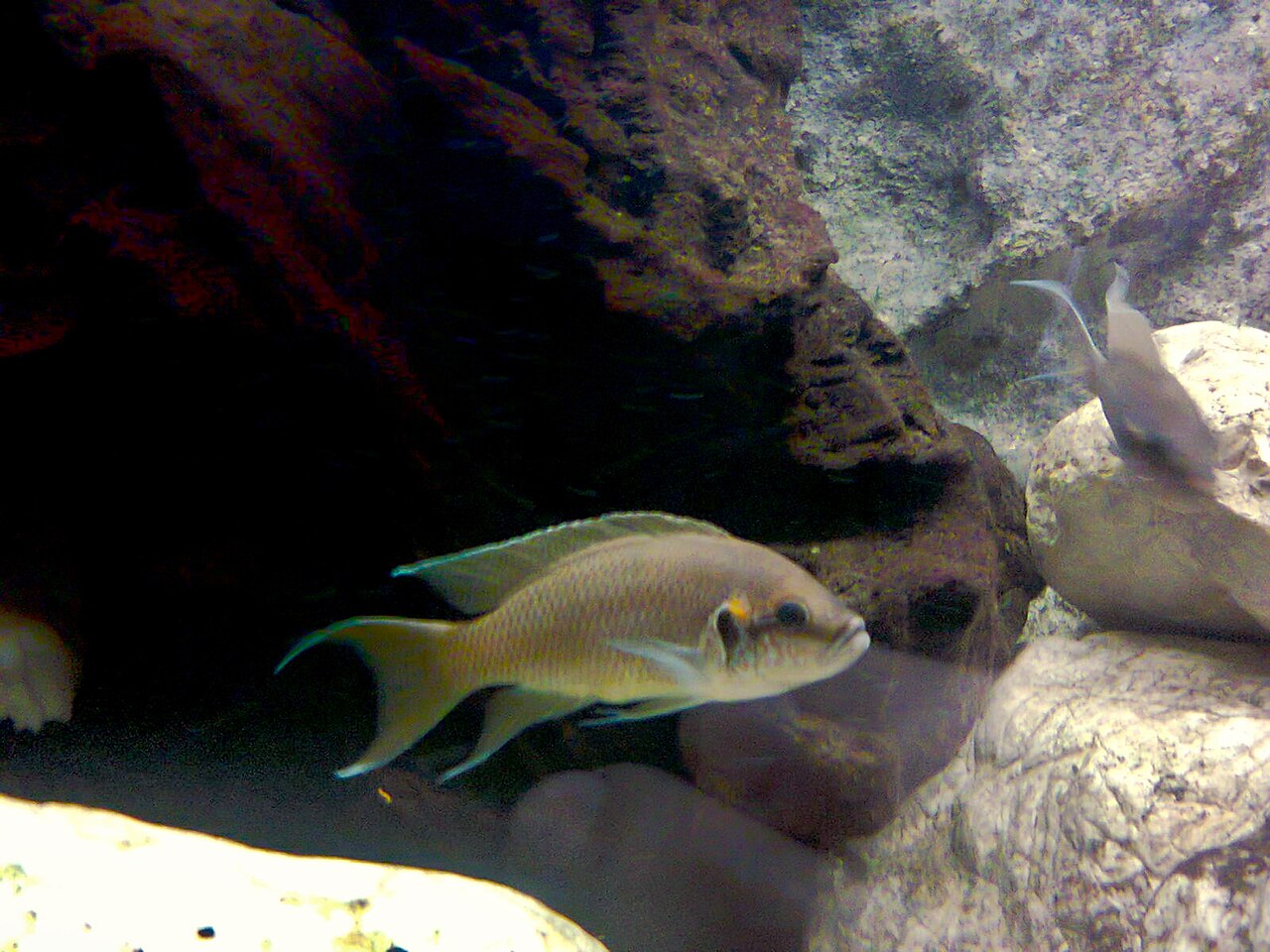
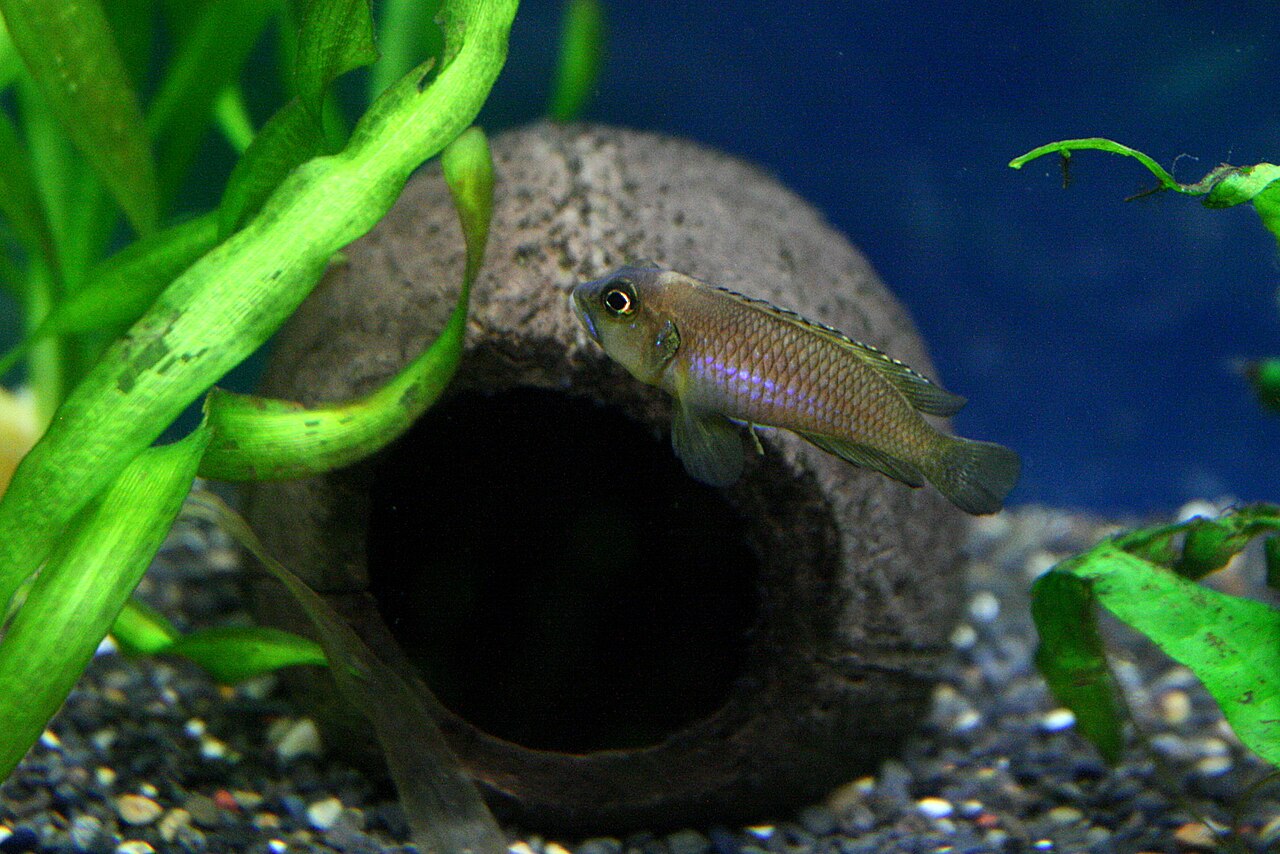
A Neolamprologus cichlid over rockwork in a Lake Tanganyika aquarium

Setting Up a Lake Tanganyika Tank on Hard Tap Water

Most people with very hard, alkaline tap water spend years fighting it. They buy pH-down, they lug home jugs of RO, they pick soft-water fish and then wonder why the fish never look right. I did all of that before I worked out the obvious thing: somewhere on the planet there is a lake with water almost exactly like the stuff coming out of my kitchen tap, and it is stuffed with some of the most interesting fish in the hobby. That lake is Tanganyika, and building a tank around it is the single easiest fishkeeping I have ever done on my water. ...

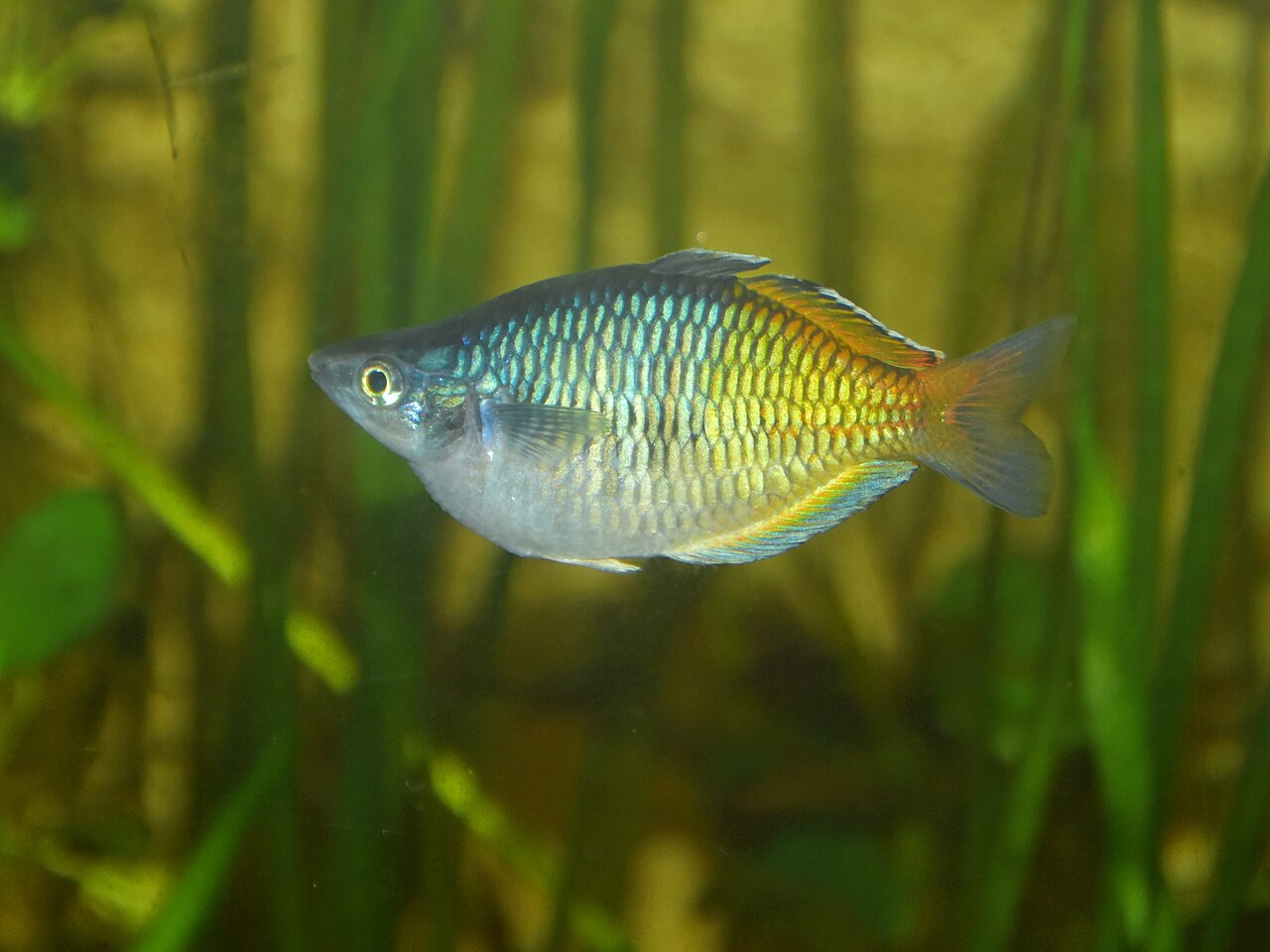
A male Boeseman's rainbowfish, Melanotaenia boesemani, showing blue and orange colour

Rainbowfish Care: The Colourful Shoal That Actually Wants Hard Water

If you keep hard, alkaline tap water and you have ever felt short-changed on colour, rainbowfish are the fish I wish more people knew about. Nearly all the bright community fish shops push, the tetras and the rasboras, are soft-water species that never quite settle in my water. Rainbowfish are the opposite. They come from hard, alkaline lakes, so my rock-hard tap is not a compromise for them, it is what they were built for. A mature shoal moving through a well-lit tank, males flashing colour at each other, is one of the best sights in the hobby, and I get it without touching my water chemistry. ...

A male Lamprologus ocellatus shell-dweller cichlid guarding a snail shell on sand

Lamprologus ocellatus Care: The Gold Shell-Dweller With a Big Personality

If you want a shell-dweller but the idea of running a whole colony feels like a lot, the gold ocellatus is the one I point people towards. It is a single fish with an enormous personality, it fits in a tank most people would call too small, and it treats my rock-hard tap water as home rather than something to be corrected. I keep mostly Tanganyikans, and of all of them this is the one that makes visitors laugh out loud, usually because a fish the length of a thumb has just squared up to their finger through the glass. ...

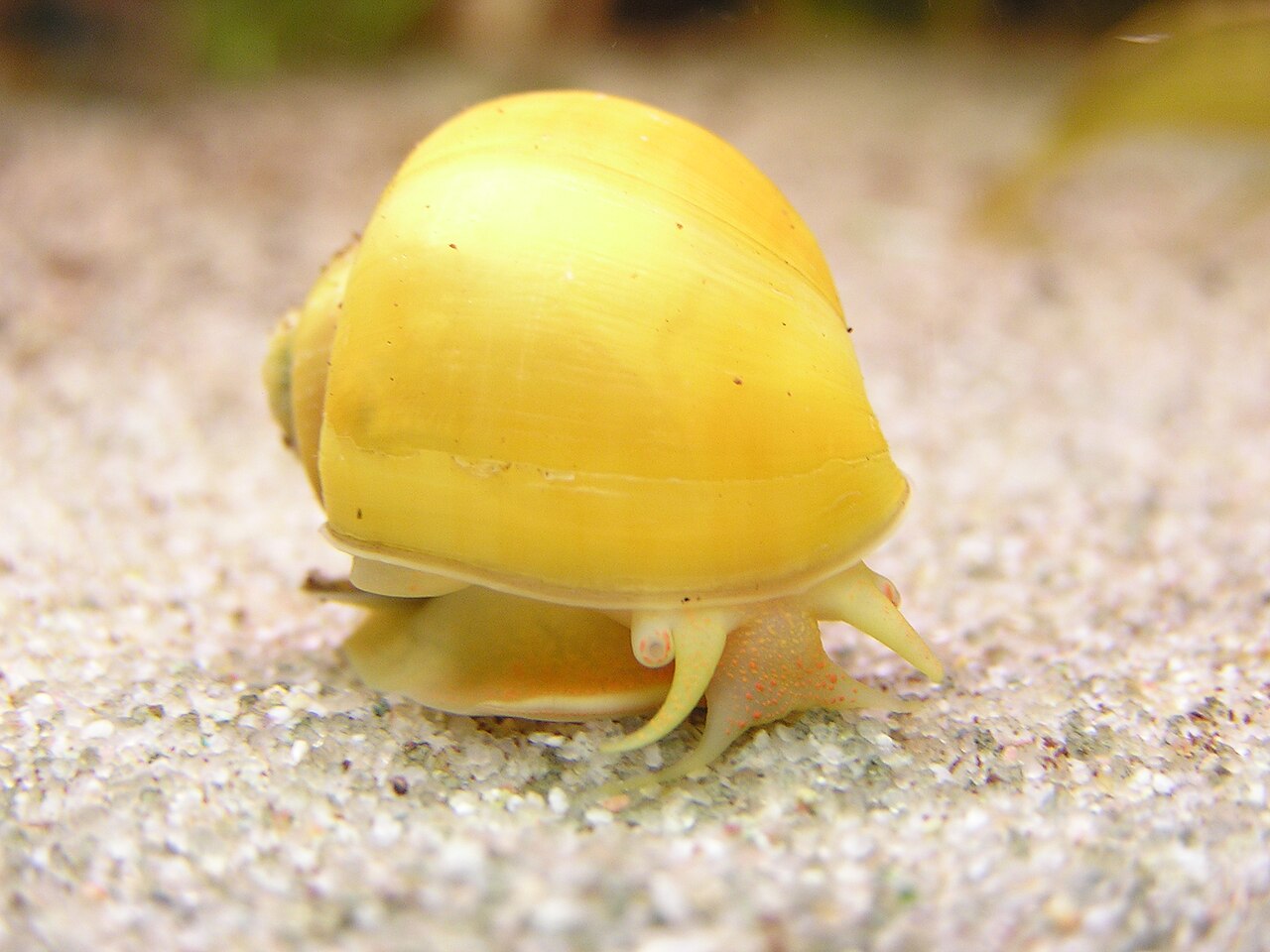
A golden mystery snail, Pomacea bridgesii, on aquarium glass with its foot extended

Mystery Snail Care: The Big Friendly Snail That Loves Hard Water

If your tap water is hard, and mine runs about 22.5 dGH, a mystery snail is one of the easiest and most satisfying things you can add to a tank. Most livestock in this hobby wants softer water than my tap gives; the mystery snail is the happy exception, because a shell is made of calcium carbonate and my water is dripping with the calcium to build one. I have kept these big, unbothered snails alongside my livebearers for years, and other than remembering to feed them properly they ask for almost nothing. This is a snail you actively want, not one you fight to get rid of, and that distinction is the whole point. ...

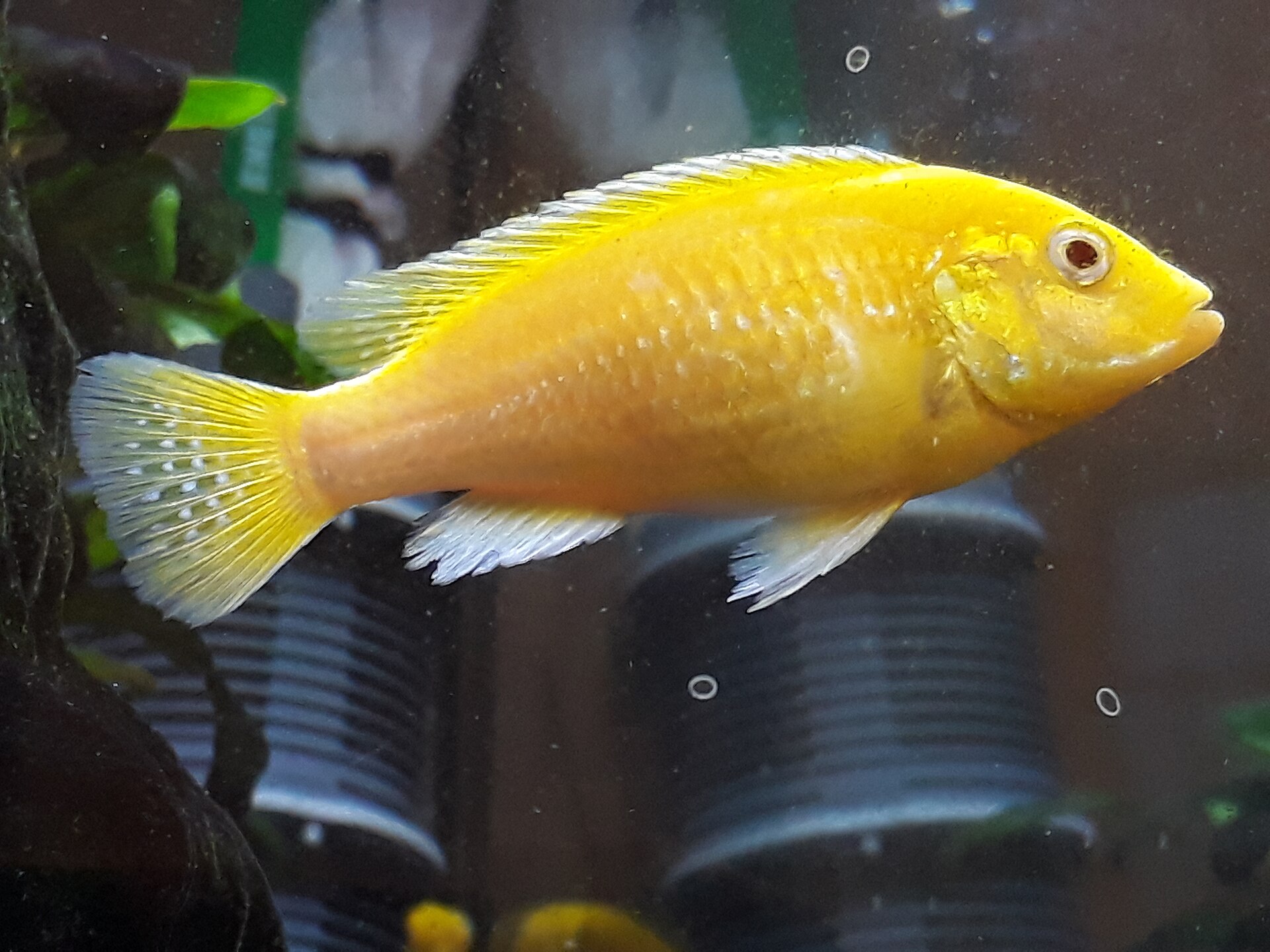
A bright yellow Labidochromis caeruleus electric yellow cichlid swimming near rockwork

Electric Yellow Cichlid Care: The Friendly Face of Lake Malawi

If you have hard, alkaline tap water and you fancy a cichlid with real colour, the electric yellow is the one I steer people towards first. Labidochromis caeruleus is a Lake Malawi mbuna, which normally means aggression and a species tank full of scraps, but the yellow lab is the gentlest of that rowdy family and it takes to my rock-hard tap without a single additive. I keep mostly Tanganyikans, so this is the Malawi fish that snuck into my heart: a banana-yellow body with jet-black fin edges, out in the open all day, and none of the sulking you get from soft-water fish stuck in the wrong water. There is a catch or two, mostly around feeding, and I will be straight about those. ...

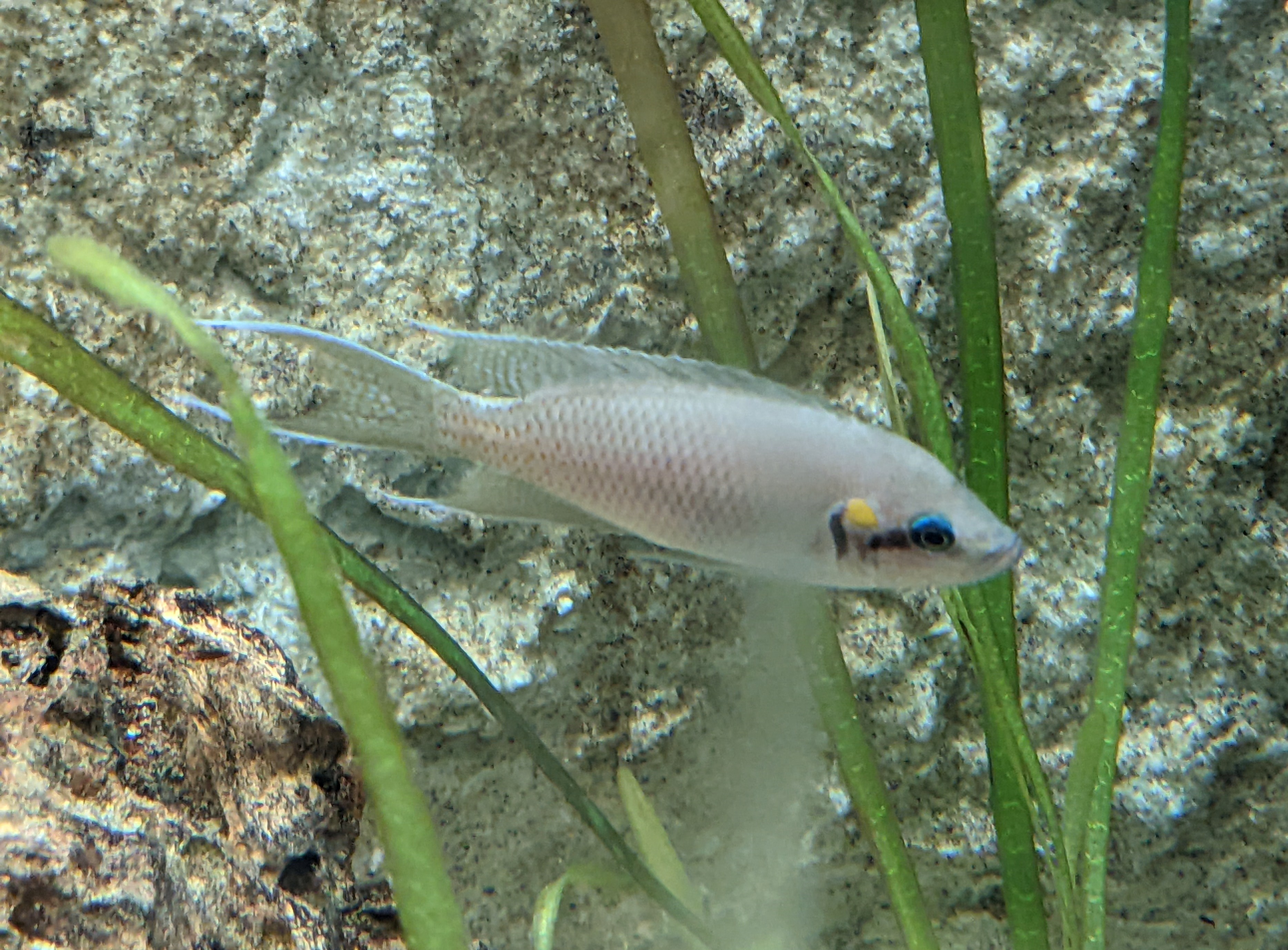
A Neolamprologus brichardi fairy cichlid with trailing finnage over rockwork

Neolamprologus Brichardi Care: The Fairy Cichlid That Runs a Dynasty

The fairy cichlid is one of those fish that fools people twice. First it fools you with the looks: a slender, tan body, trailing filament fins, a blue-lipped face and a little gold spot behind the eye, all of it delicate and elegant. Then it fools you with the temperament, because Neolamprologus brichardi is a stubborn, territorial fish that will square up to something three times its size and win. I keep them because they suit my hard tap water perfectly and because a colony is genuinely fascinating to watch, but I would never sell one as a gentle community fish. If you have hard, alkaline water and a tank you can give over to a single species, read on. ...

A golden Julidochromis ornatus cichlid resting against rockwork

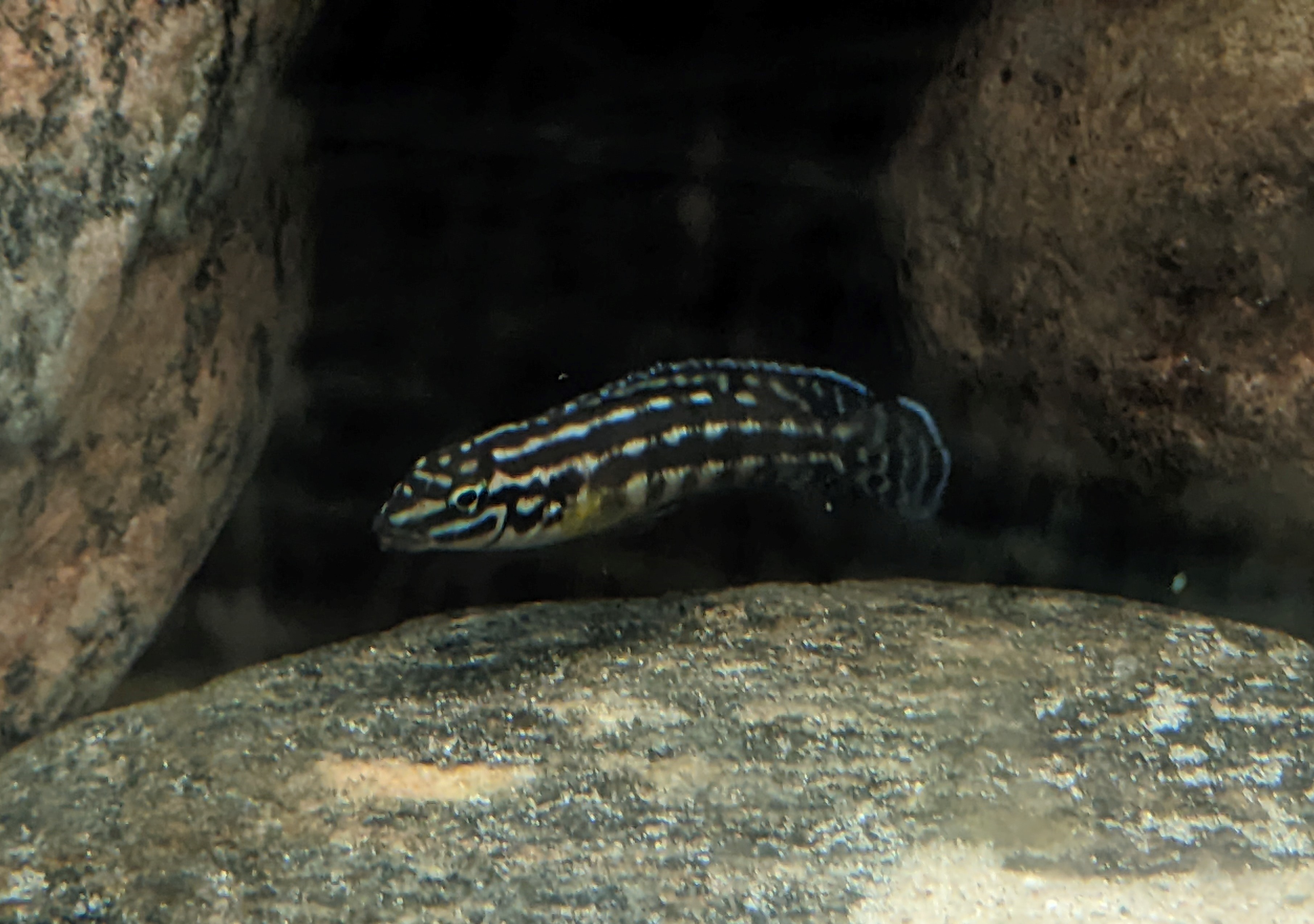
Julidochromis Care: The Rock-Dwelling Julie for Hard Water

If you have hard, alkaline tap water and you want a cichlid with real character in a tank you can actually fit in a room, a Julie is one of the first fish I would point you at. Julidochromis are slow, deliberate rock-dwellers from Lake Tanganyika, they pair up and defend a patch of rock like a tiny elderly couple, and they thrive in exactly the water that makes soft-water fish miserable. The catch, and there is one, is the pairing. Get that right and a Julie pair will sit happily in a small tank for years. Get it wrong and one fish kills the other. I have watched both happen, so let me save you the second version. ...

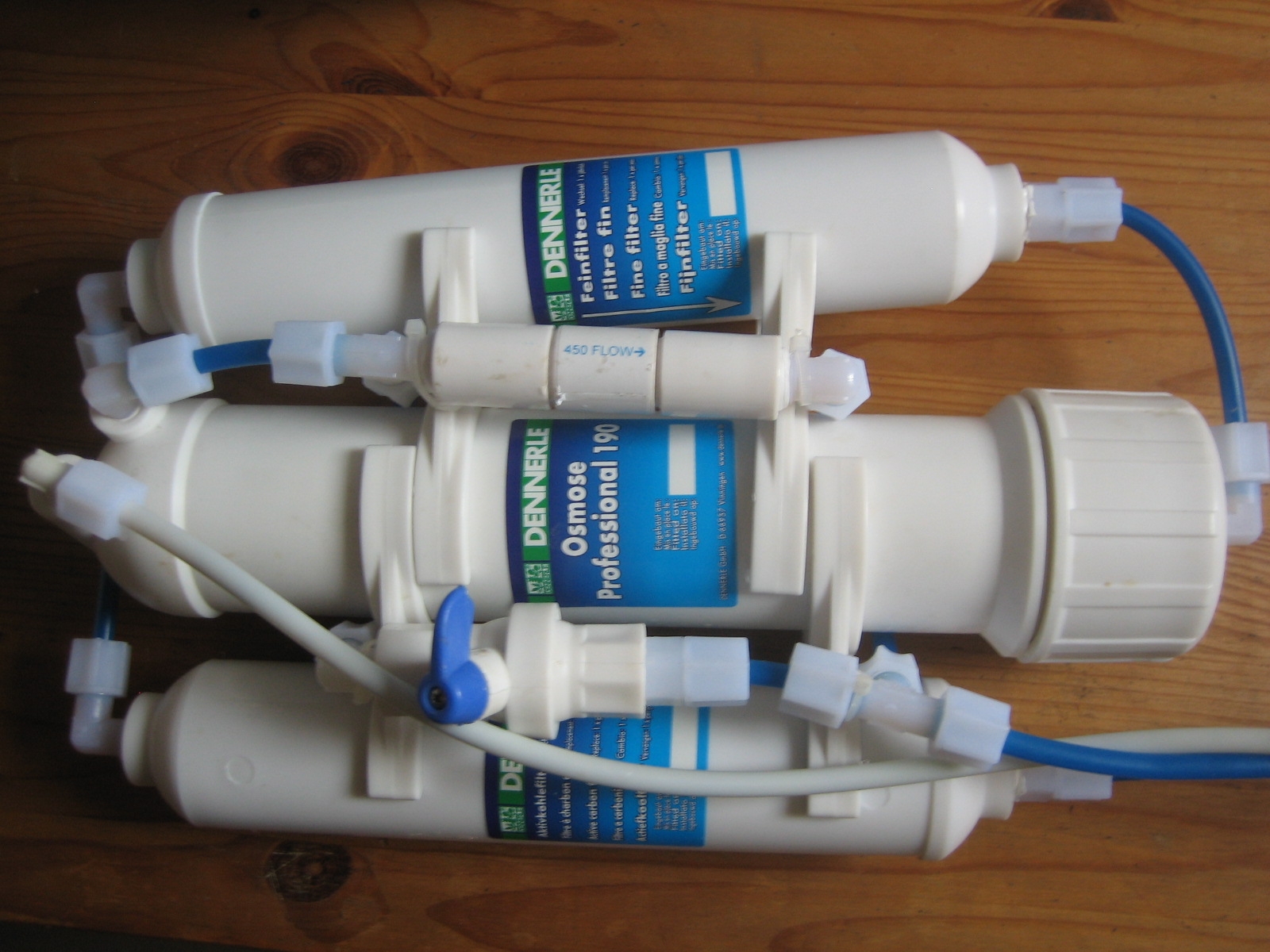
A reverse osmosis water treatment unit used for aquarium water

Do You Need RO Water? An Honest Take for Hard-Water Keepers

Most fishkeepers do not need reverse osmosis water, and a good number who buy a unit end up barely using it. That is the honest starting point, and it goes against a lot of the advice you will read. RO strips your tap water down to almost nothing, minerals, buffering and all, so you can rebuild it to whatever you like. That is genuinely useful for a narrow set of fish and a narrow set of tap water. For everyone else it is an expensive, wasteful answer to a question they do not actually have. I keep hard-water fish on hard tap water, and my RO membrane spends most of the year dry. Let me explain how I decide, so you can work out whether you are in the group that needs it or the much larger group that does not. ...

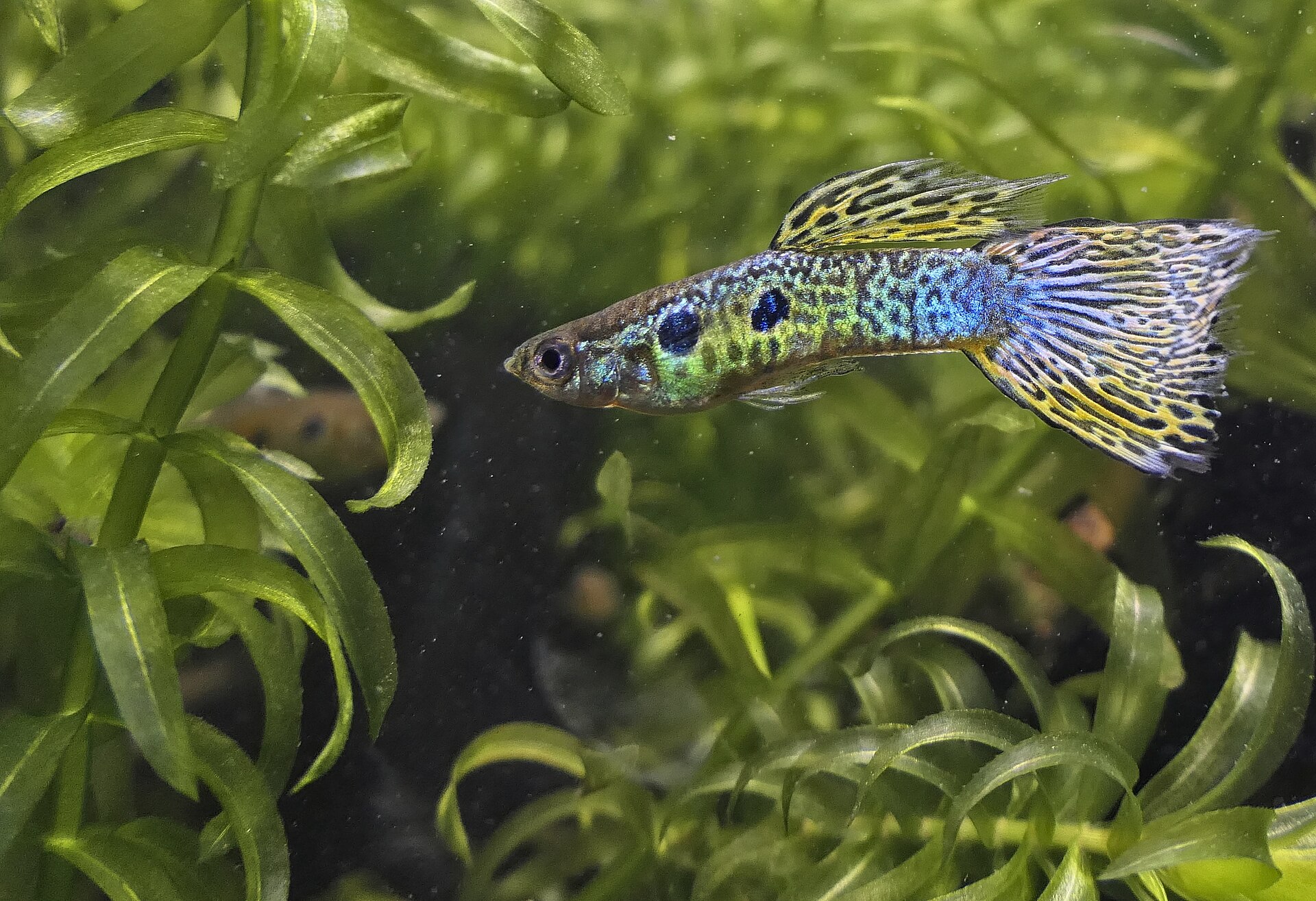
A male cobra-green guppy, Poecilia reticulata, showing its colourful tail

Are Guppies Actually Hardy? An Honest Take

Guppies are hardy in the ways that matter for a beginner, and fragile in a couple of ways nobody warns you about. That is the honest short version. They will forgive a wobbly first month, a slightly late water change and a filter that is not quite up to spec, which is exactly why they earned the reputation. What they will not forgive is soft, mineral-poor water and a tank of sick shop stock, and modern fancy strains are noticeably less bulletproof than the guppies of twenty years ago. I keep livebearers on very hard tap water, and I have watched cheap guppies shrug off things that flattened fussier fish, and I have also watched a batch of pretty fancy ones melt away for no obvious reason. Both things are true. Here is how to tell which guppy you are actually buying. ...