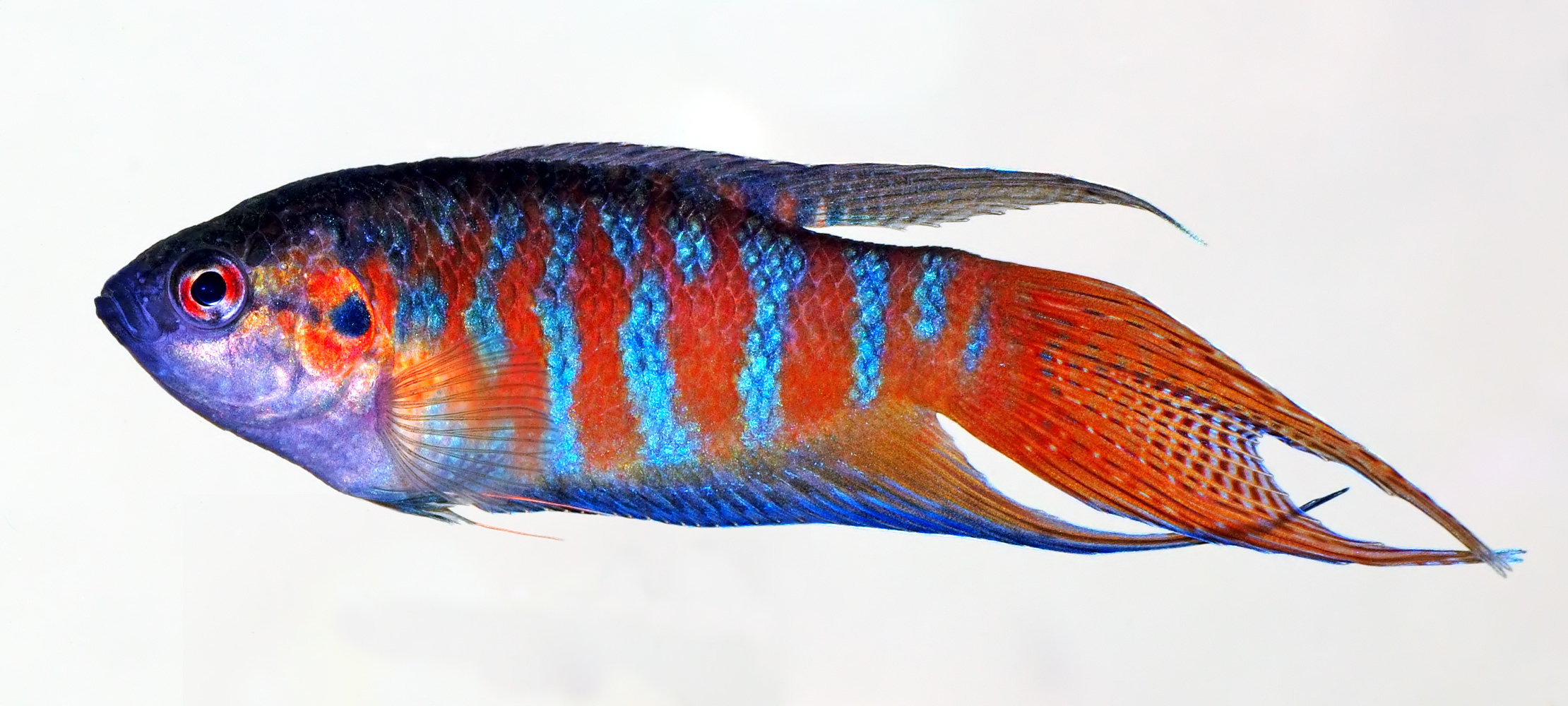
If you have hard, alkaline tap water and want something with real presence that is not a Rift Lake cichlid, the paradise fish deserves a look. It thrives across a huge range of hardness, sits comfortably in water like my 22 to 23 °dGH tap, and it is one of the few genuinely tropical-looking fish you can keep in an unheated room. The catch, and there is always a catch, is temperament. A male paradise fish is a bold, territorial little fighter, so this is a fish you plan the tank around rather than dropping into an existing community. Get that one decision right and it is among the most rewarding and undemanding fish I have kept.
Free PDF
Free aquarium water cheat sheet (PDF)
Grab the one-page reference for your tank: target ranges for pH, hardness, ammonia, nitrite and nitrate, plus a plain walkthrough of the nitrogen cycle. No fluff, unsubscribe any time.
Free, unsubscribe any time. The download starts as soon as you sign up.
A fish with history
Macropodus opercularis was one of the very first ornamental fish brought to Europe, kept in the West well over 150 years ago, before the aquarium hobby as we know it really existed. It is a labyrinth fish, a relative of the betta and the gouramis, which means it gulps air from the surface through a special organ and can cope in water that would suffocate most fish. That heritage is exactly why it is so forgiving: it evolved in rice paddies, ditches and still margins across east Asia, warm and stagnant in summer, cool in winter, hard or soft depending on the ground. A fussy fish could not live there. This one flourishes.
Water: why hard water is no obstacle
This is the honest good news for anyone reading Lagonia. Paradise fish tolerate hardness across roughly the whole usable range, something like 5 to 30 °dGH, so my hard tap is well within what suits them and I have never softened a drop for them. A pH anywhere from about 6 to 8 is fine, which covers almost any tap in the country. If you want to understand where your own water sits, the GH and KH guide and the piece on reading your parameters will place you quickly.
Temperature is where they genuinely stand apart. Paradise fish are happy anywhere from about 16 to 26 °C, and they do not need to be kept at the warm end. In a normal heated home they will live perfectly well with no heater at all, which makes them one of the very few colourful tropicals you can keep unheated. If your room drops cold in winter a small heater set low takes the edge off, and the heater calculator will size one sensibly, but plenty of keepers run them cool and the fish are all the tougher for it. What they will not forgive is a fierce current; coming from still water, they prefer a gentle flow.
Because they breathe air, they are not fussy about oxygen and do not need an air pump running an airstone. That same labyrinth organ does mean they must always be able to reach the surface, so never fill a tank to the brim under a tight lid with no air gap, and do keep a lid on, because a startled paradise fish can jump.
The book behind Lagonia
The Hard Water Aquarium
My practical guide to working with hard, alkaline tap water instead of fighting it: reading your water, choosing and setting up the tank, and keeping and breeding the fish that thrive in it, from livebearers to Rift Lake cichlids and shell-dwellers.
Ad · Amazon affiliate links. I earn a small commission on a purchase, at no extra cost to you.
Tank and setup
For a single fish or a carefully chosen pair, I would want at least 75 to 90 litres, and honestly more floor space is better than more height for a fish that patrols territory. Length matters more than volume here. Run the numbers for any tank you are considering through the volume calculator so you know what you are actually working with.
Set it up with cover. Plenty of planting, some tall or floating plants for the surface, and a few caves or pieces of wood break up sightlines and give a subordinate fish somewhere to be out of view, which takes the heat out of aggression. Unlike their plant-shredding cousins the larger barbs, paradise fish generally leave plants alone, so you can aquascape properly. A darker substrate shows off their colour, which is worth having, because a settled male in good condition, all red and blue bars with a flaring tail, is a genuinely stunning fish.
Temperament and tankmates
Here is the part people underestimate. Paradise fish are aggressive and territorial, particularly the males, and they are capable hunters. They will eat fish small enough to fit in their mouths, so nano fish, shrimp and fry are prey rather than company. Two males in anything but a very large tank will fight, sometimes to the death, so the simple rule is one male per tank unless you have serious length to divide up.
That does not mean a species-only tank is your only option, but it does mean choosing tankmates that are hardy, similar in size, and not long-finned targets for nipping. Fast, sturdy, middle-of-the-range fish that suit hard water stand the best chance; my guide to fish for hard water is a sensible place to start a shortlist. Avoid anything slow, tiny, or trailing fins. Whatever you pick, watch the tank for the first week and have a plan to separate fish if it goes wrong. If you want a peaceful labyrinth fish for a community instead, a gourami is usually the gentler choice, and a betta is the closer relative but a warmer-water, indoor-only animal. The paradise fish is the tough, cool-tolerant, short-tempered cousin of both.
Feeding
Feeding them is easy, which is part of the appeal. They are omnivores and take good flake and pellet without fuss, but they are built to hunt, so they relish live and frozen foods: bloodworm, daphnia, brine shrimp, mosquito larvae. A varied diet brings out the best colour. They are also enthusiastic hunters of pest snails and will thin out a mosquito larvae problem in an outdoor summer tub with obvious glee. Feed once or twice a day, only what is cleared in a couple of minutes, and keep an eye on waste; the principles in my feeding guide apply here as much as anywhere.
Sexing and breeding
Telling males from females is easier than with many fish. Males are larger, more intensely coloured, and carry noticeably longer, more pointed fins, especially the dorsal, anal and tail. Females are smaller, rounder in the body when in condition, and plainer. If you are looking at a tank of youngsters, the boldest, flashiest, longest-finned ones are your males.
Breeding is a real pleasure to watch and not hard to trigger. Paradise fish are bubble-nest builders, like bettas. The male blows a raft of bubbles at the surface, often anchored under a floating plant, then displays to the female and, if she is ready, wraps around her beneath the nest in an embrace that releases the eggs. He gathers the eggs into the bubbles and from then on guards the nest himself, chasing everyone else off, including the female, who should be moved out once spawning is done. Warmer water around 25 to 26 °C and plenty of surface cover help. The fry are tiny and need very fine food at first, which is exactly where a culture of baby brine shrimp earns its keep. Do be ready for the aggression that comes with a guarding male, and have a separate tank organised before you start rather than after.
Is the paradise fish for you?
If you have hard water, a tank with good floor space, and you want one characterful centrepiece fish rather than a crowd, the paradise fish is a brilliant, under-appreciated choice, and your tap water is already on its side. It asks very little: no softening, no heater in a normal room, no special food. What it asks instead is respect for its temper, which mostly means not asking it to share with fish it will bully or eat. If you want a busy, peaceful community, look elsewhere; the best beginner fish guide has gentler options. But for the right setup this is a fish with a century and a half of history behind it and a lot of personality in front of you.
As always, remember that new fish carry risk to an established tank, so quarantine new arrivals and acclimate them slowly. The figures here are working guides from my own tanks and from keepers I trust, not hard laws. Fish are individuals, and a paradise fish in particular will show you plenty of its own opinions; watch yours and let its behaviour guide your decisions.