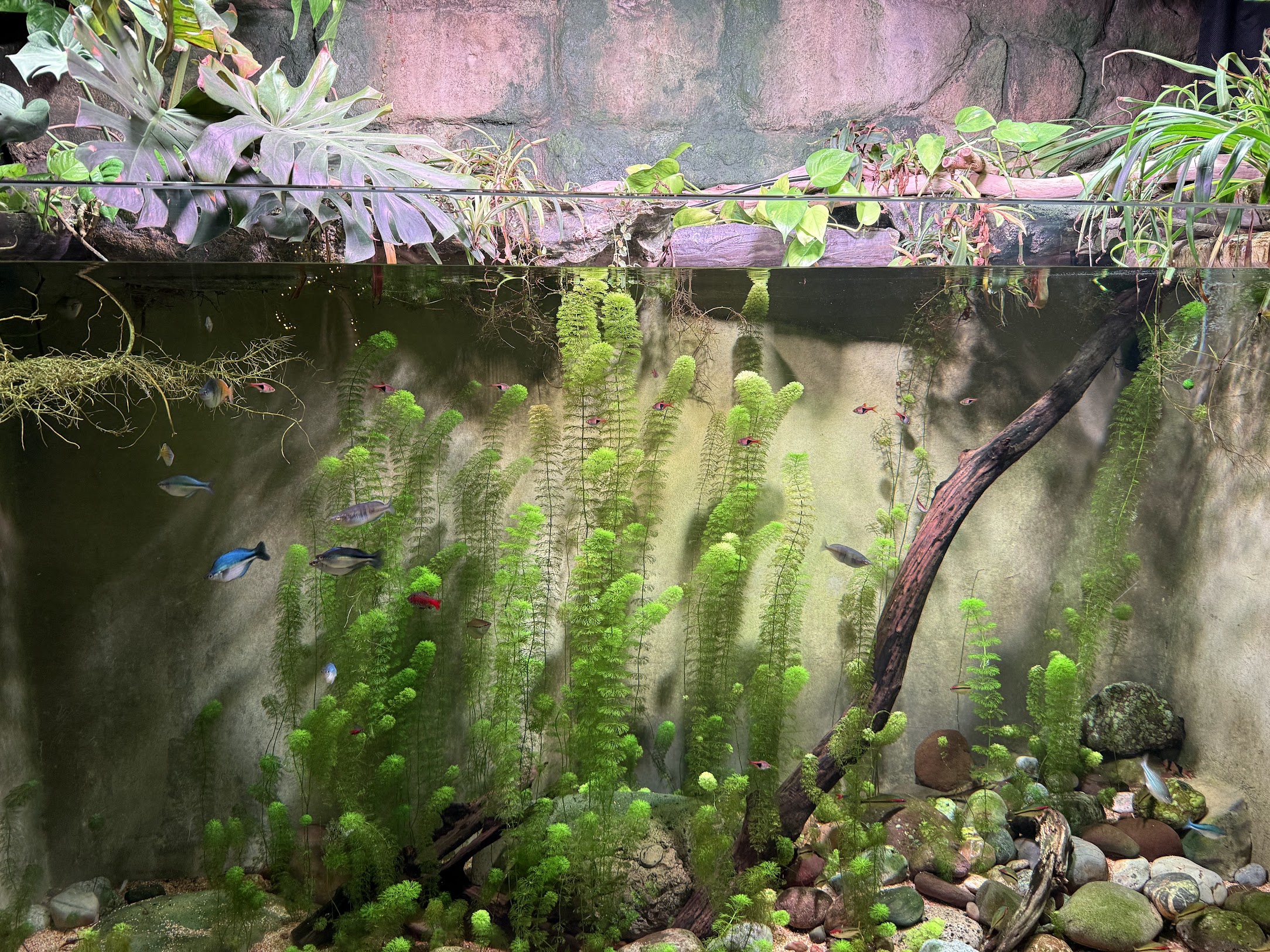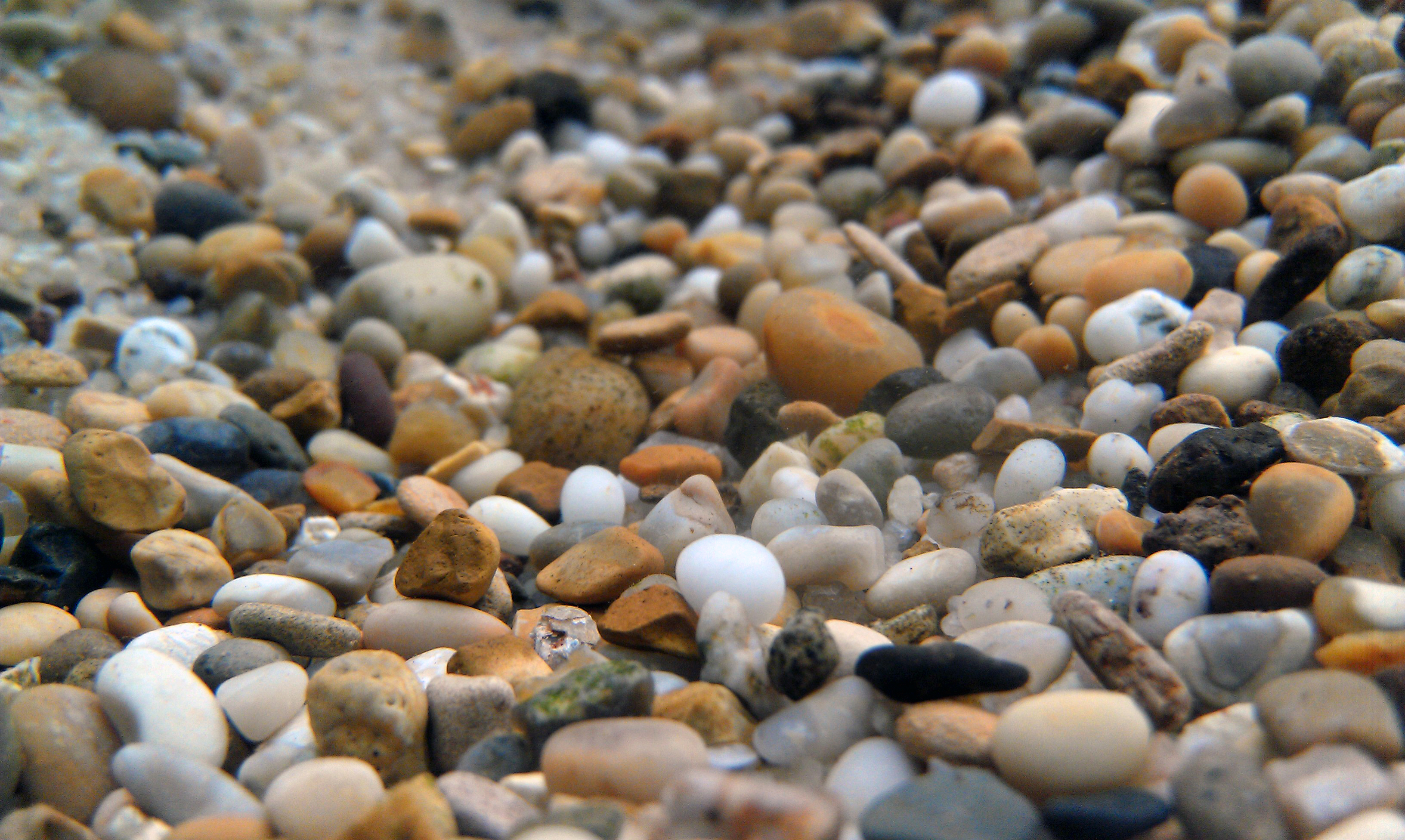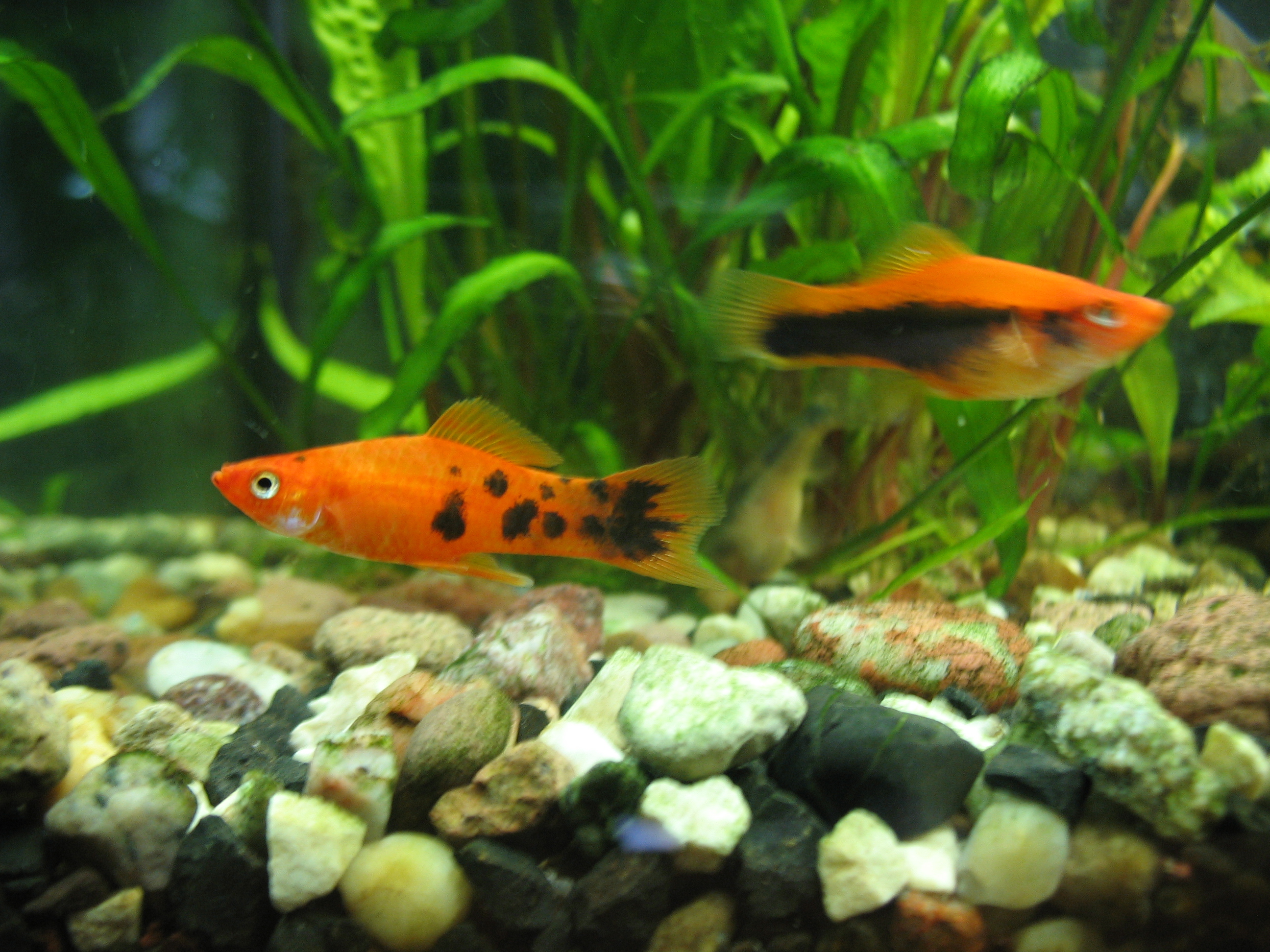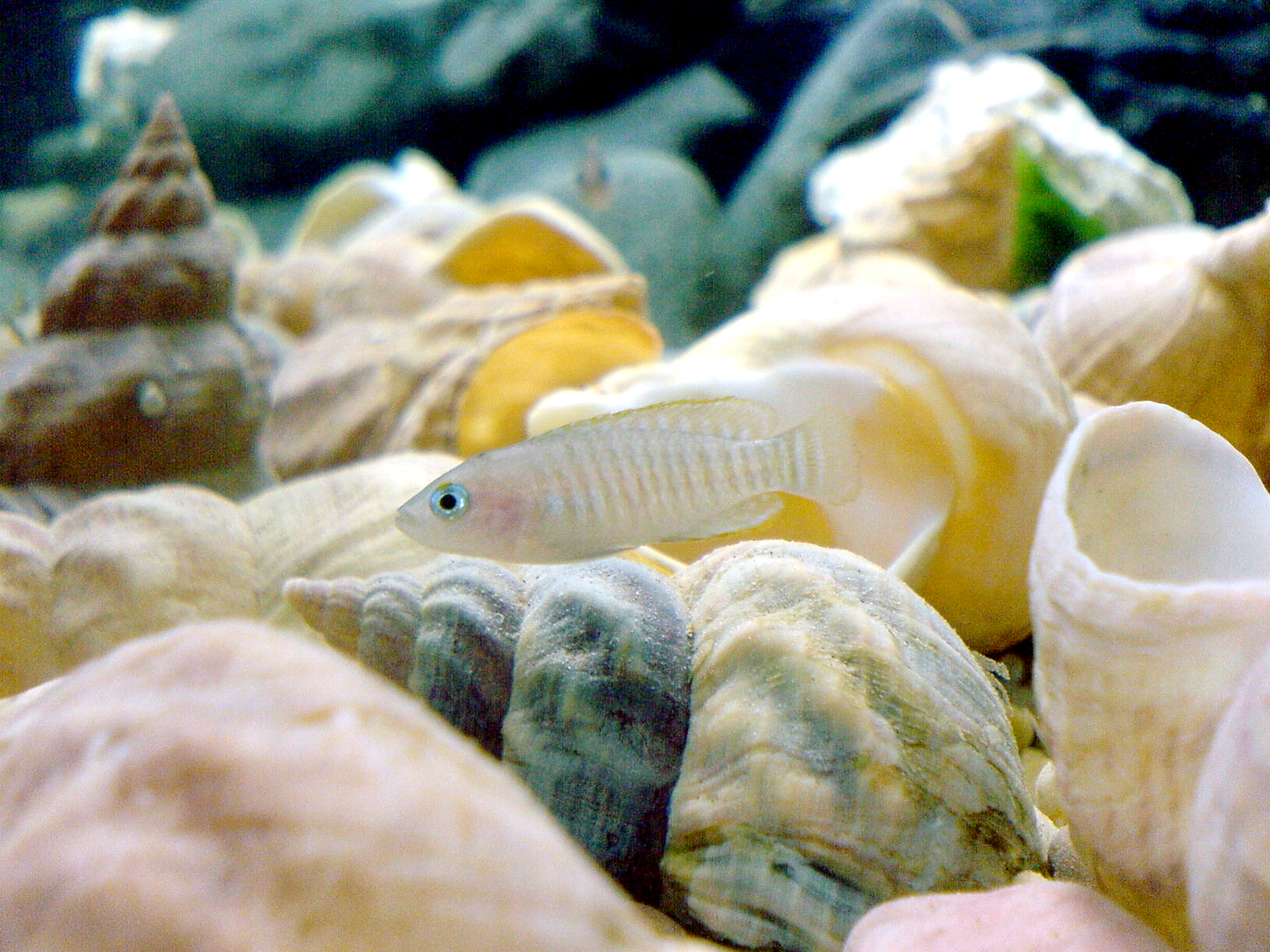
A freshwater aquarium with a natural gravel substrate

Under-Gravel Filters: The Case for the Filter Everyone Loves to Hate

I am old enough to have run under-gravel filters when they were just what a filter was. A slotted plastic plate under the gravel, a couple of lift tubes, an air pump chugging away in the corner, and a tank of guppies that outlived the family cat. Then the hobby moved on. Canisters arrived, hang-on-backs got cheap, and somewhere along the way the under-gravel filter went from standard kit to the thing you are gently warned against by every shop assistant and half of YouTube. “Nitrate factory.” “Anaerobic dead zones.” “Antiquated.” I nodded along for years. ...

July 8, 2026 · 10 min
Colourful livebearer fish that thrive in hard alkaline aquarium water

The Fish That Thrive in Hard Water (and the Ones I Stopped Fighting)

I spent my first year in this hobby quietly at war with my own tap. My water comes out of the mains very hard, around twenty-two to twenty-three degrees of German hardness, calcium dominant, alkaline, with a bit of nitrate already in it before it ever reaches a tank. Like most beginners I assumed this was a fault to be corrected, and I chased the fish I found prettiest online, most of which wanted the exact opposite of what I had. It took a while, and a few disappointments, to accept a simple idea that changed everything: my water was never the problem, my stocking list was. Once I started keeping fish that actually come from hard, alkaline water, the whole hobby got easier and more rewarding. This is the honest breakdown of what thrives in water like mine, what I eventually stopped fighting, and why stocking with your water beats stocking against it every time. I have written separately about the GH and KH side of hard water; this piece is about the fish. ...

July 8, 2026 · 8 min
African Rift Lake cichlids among pale rocks in a freshwater aquarium

Keeping Shell-Dwelling Cichlids: My Hard-Water Multifasciatus Colony

The tank I look at most often is not my biggest or my prettiest. It is a low, wide box sitting on a shelf in the bathroom, holding maybe fifty litres of very hard water and a floor covered in empty snail shells. Inside it, a colony of the smallest cichlid in the world runs its own affairs with almost no help from me. These are shell-dwelling cichlids, Neolamprologus multifasciatus, and after several years of keeping them I am still not bored of watching. This is the practical account of how I keep the colony, what my hard tap water does for it, and the handful of things I got wrong before I got them right. If you want the full species profile, I have written one already on Neolamprologus multifasciatus; this piece is the lived version, the day to day of actually running a shellie tank. ...

July 8, 2026 · 9 min
Neolamprologus multifasciatus shell-dweller

Neolamprologus multifasciatus: Keeping and Breeding the Smallest Cichlid

The colony in my bathroom tank started as six fish. Nobody asked my permission for what happened next, and that is rather the point of Neolamprologus multifasciatus. These are shell-dwelling cichlids from Lake Tanganyika, usually just called multies, and they hold a genuine claim to being the smallest cichlid in the world. A big male is 4 to 5 cm, females noticeably smaller, and yet they carry all the character of their much larger relatives. They dig, they squabble, they defend, they raise young, and they do it all in a tank that fits on a sturdy shelf. If you have hard, alkaline tap water and you want your first taste of Tanganyikan cichlids without a 300 litre commitment, I honestly cannot think of a better fish. ...

July 5, 2026 · 9 min
Aquarium fish that thrive in hard water

Keeping Fish in Hard Water: GH, KH and the Species That Thrive

My tap water comes out of the mains at somewhere between 22 and 23 degrees of German hardness, mostly calcium, with a pH of about 7.2 and even a little nitrate already in it, around 15 ppm before it ever touches a tank. By any honest definition that is very hard water. When I started keeping fish I assumed, as most beginners do, that this was a problem to be fixed, and that somewhere out there was a bottle or a filter that would turn my liquid limestone into an Amazon blackwater stream. It took me a while to realise the truth, which is that my water was never the problem. My stocking list was. Once I started choosing fish that actually come from hard, alkaline water, everything got easier. No chemicals, no remineralising, no weekly fight with test kits. The fish breed, the snails have glossy shells, and water changes are just water changes. This article is the one I wish I had read at the start. ...

July 4, 2026 · 9 min
A snail in a planted aquarium

Snails in the Aquarium: Pest, Ally, or Both

Few things divide fishkeepers like snails. Half the hobby buys them on purpose and the other half is on a forum at midnight asking how to exterminate them. I am firmly in the first camp these days, but I got there the usual way, through the second. Every tank in my fishroom has snails in it, most of them uninvited, and the tanks are better for it. The trick is understanding what a snail population is actually telling you, because a snail boom is a message about your tank, and killing the messenger has never once fixed the message. ...

July 3, 2026 · 7 min
A freshwater aquarium being cycled

How to Cycle a New Aquarium: The Nitrogen Cycle, Done Properly

Every new tank I have set up in the last decade, and there have been a lot of them, has gone through the same invisible process before a single fish went in. It is not glamorous. It involves staring at test tubes, waiting, and resisting the urge to buy fish for weeks on end. But cycling a tank properly is the single biggest difference between a smooth start in this hobby and the miserable, familiar story of new fish dying within a fortnight. This article is the version of the process I wish someone had handed me at the start: what is actually happening in the water, how to do it without fish, how long it genuinely takes, and the handful of mistakes that quietly wreck it. ...

July 2, 2026 · 10 min
A freshwater aquarium

Why Is My Aquarium Water Cloudy? Causes and Fixes

Cloudy water is probably the most common problem I get asked about, and it is also one of the most misdiagnosed. The panicked new keeper does a massive water change, the cloud comes back worse the next morning, they change more water, and around it goes. I have run a lot of tanks over the years, from shell dweller setups to outdoor tubs, and I have seen every flavour of cloudiness there is. The good news: the colour and timing of the cloud tell you almost exactly what is going on, and most of the fixes cost nothing. The bad news, if you can call it that: the most common cause is fixed by doing less, not more, and doing less is genuinely hard when your tank looks like dishwater. ...

July 1, 2026 · 9 min
Aquarium maintenance

Aquarium Water Changes: How Much, How Often, and How

Water changes are the least glamorous job in fishkeeping and the single most useful one. I have kept tanks for years, from heavily stocked cichlid setups to a lightly planted 60 litre that mostly runs itself, and if I could hand a new keeper only one habit, it would be this: pick a day, change a decent chunk of the water, and do it every week whether the tank looks like it needs it or not. Filters get all the attention because they are the expensive bit of kit, but a filter only converts waste from one form to another. It does not remove it. That job is yours, and it involves a bucket. ...

June 30, 2026 · 9 min
A swordtail, a common livebearer, in an aquarium

Breeding Livebearers: Guppies, Endlers and Mollies

If you want to breed fish, start with livebearers. Guppies, endlers, mollies and platies do not need conditioning, spawning triggers, egg guarding or artificial hatching. They need a male, a female and water. I keep a line of endler and guppy crosses that has been running for generations in one of my tanks, and my honest job as their keeper is not persuading them to breed. It is deciding what happens to the results. That second part is where this article will spend some honest time, because most breeding guides gloss over it. ...

June 29, 2026 · 6 min