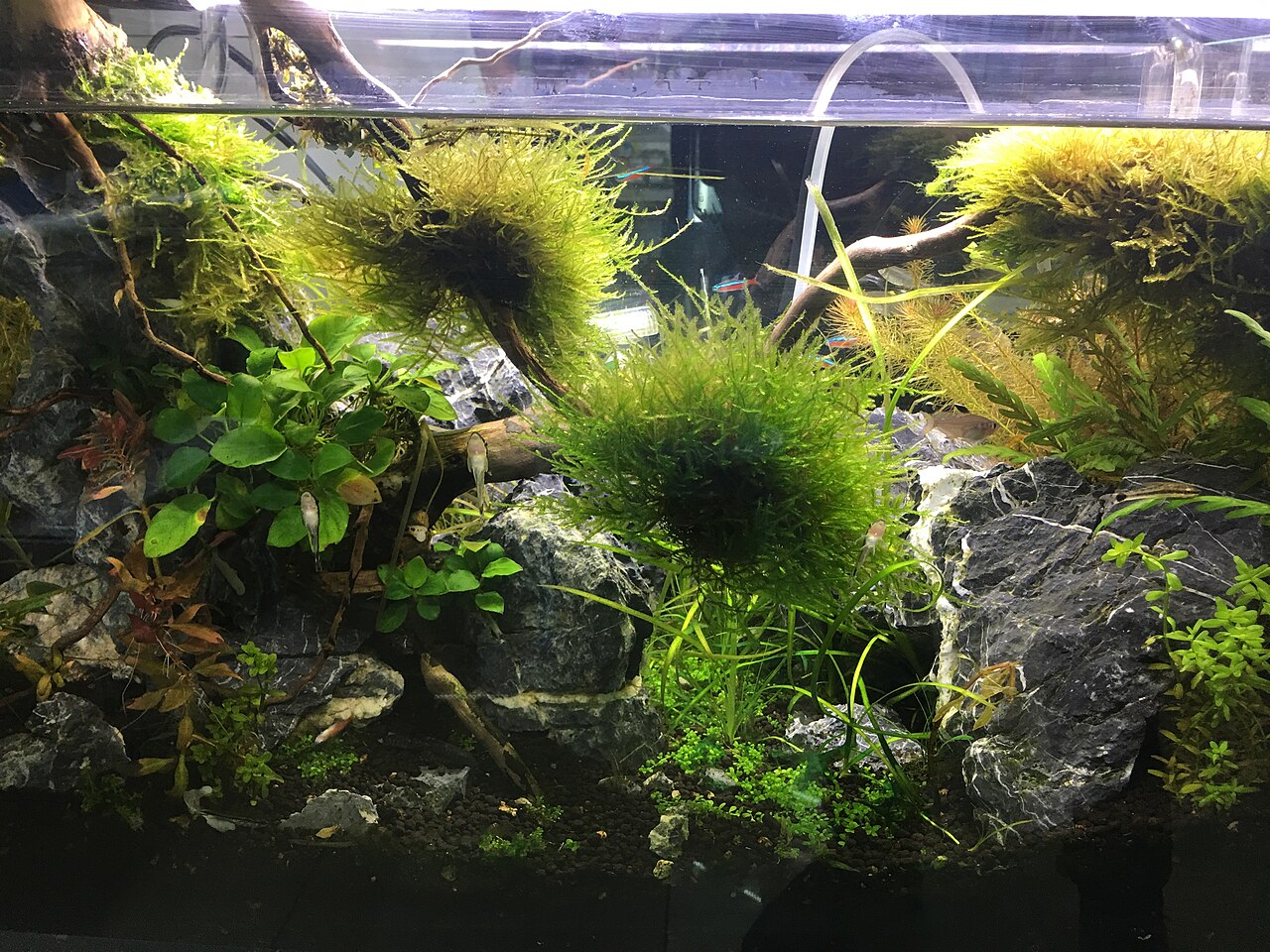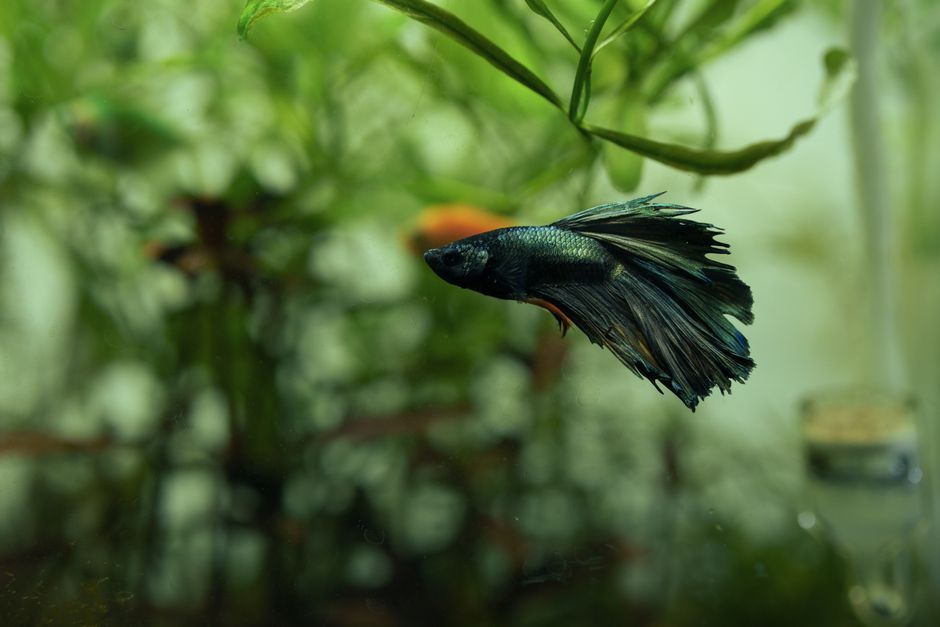
A betta fish in a planted freshwater aquarium

Betta Tank Setup: Building the Right Home for a Siamese Fighting Fish

If you want to set up a tank for a betta properly, here is the whole thing in one sentence: a heated, filtered, cycled aquarium of around twenty litres or more, with a lid, live or silk plants and gentle flow. Everything below is the detail behind that sentence, in the order you actually do it. This is a setup guide, the shopping list and the build, rather than a care guide. I have written the day-to-day feeding, fin health and behaviour side separately in betta care; this piece gets the tank right in the first place, because a good setup prevents most of the problems the care guide then has to solve. ...
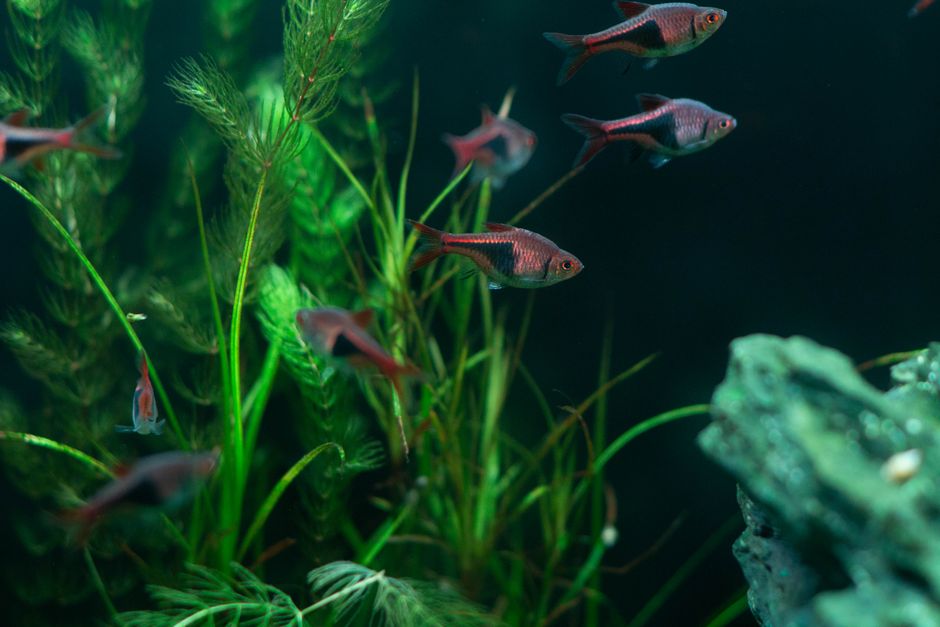
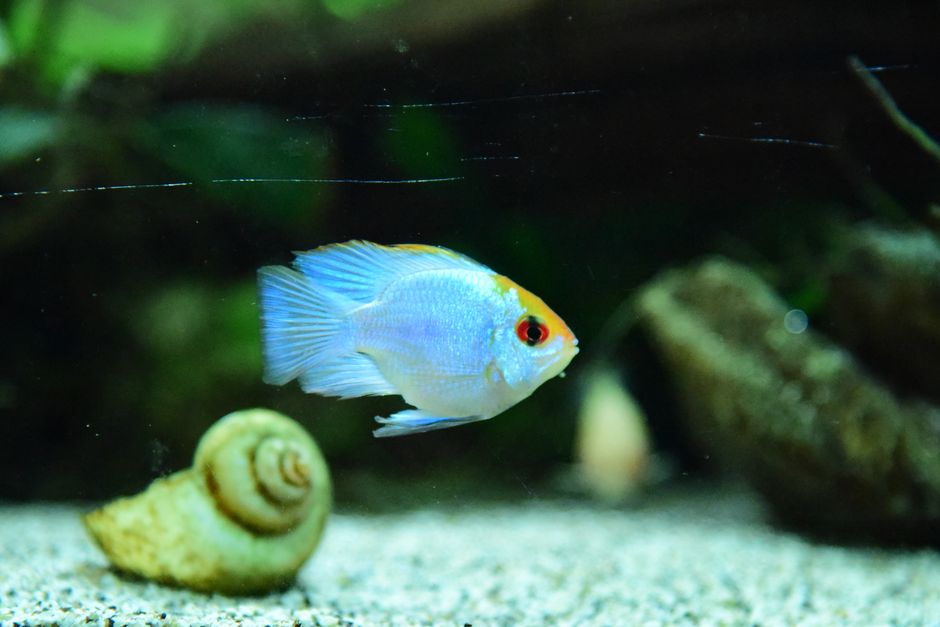
Planted freshwater aquarium with clear water

GH and KH Explained: What Aquarium Water Hardness Actually Means

Water hardness is the part of fishkeeping that sends more beginners into a spin than anything else, and most of the panic comes from muddling two numbers that are not the same thing. GH and KH sit on every test strip, get written into every care sheet, and yet almost nobody explains what they actually measure or which one your fish care about. So here it is, without the fog. GH is the mineral content your fish feel through their bodies. KH is the buffer that keeps your pH steady. They move independently, they do different jobs, and once you can read both, water chemistry stops being a mystery and becomes one of the most useful tools you own. ...

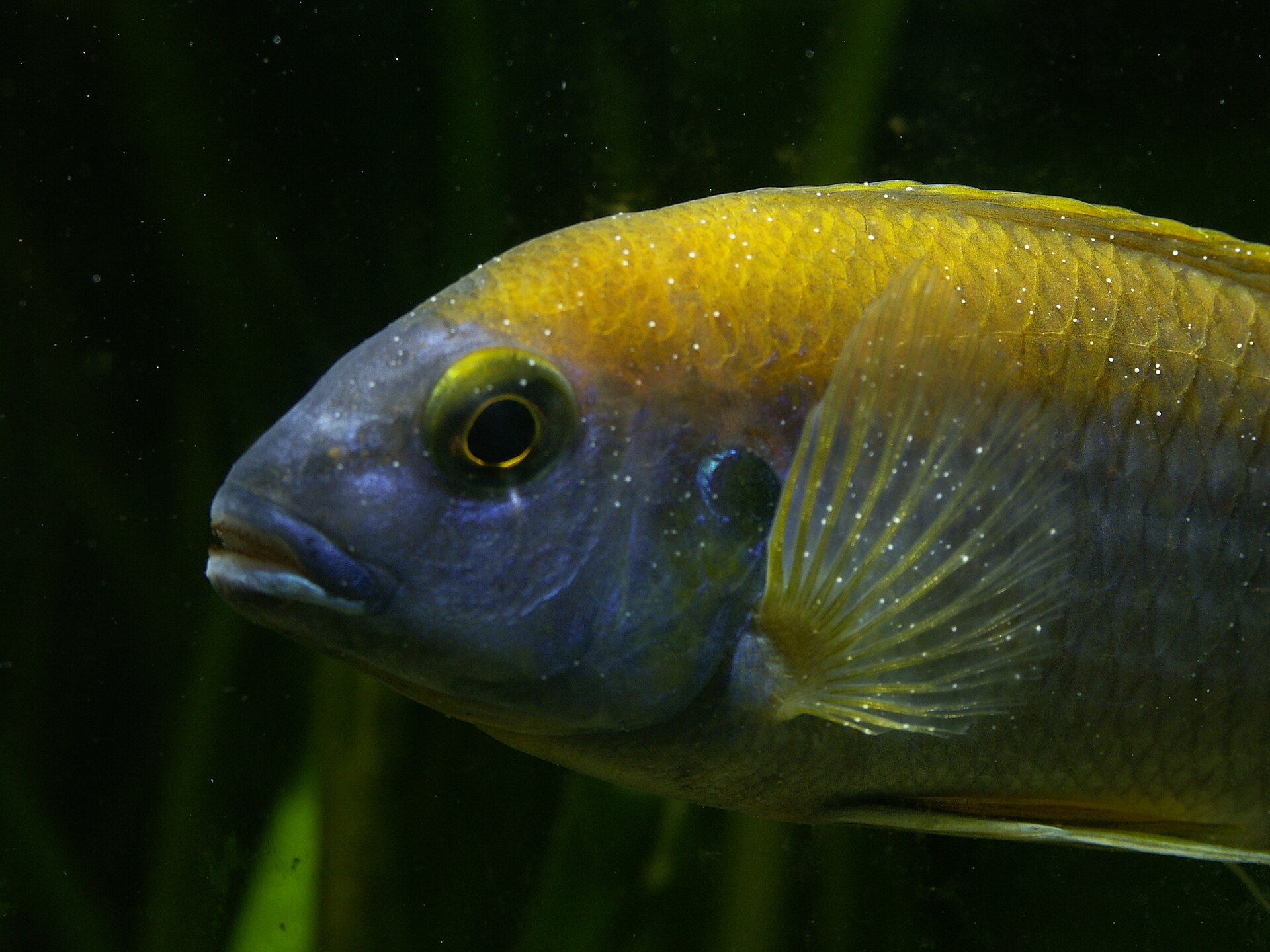
A small striped Tanganyikan shell-dwelling cichlid over sand

Neolamprologus similis: Care and Breeding for the Striped Shell-Dweller

If you have hard, alkaline tap water and you want a tiny cichlid that runs its own colony in a small tank, Neolamprologus similis deserves a place on your shortlist right next to its famous cousin. Similis is a shell-dwelling Tanganyikan, one of the smallest cichlids kept in the hobby, and it does everything the better-known multifasciatus does: it digs, it defends a shell, it breeds inside it and it builds a little society across the tank floor. The main practical difference is the look and the temperament, and both, to my eye, come out slightly in favour of similis. This is the species profile: what it is, how it differs from the multi, and how to keep and breed a colony in water like mine. ...

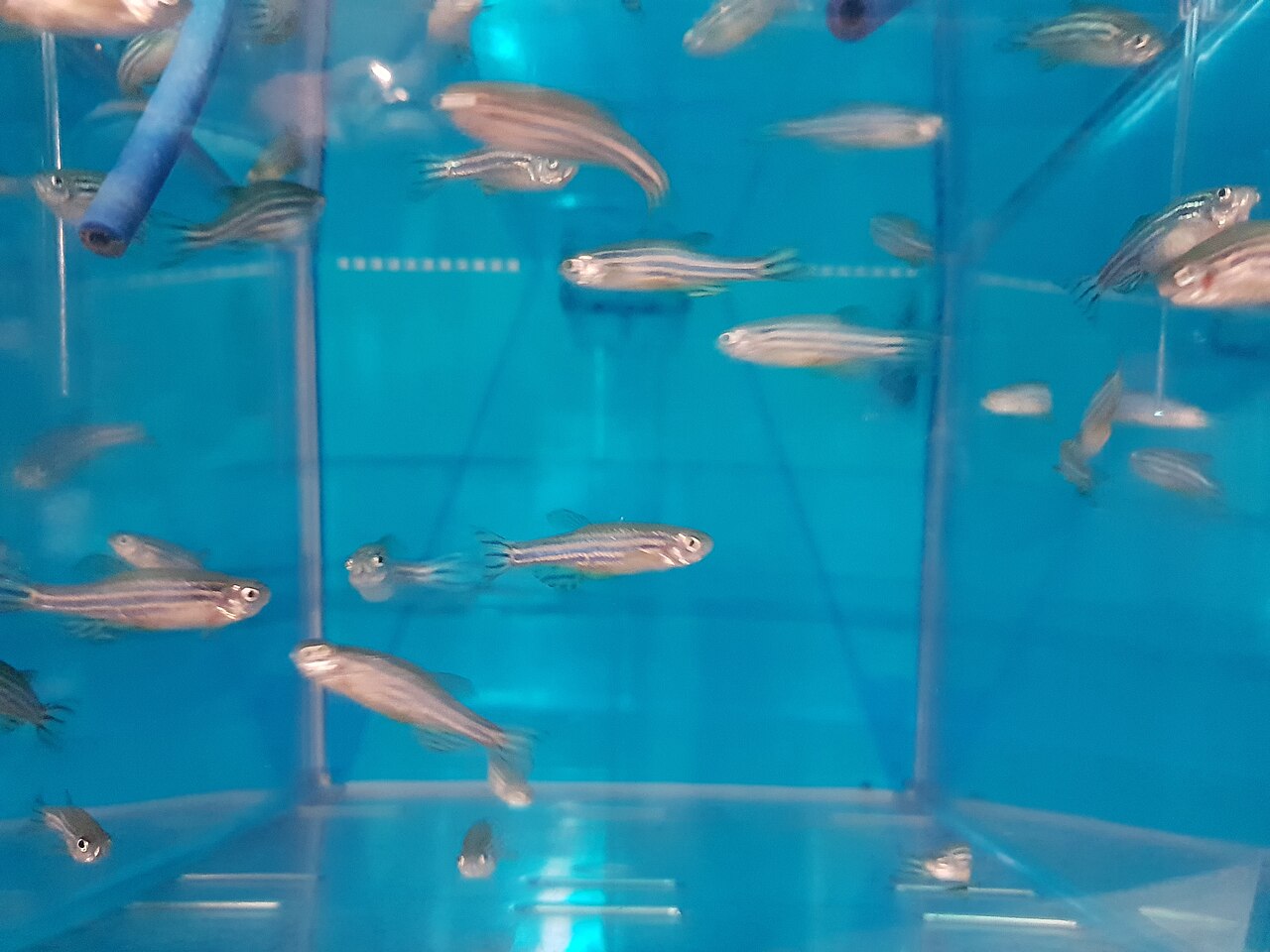
Shoal of striped zebra danios swimming together in an aquarium

Zebra Danio Care: The Tireless Little Fish That Handles Hard Water

Some fish demand careful water and a gentle hand. The zebra danio is not one of them. It is a small, striped, endlessly busy little thing that behaves as though it has drunk far too much coffee, and it is about as forgiving a fish as exists in the hobby. If you have hard tap water and want a lively shoal that adds movement to the upper half of a tank, danios deserve a serious look. I have kept them as a dither shoal in community tanks for years, and they have shrugged off conditions that would have finished more delicate species. ...

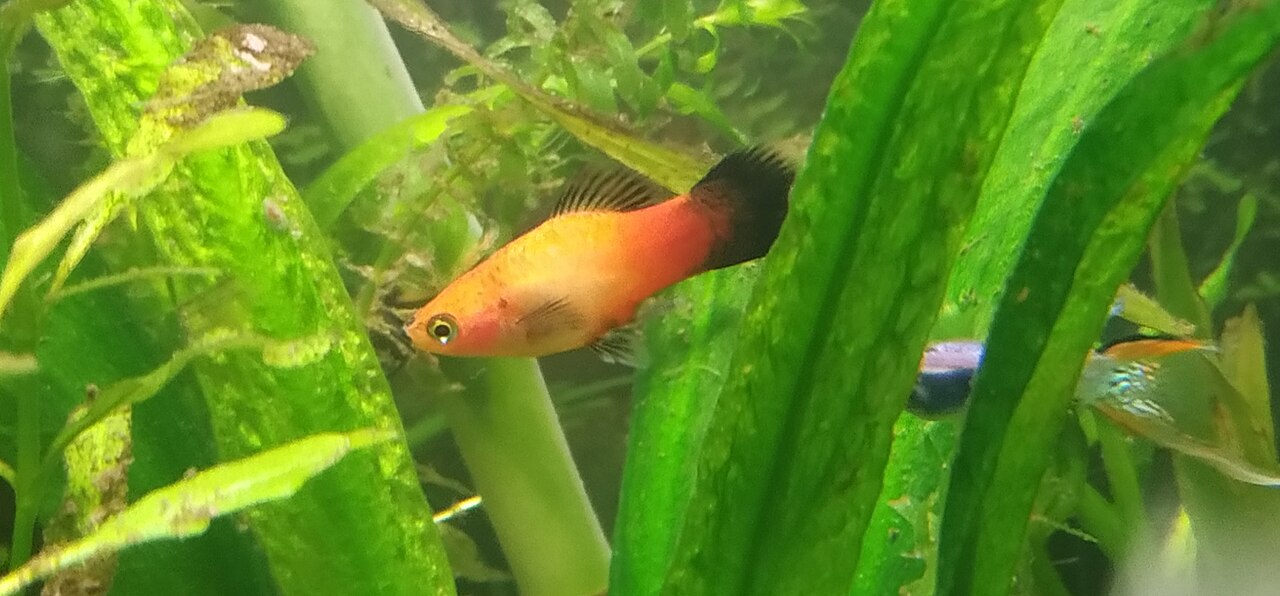
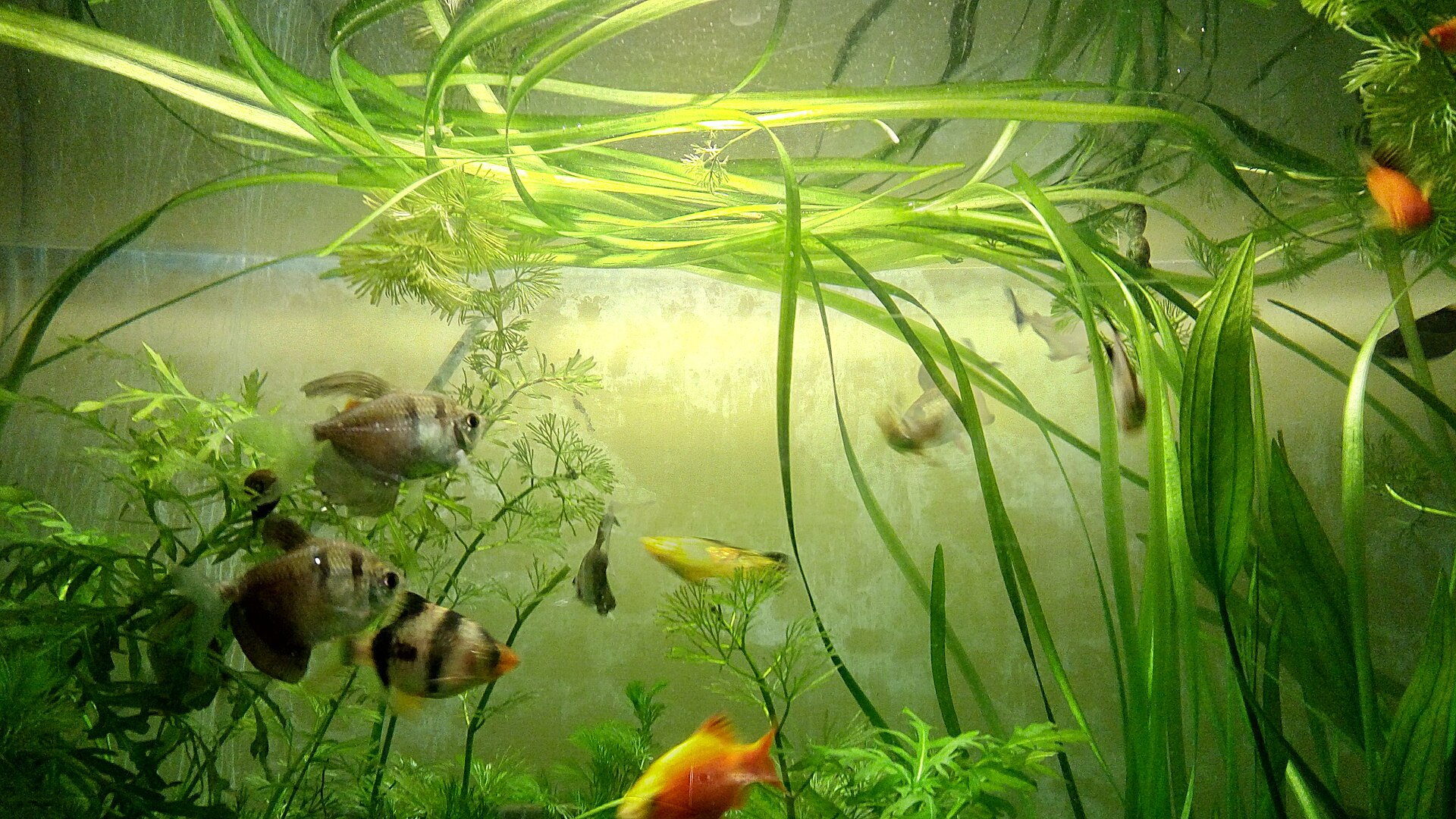
Colourful platy fish swimming in a planted aquarium

Platy Care: A Hardy Livebearer Built for Hard Water

If you have hard, alkaline tap water and you want a fish that looks like a boiled sweet and behaves like it has somewhere to be, the platy is hard to beat. It sits alongside the guppy as one of the two livebearers I recommend most often to people starting out with water like mine, and in some ways I prefer it. Platies are a touch chunkier, a little calmer, and they come in colours that seem almost unreasonable for a fish you can buy for the price of a coffee. I have kept them for years, usually as the middle layer of a community tank, and they ask for very little in return. ...

Aquarium fish covered in the white spots of ich infection

How to Treat White Spot (Ich) in Your Aquarium

Sooner or later most fishkeepers meet white spot, and the first time is a fright. You look at a fish one evening and it is dusted with tiny white grains, as if someone had shaken salt over it. That is ich, short for Ichthyophthirius multifiliis, and it is probably the most common parasitic disease in freshwater tanks. The good news is that it is very treatable if you understand what you are dealing with. The bad news is that people lose fish to it constantly, almost always because they stopped treating too soon. I have cleared it out of my own tanks more than once, and the whole thing comes down to respecting the parasite’s lifecycle. ...

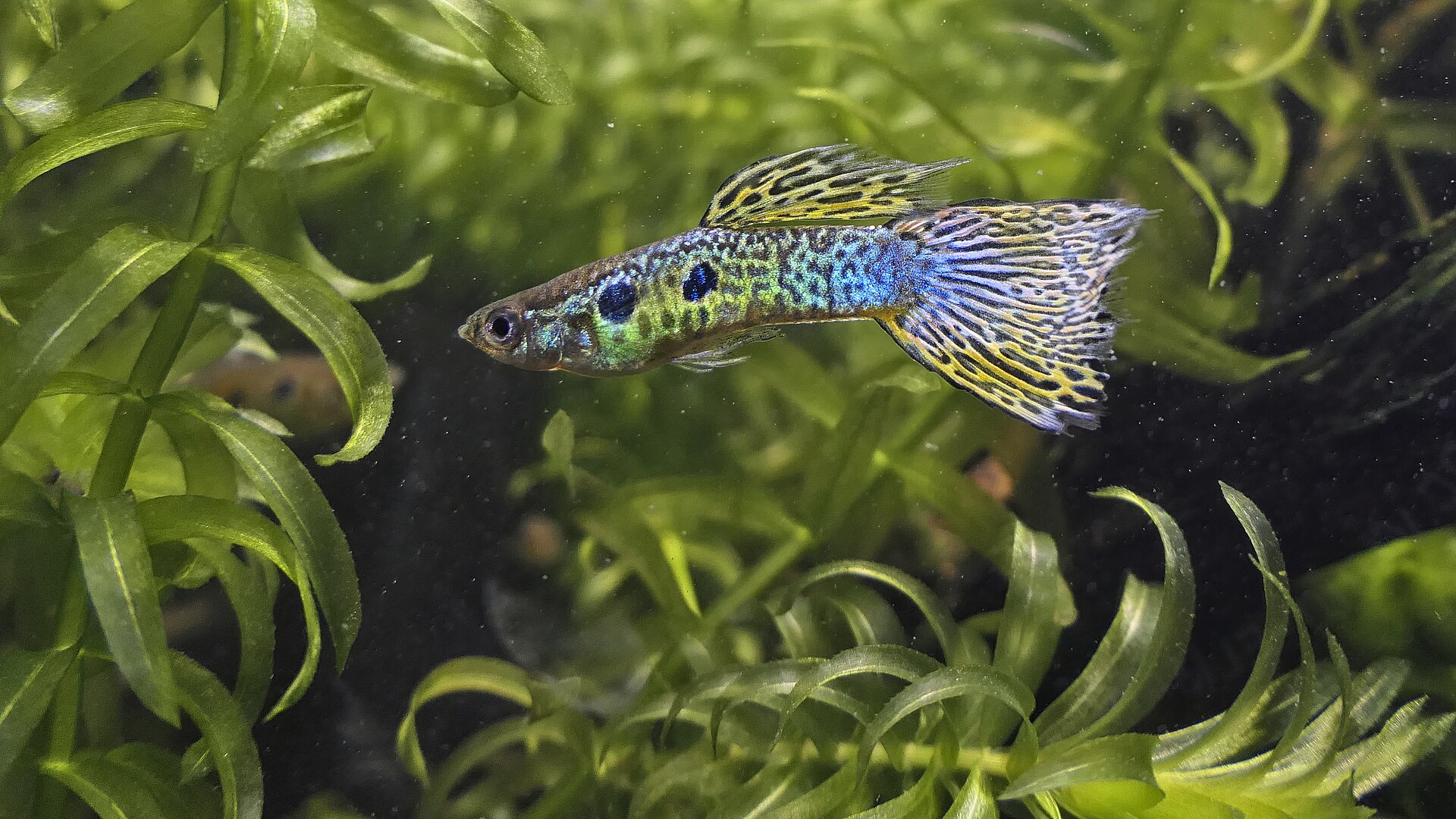
Male guppy showing bright cobra-green colouration

Guppy Care: The Livebearer That Loves Hard Water

If you have hard, alkaline tap water and you want a small, colourful fish that will not just tolerate it but genuinely prefer it, guppies are one of the easiest recommendations I can make. Poecilia reticulata is the fish that got most of us into the hobby, and there is a good reason it keeps turning up in beginner tanks: it is tough, it breeds without any encouragement, and the males look like someone spilled paint. I have kept them on and off for years, and the tank in my kitchen has run more or less on autopilot for the last two. ...

A community freshwater aquarium stocked with several fish

How Many Fish Can I Keep in My Tank?

It is the question every new keeper asks, and the honest answer annoys people because it is not a number. How many fish you can keep depends on which fish, how big they get, the shape of the tank, the filter you run and how often you are prepared to pick up a bucket. What I can do is give you a way of thinking that keeps you out of trouble, and steer you away from the rule that causes most of the overstocked, struggling tanks I get asked to rescue. ...

A planted freshwater aquarium with small fish

The Aquarium Nitrogen Cycle Explained

Most fishkeeping problems, once you dig into them, turn out to be the nitrogen cycle behaving in a way the owner did not expect. It is the single piece of biology that runs your tank, and it is completely invisible, which is why it trips up so many people. My fishless cycling guide covers the practical steps for getting a new tank ready. This piece is the companion to it: what is actually happening in there, and why each stage matters. Understand the cycle and a lot of the hobby stops feeling like guesswork. ...

A planted aquarium with tall Vallisneria growing in hard water

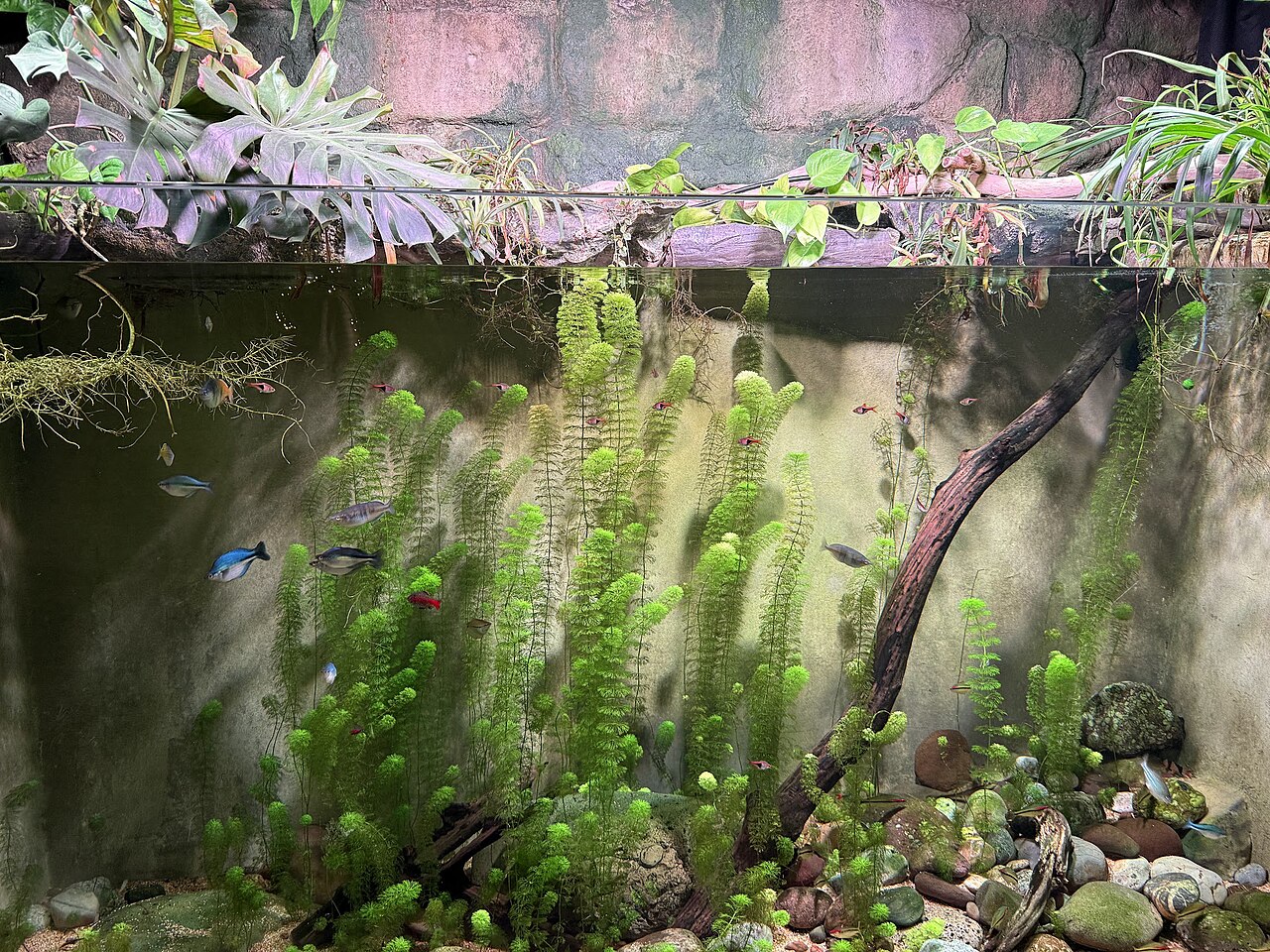
Aquarium Plants That Like Hard Water

There is a persistent worry among new keepers with hard tap water that plants are simply not going to work for them, that a lush green tank is something reserved for people with soft, acidic water and a cylinder of CO2 bubbling away. I had the same fear when I started, staring at water that measures around 22.5 dGH and assuming everything would sulk. It turned out to be almost entirely unfounded. The great majority of the plants sold in shops grow perfectly well in hard alkaline water, and several of the toughest actively prefer it. This is the list I would hand anyone setting up a low-tech planted tank on water like ours. ...