Aquarium Carpet Plants Without CO2: What Actually Works

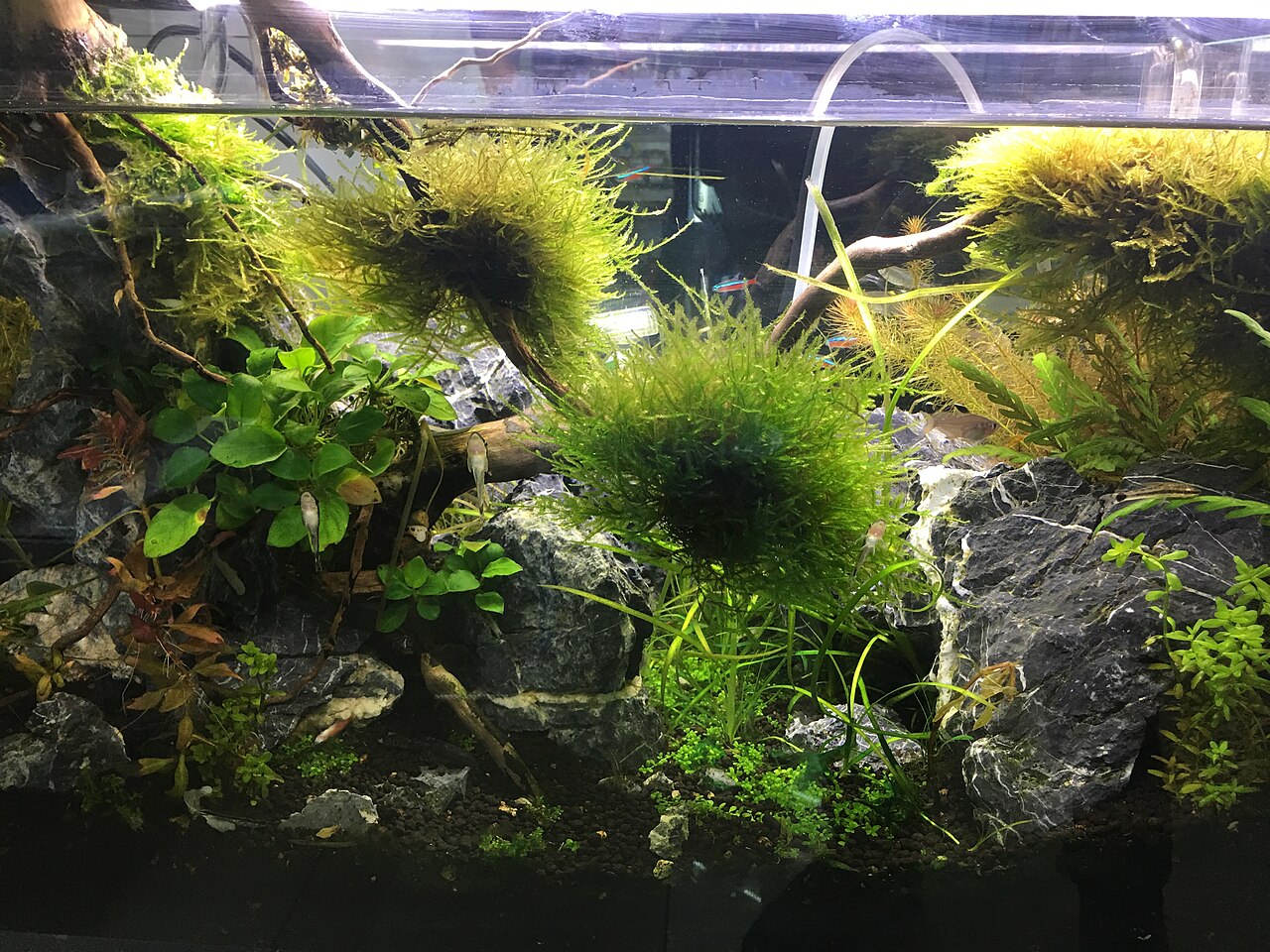
The lush green lawn across the front of a tank is the thing most people want from aquascaping, and it is the thing most people fail at, because the carpets in the photos are almost always grown with pressurised CO2 and strong light. Take those away and most famous carpeting plants either grow tall and leggy reaching for light, or melt away entirely. So before you spend money, here is the honest version: what actually carpets without CO2, what will not, and how I get a low green foreground on hard alkaline tap water. ...
How to Aquascape a Tank: A Practical Start

Aquascaping looks like a dark art from the outside, all competition tanks and Japanese design theory, but the working version is much simpler than the photos suggest. It is arranging hardscape and plants so a tank looks deliberate rather than accidental, then giving it time to fill in. You do not need pressurised CO2, a nature-aquarium philosophy or an expensive light to make a tank that looks good. You need a plan before you start, patience while it grows, and a willingness to accept what your water will actually support. Here is how I approach it. ...

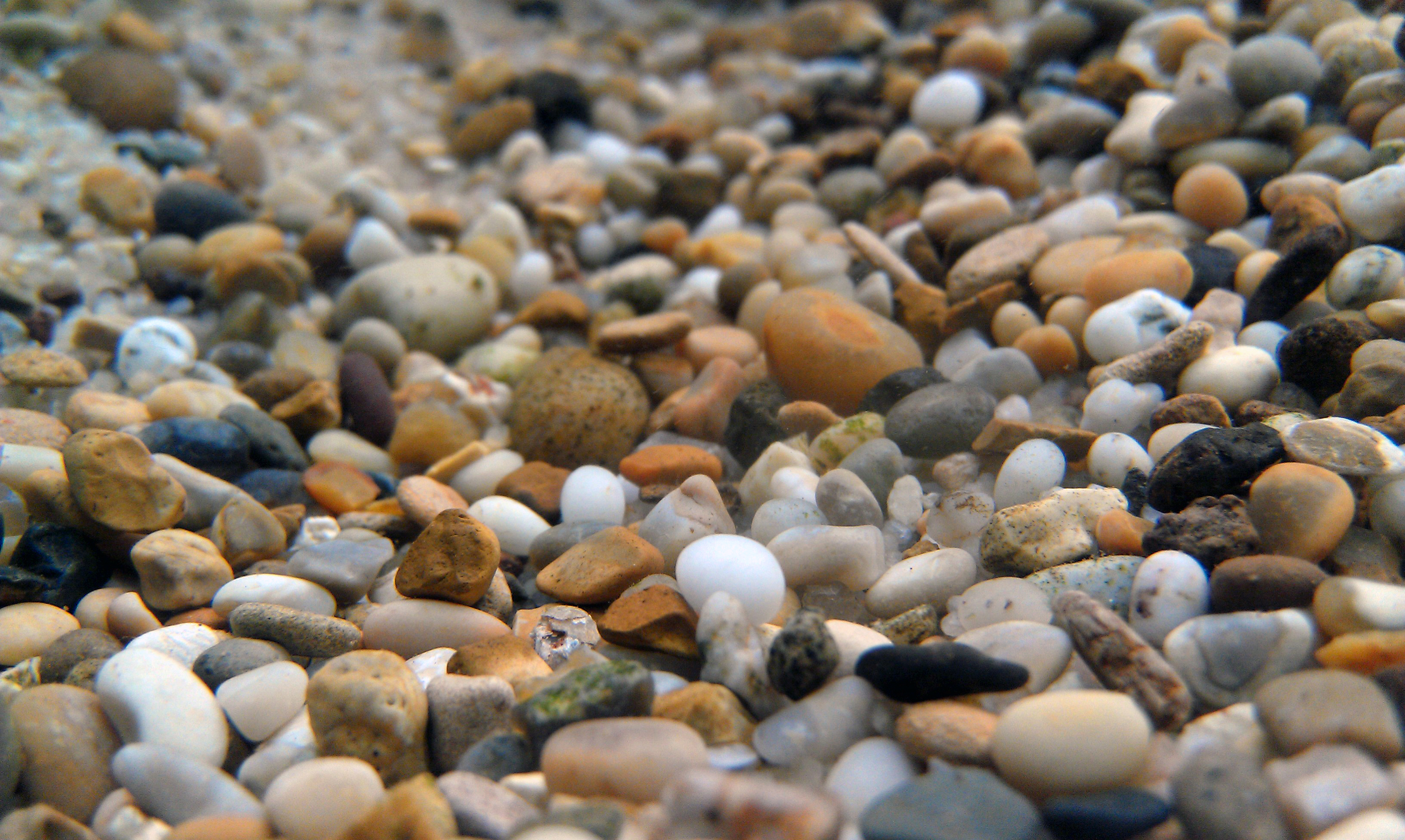
A layer of natural aquarium gravel across the bottom of a tank

Sand or Gravel? Choosing Your Aquarium Substrate

Substrate is one of those decisions new keepers rush and then regret. It goes in at the bottom, quite literally, so it gets treated as an afterthought behind the fish, the filter and the lighting. Then six months later you want to change it, and you discover that swapping substrate in a running tank is a filthy, disruptive job you would rather not repeat. It pays to think it through once, properly. The good news is that the choice is not complicated when you strip it back to what actually affects your fish and your water. This is how I decide, and what I would tell anyone setting up their first tank. ...

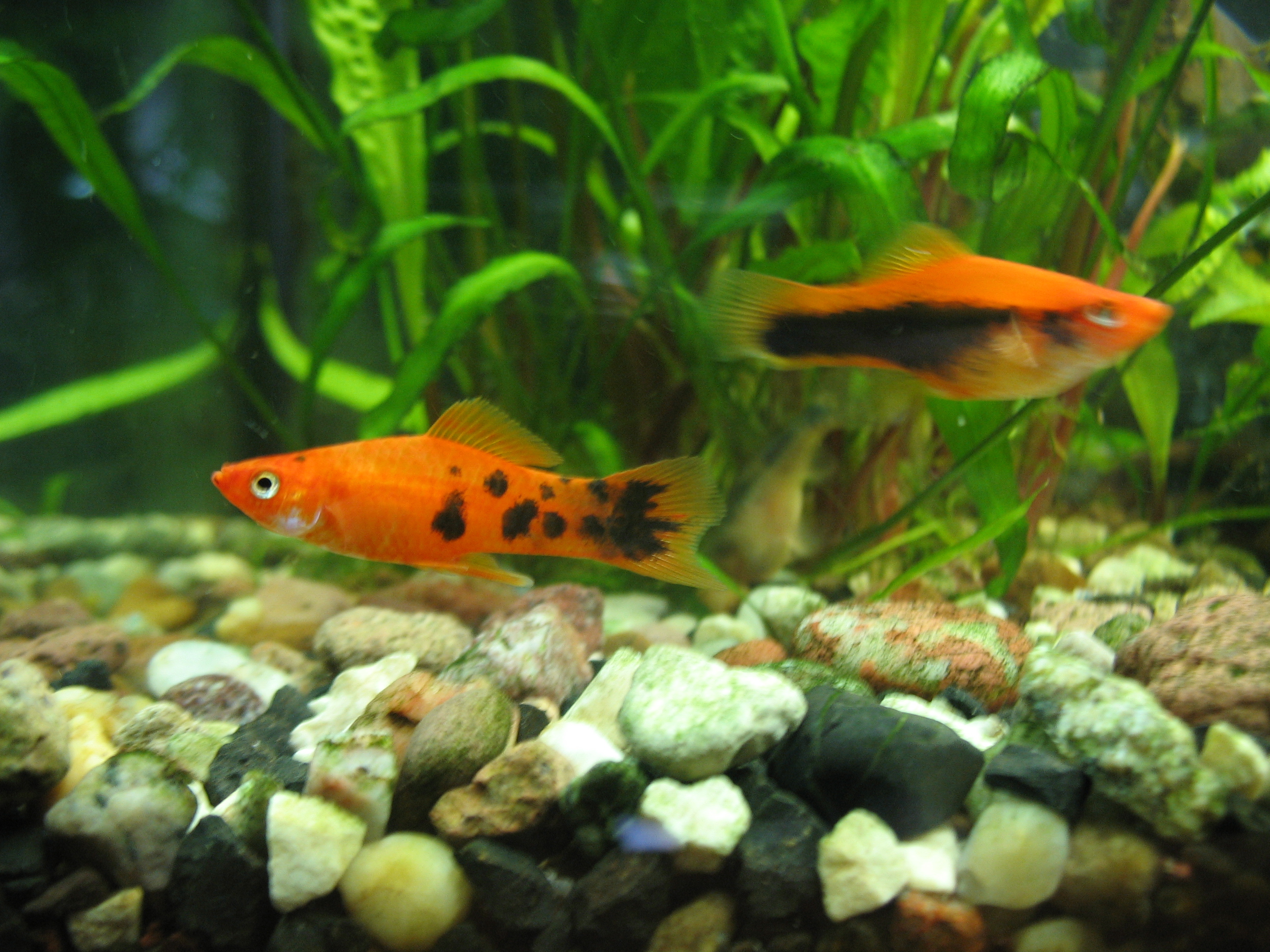
A male and female swordtail, the male showing the long sword extending from his tail

Swordtail Care: A Hardy Livebearer That Loves Hard Water

Swordtails were one of the first fish I kept that felt like they had actual personalities. Where a shoal of tetras drifts around as a single nervous cloud, a group of swordtails will stake out territory, chase each other about, and come barrelling to the front glass the second you walk past. The males carry that unmistakable sword trailing from the bottom of the tail, and a mature red male against a dark background is a genuinely striking thing. Best of all for anyone reading this site, they want exactly the water that comes out of my tap. If you keep hard alkaline water and you want something with a bit more presence than a guppy, swordtails deserve a serious look. Here is how I keep mine. ...

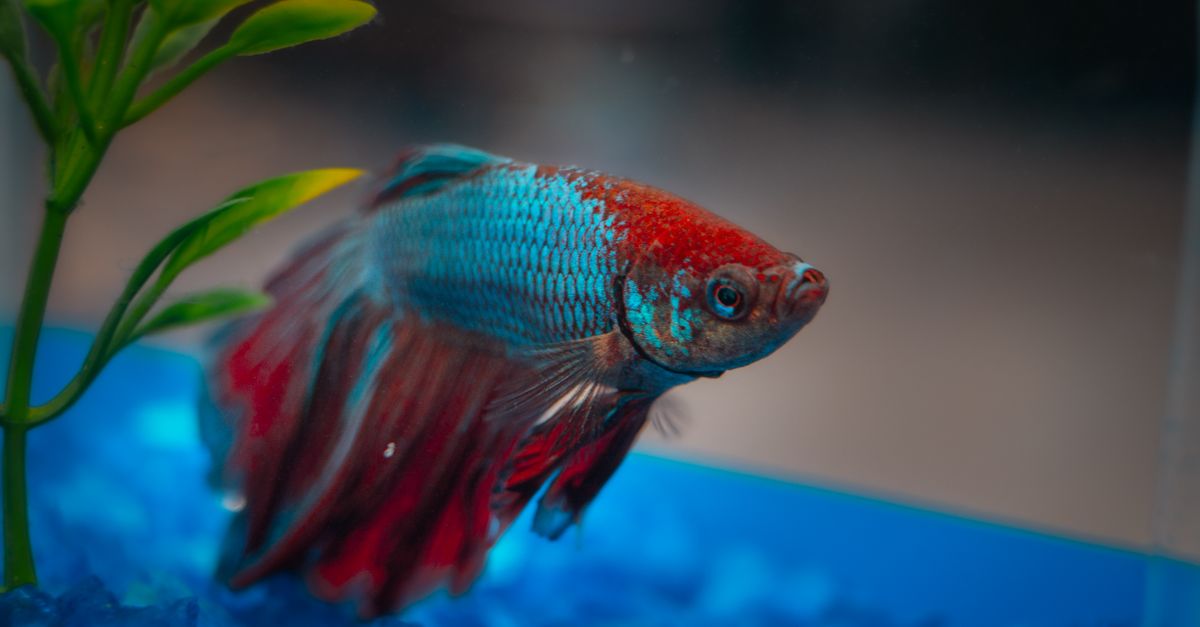
A colourful betta fish in a planted aquarium

What Is the Best pH for a Betta?

The best pH for a betta is around 6.5 to 7.5, close to neutral. That said, a betta cares far more about a stable pH than a perfect one, and chasing an exact figure with chemicals does more harm than the reading you are trying to fix. Bettas are farmed by the million across a wide range of water and adapt to most steady conditions, including hard, alkaline tap like mine. ...

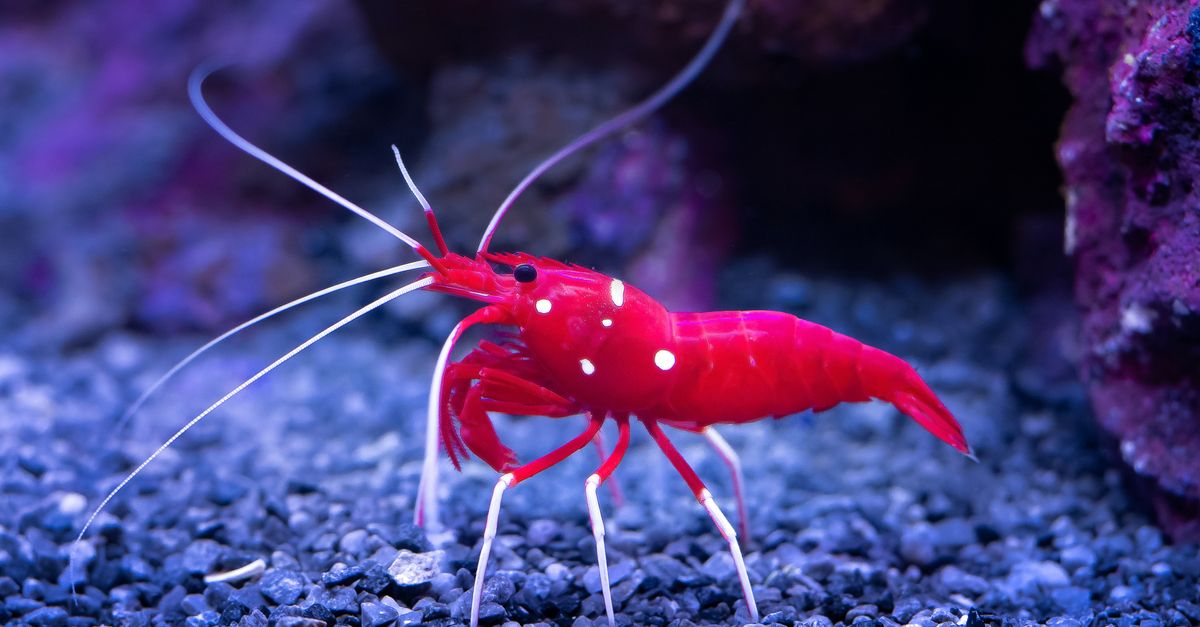
A cherry shrimp grazing in a planted aquarium

Do Shrimp Need a Heater?

Neocaridina cherry shrimp do not need a heater in a normally heated room, because they are comfortable anywhere from about 18 to 26 degrees Celsius. If your room sits reliably in the high teens or low twenties, an unheated shrimp tank is fine, and I run several of mine that way. A heater becomes worth adding only when the room gets genuinely cold or swings sharply between day and night. ...

A shoal of small fish in a planted community aquarium

How Many Neon Tetras in a 10 Gallon Tank?

A 10 gallon tank, which is roughly 40 litres, comfortably holds a single shoal of six to eight neon tetras and nothing else. Neons are shoaling fish that need to be in a group to feel secure, and six is the sensible minimum. Eight is better still. That group fills the tank on its own, so resist the urge to add a second species alongside them. Free PDF ...

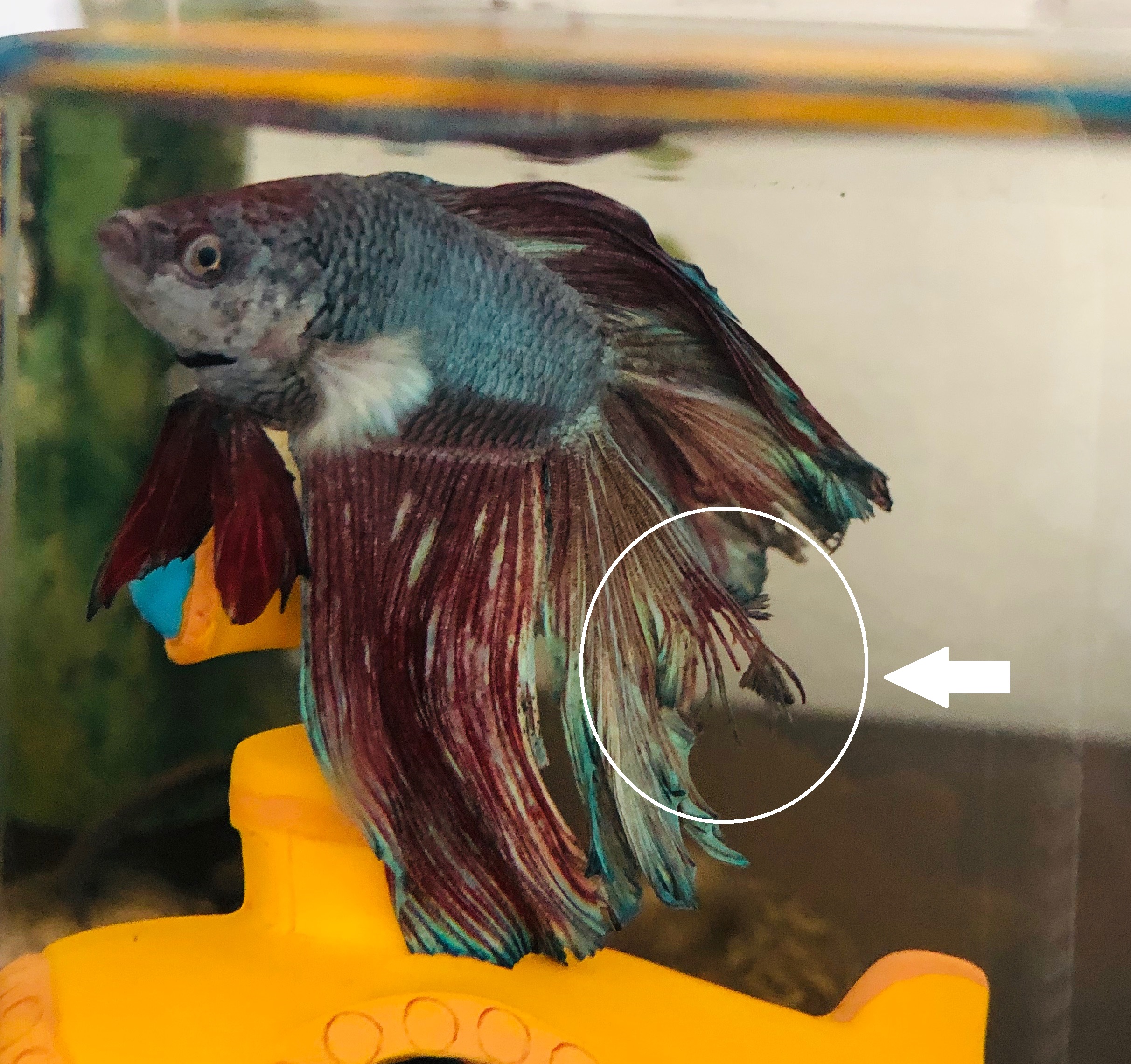
A betta with ragged, receding fins showing signs of fin rot

Fin Rot: What Causes It and How to Actually Fix It

Ragged fins are one of the first things a new keeper panics about, and fin rot is usually the diagnosis they land on, sometimes rightly. I have dealt with it more times than I would like, mostly in my early years when my water changes were casual and my tanks were more crowded than they should have been. The good news is that fin rot is rarely a death sentence and almost never a mystery. It follows poor conditions the way damp follows a leaking roof, and once you understand that, the fix stops being about chasing a magic bottle and starts being about the water. This is how I recognise it, treat it, and keep it from coming back. ...

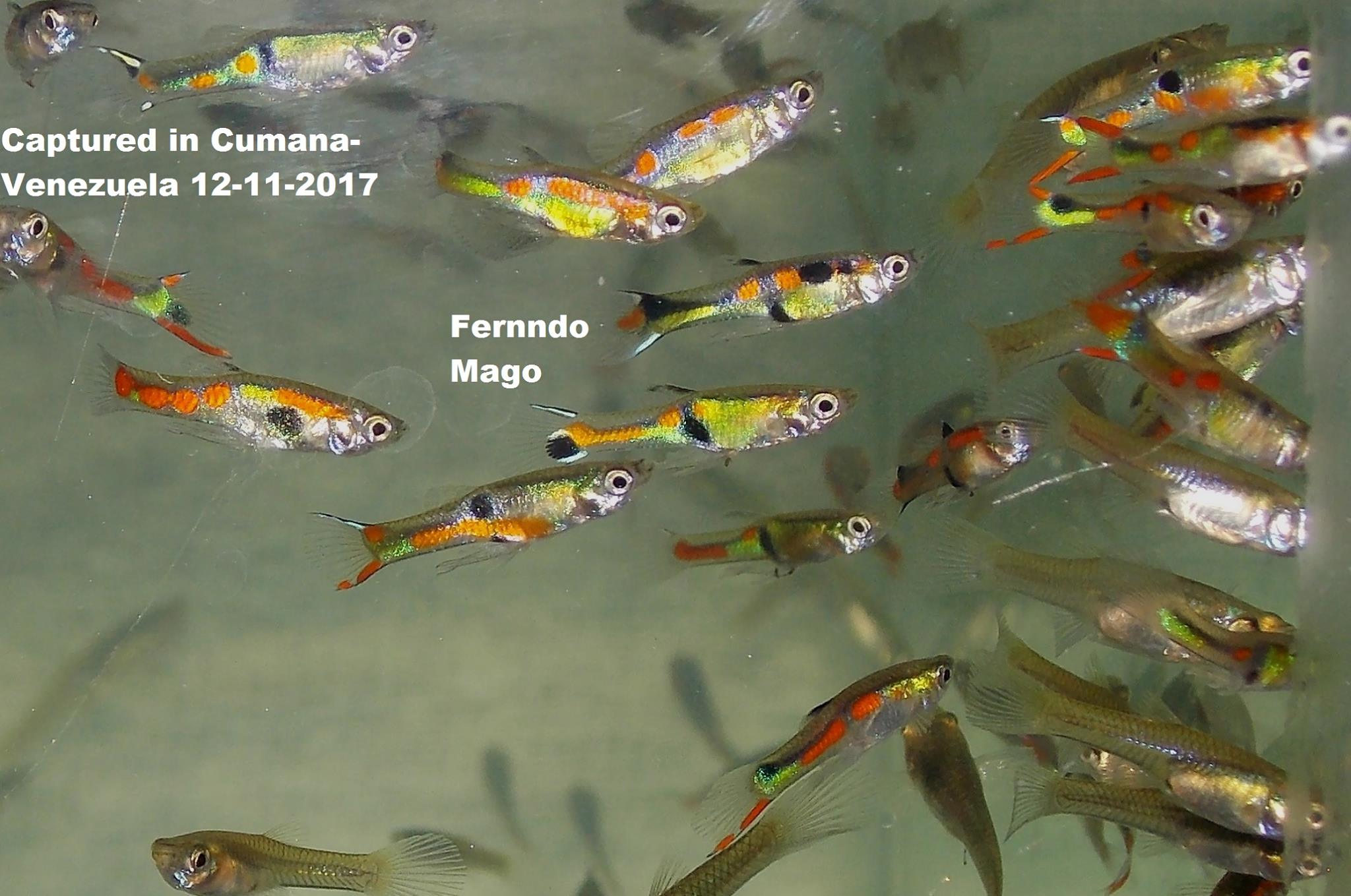
A male Endler's livebearer showing bright orange and metallic green markings

Endler's Livebearer Care: A Tiny Fish Built for Hard Water

If you keep hard tap water and you want a splash of colour that will not sulk in it, Endler’s livebearers are one of the best small fish you can buy. I picked up my first group almost by accident, a handful of unlabelled males in a bag from a local keeper, and they turned a quiet 40 litre into something that stopped visitors mid-sentence. The males look like someone dipped a guppy in metallic paint and then shrank it. They are cheap, hardy, endlessly active, and they thrive in exactly the water that makes soft-water darlings like cardinal tetras miserable. This is how I keep them, what they actually need, and the one habit that will save you a lot of grief later. ...

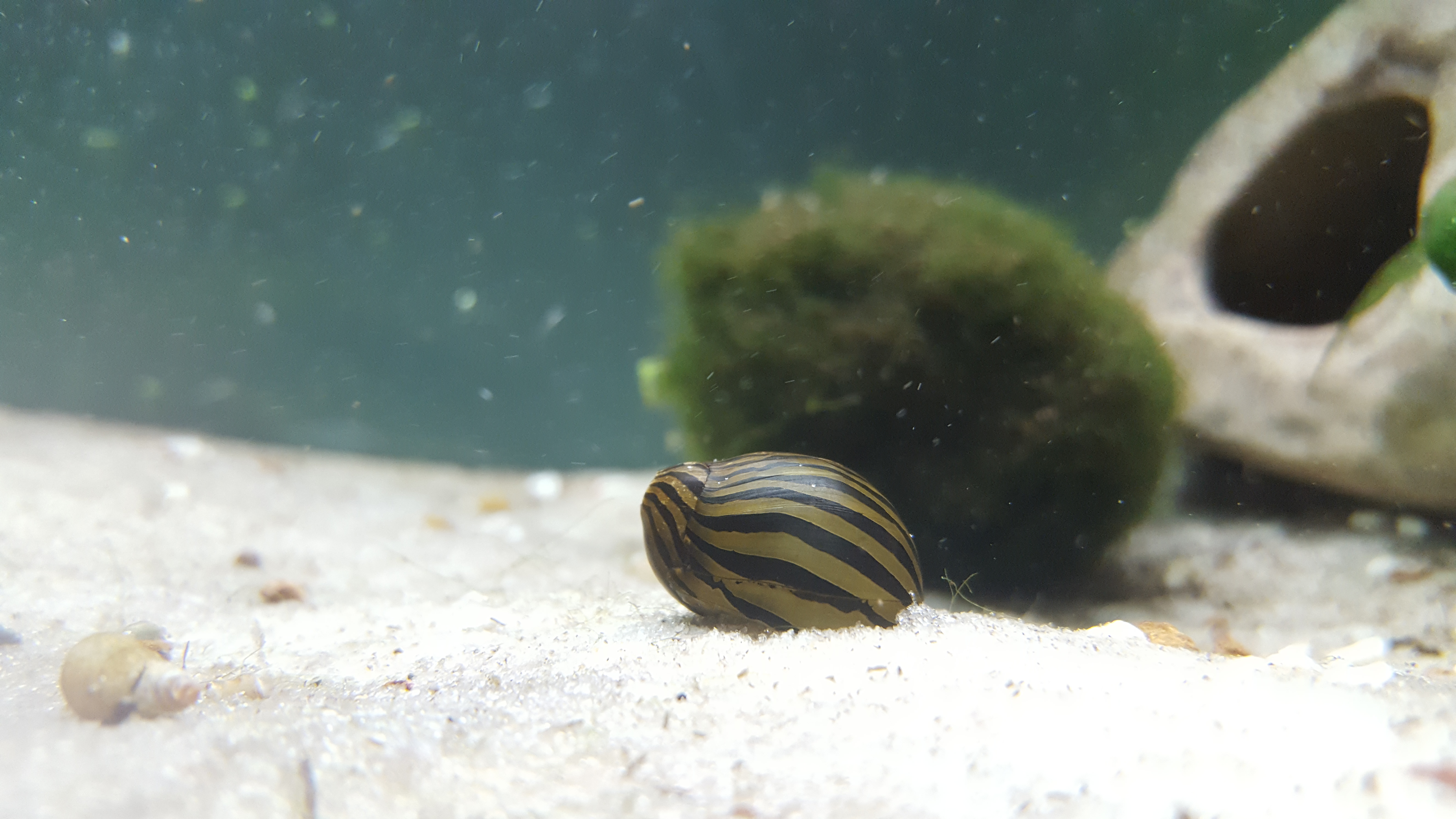
A zebra nerite snail grazing on aquarium glass

Nerite Snail Care: The Algae Eater Built for Hard Water

Of all the clean-up animals I have kept, the nerite snail is the one I recommend without hesitation, and it happens to be a perfect match for hard tap water. Most freshwater snails simply tolerate the minerals in hard water; the nerite depends on them. Those minerals are what keeps its shell hard and smooth, so the very water that troubles soft-water fish keepers is a gift to nerite keepers. If you have algae on your glass and hard water in your tap, this little snail is about as close to a purpose-built solution as the hobby offers. ...