The short answer is empty escargot shells, and more of them than you think. If you buy a bag of catering-grade escargot shells, boil them, and scatter roughly three or four per fish across the sand, you have already done the single most important thing for a happy shell-dweller colony. Everything else on this page is refinement. I run my multies and similis on very hard tap water in shallow, wide tanks, and after a few years of fiddling with different shells I have landed on a setup that keeps the fighting down and the breeding up. Here is what actually works.
Free PDF
Free aquarium water cheat sheet (PDF)
Grab the one-page reference for your tank: target ranges for pH, hardness, ammonia, nitrite and nitrate, plus a plain walkthrough of the nitrogen cycle. No fluff, unsubscribe any time.
Free, unsubscribe any time. The download starts as soon as you sign up.
What a shell-dweller wants from a shell
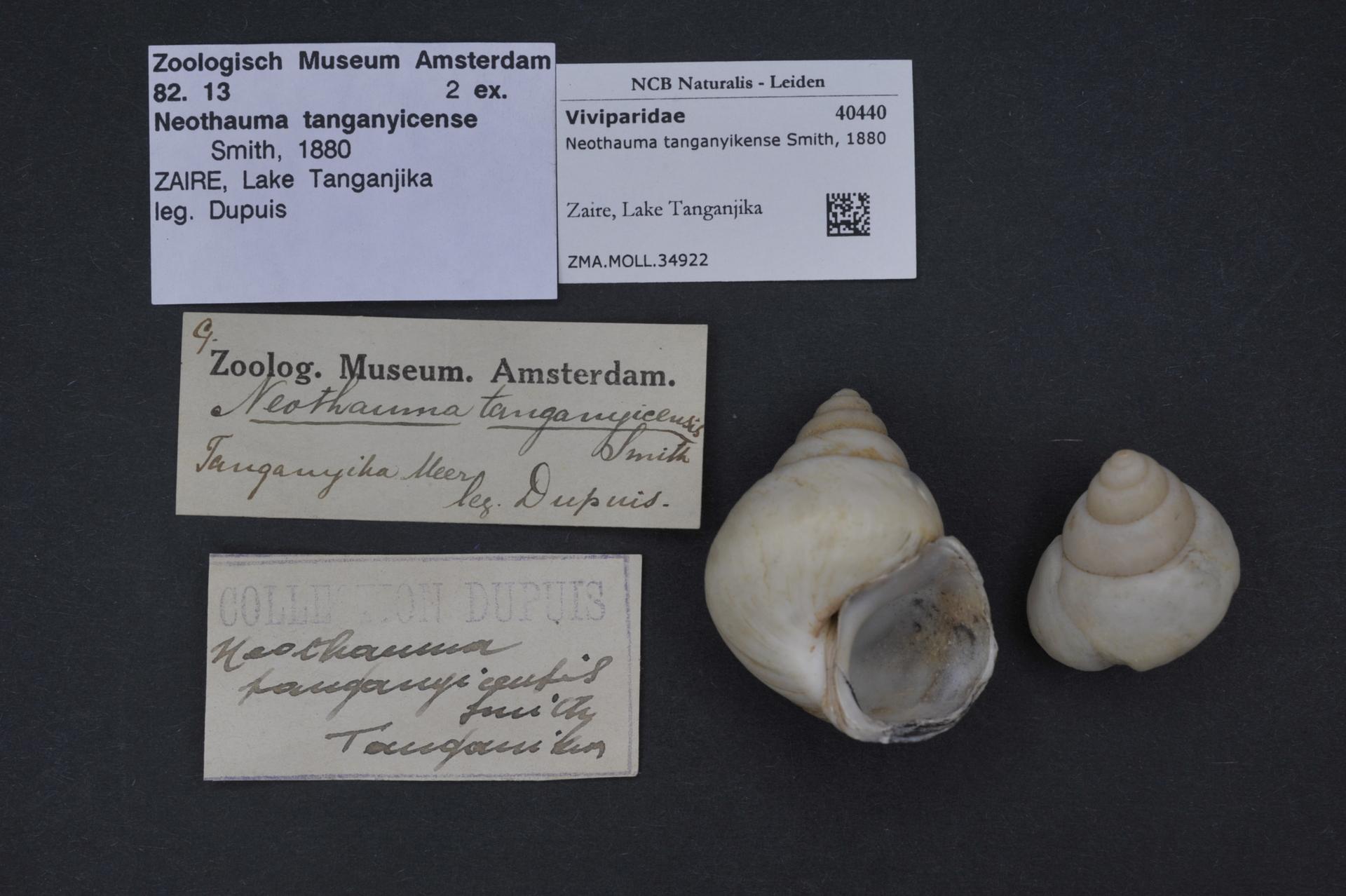
In Lake Tanganyika, these little cichlids live inside the empty shells of a freshwater snail called Neothauma tanganyicense. That shell is round, chunky, with a wide mouth and a coil deep enough for a female to reach up inside and lay eggs where nothing can get at them. It sits at roughly 4 to 5 cm across. Everything the fish does, mating, brooding, hiding, sulking, defending a patch of sand, happens around that shell. It is not decoration for them. It is the whole territory.
You will almost never find real Neothauma shells for sale, and you do not need them. What you need is a stand-in with the same rough shape: a rounded shell with an opening big enough for the fish to slip in and turn around, and a spiral that dead-ends so a female has somewhere private to stick her eggs. Escargot shells fit that description almost perfectly, which is why they became the hobby standard. They are cheap, food-safe, uniform in size, and available by the bag.
If you want the background on the fish themselves before you kit out a tank, I have full care guides for Neolamprologus multifasciatus and Neolamprologus similis, plus a start-to-finish shell-dweller tank setup.
Escargot shells, and the alternatives worth a look
Escargot shells are what I use for the bulk of every tank. The standard catering size, the sort a restaurant buys by the box for serving snails in garlic butter, is about right for multies and similis. They come cleaned and empty, they stack and scatter well, and the fish take to them immediately.
A few alternatives are worth knowing about:
- Apple and mystery snail shells. If you keep large snails and one dies, do not bin the shell. The bigger ones make a good home for an adult female, and they look more natural than a uniform row of escargots. The catch is you rarely get enough of one size to furnish a whole tank.
- Turbo and other sea snail shells. Some keepers use marine turbo shells. They work, but many have a narrow, twisting opening that smaller shell-dwellers struggle with, and a few leach in ways I would rather avoid. I steer clear.
- PVC caps and small clay pots. These genuinely function as spawning sites, and I have seen breeders use them in bare grow-out tanks. In a display tank they look like plumbing, so I only reach for them if I am short of real shells for a night.
For a colony you want to look at as much as keep, plain escargot shells with the odd larger snail shell mixed in strike the best balance of price, function and appearance.
The book behind Lagonia
The Hard Water Aquarium
My practical guide to working with hard, alkaline tap water instead of fighting it: reading your water, choosing and setting up the tank, and keeping and breeding the fish that thrive in it, from livebearers to Rift Lake cichlids and shell-dwellers.
Ad · Amazon affiliate links. I earn a small commission on a purchase, at no extra cost to you.
Sizing the shell to the fish
This trips people up, because the instinct is to buy the biggest shells you can find so the fish have room. That is backwards. A shell-dweller wants a shell it can just fit into and defend, not a cavern. Too large and the fish cannot block the entrance with its body, which is exactly how it feels safe.
For adult multies and similis, standard escargot shells are ideal. If you keep one of the larger shell-dwelling species, say Lamprologus ocellatus or Neolamprologus brevis, size up a little. The rule I go by is simple: the fish should be able to reverse into the shell and vanish, with only its face showing at the opening. If half the fish is still hanging out, the shell is too small; if the fish rattles around inside with room to spare, it is too big for it to hold as a fortress.
Females are much smaller than males in these species, and they are the ones that brood inside the shell, so err towards shells that suit the females. The males will happily flop half-in, half-out of a shell that is snug on them, and that is normal.
How many shells, really
More than the number of fish. Always. The most common reason a shellie tank turns into a war zone is a shortage of shells, because a fish with no spare shell nearby has every reason to fight its neighbour for one.
My working figure is three to four shells per fish as a floor, and I happily go higher. In a small starter colony that means a lot of shells:
- A group of six juvenile multies in a 40 to 60 litre tank: I would put down 18 to 24 shells minimum.
- A settled colony of a dozen fish: 40-odd shells, and I would not blink at more.
The look you are going for is a sand floor that is more shell than sand. Heap them, scatter them, leave some singles and some clusters. The fish will spend the first week rearranging the lot to their own taste anyway, burying some, excavating others, dragging sand out from under the ones they like. Giving them plenty to sort through is what keeps the peace. If you want to sanity-check how many fish that footprint can actually take before you start adding shells for them, the stocking calculator and the volume calculator will keep you honest.
Cleaning and prepping shells before they go in
Escargot shells sold for cooking are clean, but I still prep every batch before it touches a tank. It takes ten minutes and removes any packing residue, dust or the odd bit of shell grit.
My routine:
- Rinse the shells under a hot tap to shift loose debris.
- Drop them into a pan of plain water and bring it to a rolling boil for ten minutes. This sterilises them and floats out anything trapped in the spiral.
- Tip them into a colander, rinse again, and check each opening is clear. A cocktail stick clears any stubborn plug of grit.
- Let them cool and dry, then in they go.
No soap, no bleach, no detergent. Shells are porous enough to hold a trace of cleaning product, and that is not something you want dissolving next to eggs. Boiling water does the whole job. Second-hand shells, or ones you have pulled from a tank that had a health scare, get the same boil for good measure.
One nice side effect of shells in a hard-water tank: they are calcium carbonate, so they very slowly add to the buffering. It is a small effect, nothing you would rely on, but in an alkaline Tanganyikan setup it works with you rather than against you. If you are on soft water and trying to hit Rift Lake parameters, that is a job for proper remineralising rather than shells, and the remineralise calculator is the place to start.
Where I get mine, and what I avoid
I buy plain catering escargot shells in bulk, the kind sold for restaurant use. A single bag has furnished more than one tank for me and they last for years, since a boiled shell does not wear out. Delis, catering suppliers and the usual online marketplaces all carry them. There is no need to pay a premium for anything sold specifically as an aquarium product; a food-grade escargot shell and an “aquarium shell-dweller shell” are frequently the same shell with a different label and price.
What I avoid: painted or dyed shells, anything varnished or lacquered, and cheap decorative shells of unknown origin from craft shops. If you cannot tell what has been done to a shell, it does not go in a tank with breeding fish. Natural, unfinished, food-safe shells only.
Get the shells right and shell-dwellers are one of the most rewarding fish you can keep on hard water. They breed themselves, they run their own tiny society, and most of the drama in a colony traces back to that one question of whether there are enough shells to go round. Buy too many. You will use them.