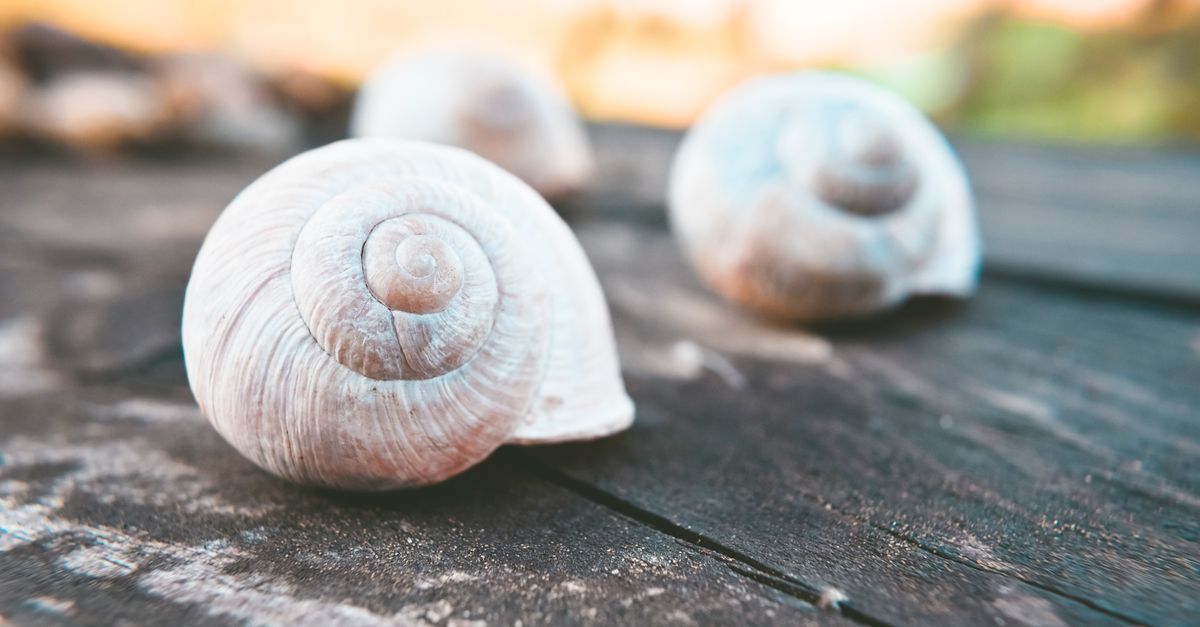
The question I get asked most about my multi colony is what else I keep in with it. The honest answer, in the tank I actually run, is nothing. It is a species-only tank on a bathroom shelf, around fifty litres of hard tap water, sand, a heap of escargot shells and a self-running colony of the smallest cichlid in the world. That is not me being unadventurous. It is the conclusion I came to after thinking hard about what a tankmate is really for, and what it costs the colony to have one.
But “keep them alone” is a lazy place to stop, because the real answer has a condition attached that almost nobody spells out. So here is the full version.
Free PDF
Free aquarium water cheat sheet (PDF)
Grab the one-page reference for your tank: target ranges for pH, hardness, ammonia, nitrite and nitrate, plus a plain walkthrough of the nitrogen cycle. No fluff, unsubscribe any time.
Free, unsubscribe any time. The download starts as soon as you sign up.
The answer is about footprint, not fish
Most tankmate advice you read treats this as a compatibility question: is fish X peaceful enough to live with multies. That is the wrong question first. The right one is how much floor you have.
Multies live in the bottom few centimetres and ignore the rest, which is exactly why people assume there is spare room in the upper water for something else. In a big Tanganyikan tank, that assumption holds. In the tank that actually suits a starter multi colony, a low, wide forty to sixty litres, it does not, because that footprint is already fully spoken for. The whole point of these fish is that they breed and recruit their own numbers until the floor is a working colony. Add the bioload of a second species to a small box and you are not filling empty space, you are taxing a tank that is quietly filling itself.
So the tankmate question splits cleanly in two. In a small shellie tank, the honest answer is a species tank, full stop. It is only once you are running a genuinely larger Tanganyikan setup, ninety litres and up with real length, that a carefully chosen companion becomes sensible rather than a squeeze. Everything below assumes you have that room. If you do not, you already have your answer, and the rest of this is for later.
Why most community fish are the wrong call
Before the shortlist, the disqualifiers, because they rule out more fish than they leave in.
Anything that works the bottom is out. Corydoras, loaches, other digging or sand-sifting fish all compete for the exact stratum the multies defend, and a multi will pick a fight with something ten times its size over a shell it considers its own. Both fish lose that arrangement, one to stress and one to a nipped fin.
Anything that eats fry with enthusiasm is out, and this is the one people underrate. A multi colony’s magic is that it self-recruits: fry appear in the sand craters and slot into the hierarchy without any help from you. Put a keen fry-hunter in the tank and you do not lose the adults, you lose the next generation, quietly, until one day you notice the colony has stopped growing and you cannot say why. A tankmate that eats fry does not break the tank. It sterilises it.
Anything large enough to loom is out, because it keeps the colony pinned in its shells instead of out digging and displaying, which is the entire reason you keep them. And soft-water fish are out on water chemistry alone. This is hard, alkaline, Tanganyikan water at twenty-two to twenty-three dGH. Most of the pretty community fish people want to add are soft-water species that will spend their lives fighting my tap. Match the tankmate to the water or do not bother.
That list removes nearly everything sold as a peaceful community fish. What is left is narrow and specific.
The book behind Lagonia
The Hard Water Aquarium
My practical guide to working with hard, alkaline tap water instead of fighting it: reading your water, choosing and setting up the tank, and keeping and breeding the fish that thrive in it, from livebearers to Rift Lake cichlids and shell-dwellers.
Ad · Amazon affiliate links. I earn a small commission on a purchase, at no extra cost to you.
What genuinely works, in a big enough tank
The only tankmates I would actually put with multies are open-water Tanganyikans that live near the surface and never touch the floor. They occupy the empty water the multies ignore, they share the hard alkaline water, and they leave the shell beds alone.
- Cyprichromis, the open-water Tanganyikan shoalers, are the classic and best answer. They hang in the upper third of the tank in a loose shoal, feed in the water column, and pay the shell bed no attention at all. They do need length to shoal properly, which is why this only works in a bigger tank. Get that and they are close to ideal, a moving upper layer above a busy floor.
- A single Julidochromis or a rock-dwelling shellie of a different genus can work in a larger, well-divided tank, but only with real hardscape separation and an eye kept on it, because these are also bottom-oriented and can contest space. This is the advanced option, not the starter one.
- A small dither shoal of a hard-water surface fish does the modest job of making the multies feel safe enough to stay out in the open, without competing for anything. It is the least interesting choice and the lowest-risk one.
That really is the list. It is short because the constraints are strict, and a short honest list beats a long one full of fish that technically survive while quietly ruining the colony.
Work out whether there is room before you buy
If you are set on a companion, do the boring step first and check the tank can actually carry two species. The stocking calculator gives a sensible read on how much life a given volume supports, and it is worth running before you add anything, because a self-recruiting multi colony is a moving target: the tank that looks half-empty today is planning to fill itself. Budget for the colony you will have in a year, not the handful you see now.
The conclusion I keep coming back to
The best tankmate for a shell-dweller colony, in most tanks people actually own, is no tankmate. Not because nothing is compatible, but because the colony is already the complete display, and a small tank has no spare capacity to spend on a passenger that competes for food, adds bioload and thins the fry. Every ambitious stocking I have seen went the same way: the multies were fine, and the tank was worse.
If you have the length for an upper-water shoal of Cyprichromis above the shells, take it, because that is genuinely lovely and it uses water the multies waste. Short of that, resist. The most rewarding shellie tank I own is the one with nothing else in it, running its own small civilisation on a shelf, asking for nothing but food, water changes and the occasional rehoming of the surplus.