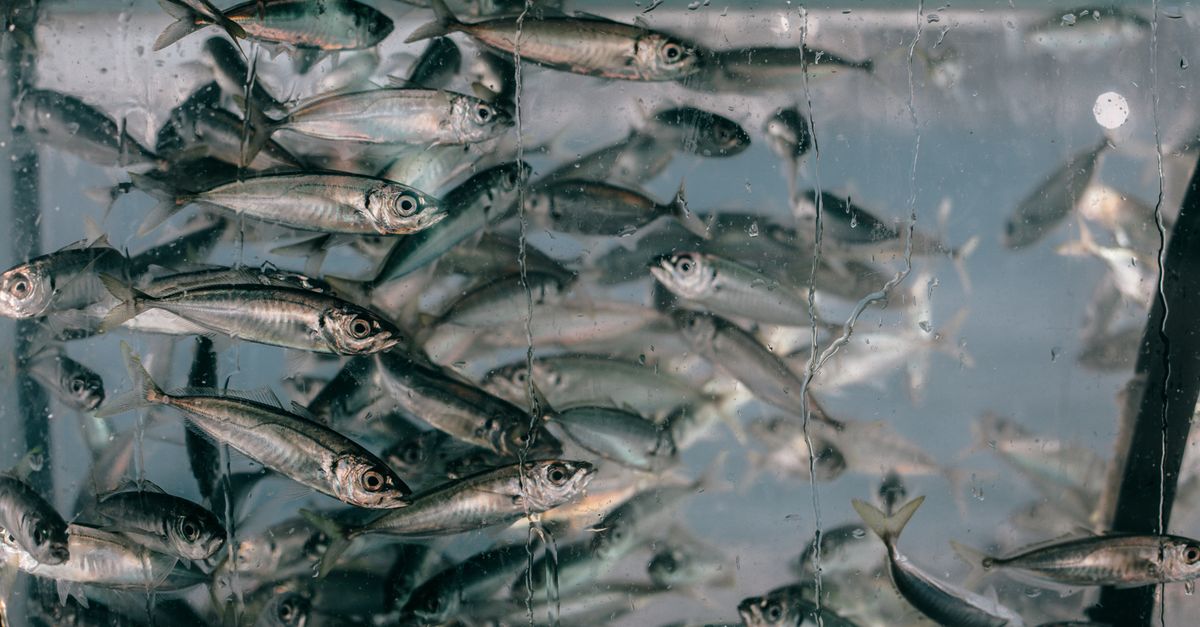
A clean freshwater aquarium

A Realistic Aquarium Maintenance Schedule

Most aquarium maintenance advice is written for an imaginary keeper with one tank and unlimited enthusiasm. Real life is different: some weeks you have twenty minutes for the fish, some weeks you have two, and any schedule that demands perfection will be abandoned by March. Running several tanks plus outdoor tubs has forced me to figure out what actually needs doing, what can slide, and what should never be done at all. The short version: a tank needs a small amount of genuinely regular work, mostly water changes, and it is harmed by heroic irregular work. Here is the schedule that survives contact with a normal life. ...
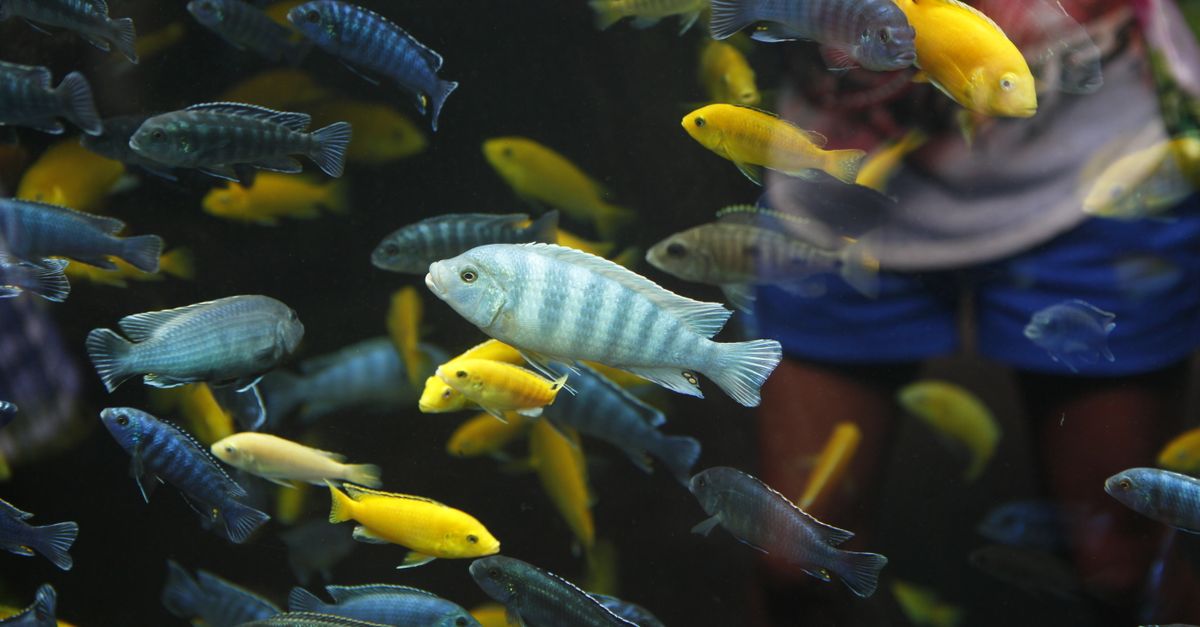
A cichlid in an aquarium

Kribensis: A Hardy, Colourful First Cichlid

If you want to keep a cichlid that behaves like a cichlid, guarding a cave, herding a cloud of fry across the tank, flaring at anything that comes near, without needing a huge tank or fancy water, the kribensis is the classic answer and it still holds up. Pelvicachromis pulcher is a West African dwarf cichlid from the rivers and drainage ditches of southern Nigeria and Cameroon, farmed in vast numbers for the hobby, and forgiving of almost everything a beginner will throw at it. The female’s cherry-red belly, which brightens rather than fades when she is ready to spawn, is one of the best colours available in an easy fish. ...

A catfish in an aquarium

Bristlenose Pleco: The Algae Eater Worth Keeping

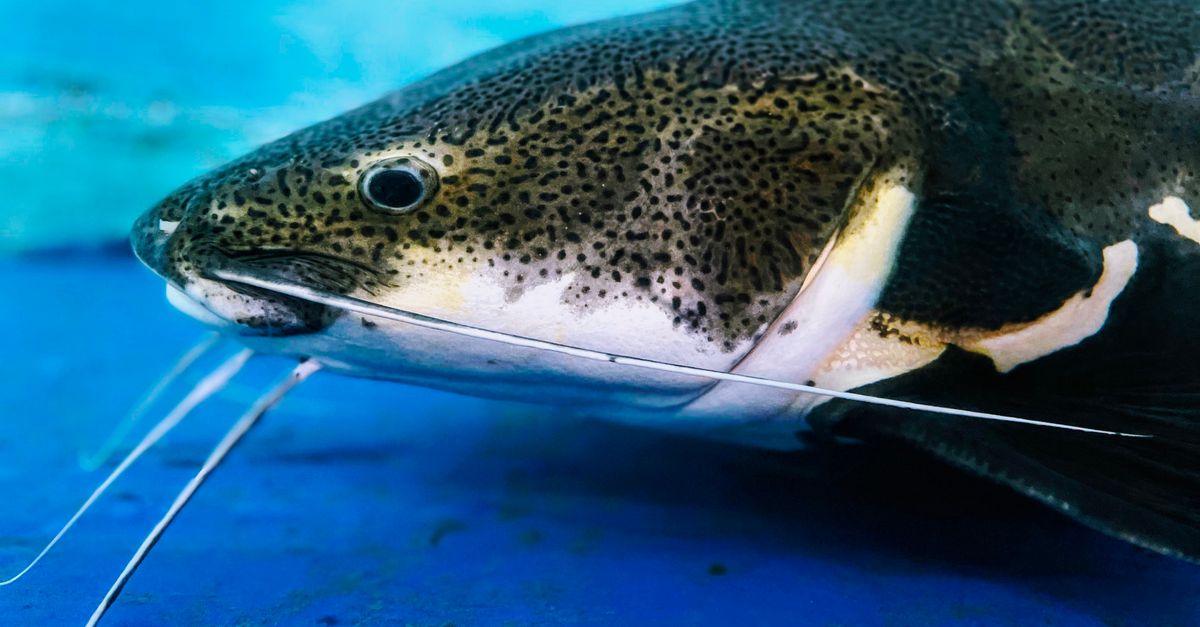
Ask in a shop for an algae eater and you will usually be pointed at a pleco. The trouble is that “pleco” covers everything from a 10 cm cave-dweller to a half-metre monster, and the cheap ones on the bottom shelf are very often the monster. The bristlenose pleco, sold as Ancistrus sp. or Ancistrus cf. cirrhosus, is the one that actually belongs in an ordinary home aquarium. Mine spend their days rasping the glass and the wood, spawn in caves without being asked, and have never outgrown their welcome. If a suckermouth catfish is going in your tank, make it this one. ...

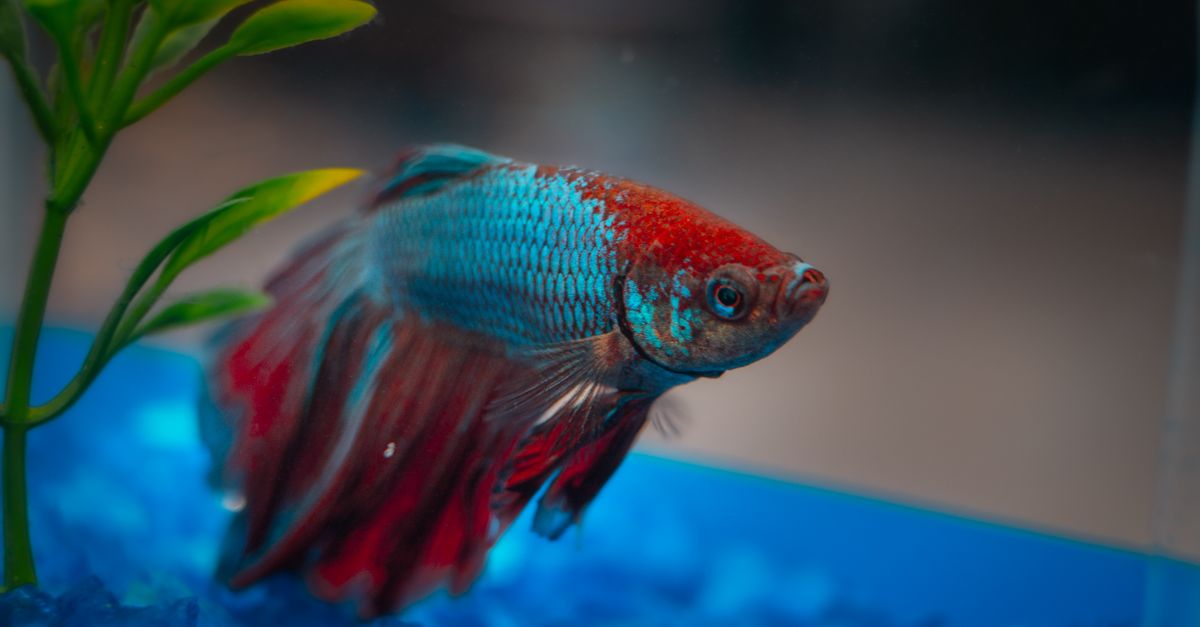
A colourful betta fish

Betta Care: Giving a Siamese Fighting Fish a Proper Home

The betta, Betta splendens, is probably the most mistreated fish in the hobby, and not out of malice. Shops sell them in cups, the internet is full of vase setups, and the myth persists that because wild bettas live in puddles, a jar on a shelf is fine. Wild bettas live in rice paddies, marshes and slow floodplains, which are shallow but enormous, warm all year and full of cover. The puddle story comes from the dry season, when getting trapped in one is the worst thing that can happen to a betta, not its preferred address. I keep bettas on my desk in proper heated, filtered tubs, and the difference between a betta in decent conditions and one in a bowl is the difference between an active, curious, flaring fish and a listless one clamped in a corner. ...

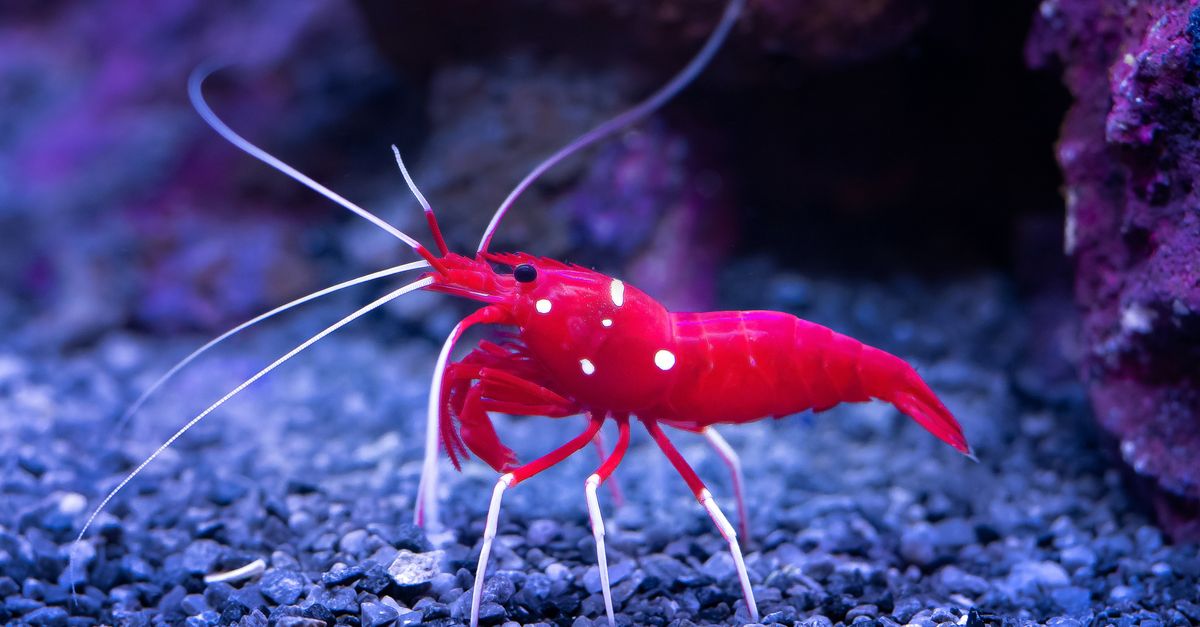
A red cherry shrimp in an aquarium

Cherry Shrimp: Care, Breeding and Why Hard Water Suits Them

Cherry shrimp were one of the best additions I ever made to my fishroom, and one of the cheapest per animal once the colony got going. Neocaridina davidi, to give them their proper name, are small dwarf shrimp from Taiwan that have been selectively bred into red, orange, yellow, blue and near-black lines. Buy ten, look after them, and within a year you can have hundreds without doing anything clever. In my very hard tap water, around 22 to 23 dGH, they do not merely survive. They moult cleanly, colour up well and breed constantly. If your water is hard and you have been told it limits you, shrimp are one of the animals it actively favours. ...