Aquarium maintenance

Aquarium Water Changes: How Much, How Often, and How

Water changes are the least glamorous job in fishkeeping and the single most useful one. I have kept tanks for years, from heavily stocked cichlid setups to a lightly planted 60 litre that mostly runs itself, and if I could hand a new keeper only one habit, it would be this: pick a day, change a decent chunk of the water, and do it every week whether the tank looks like it needs it or not. Filters get all the attention because they are the expensive bit of kit, but a filter only converts waste from one form to another. It does not remove it. That job is yours, and it involves a bucket. ...
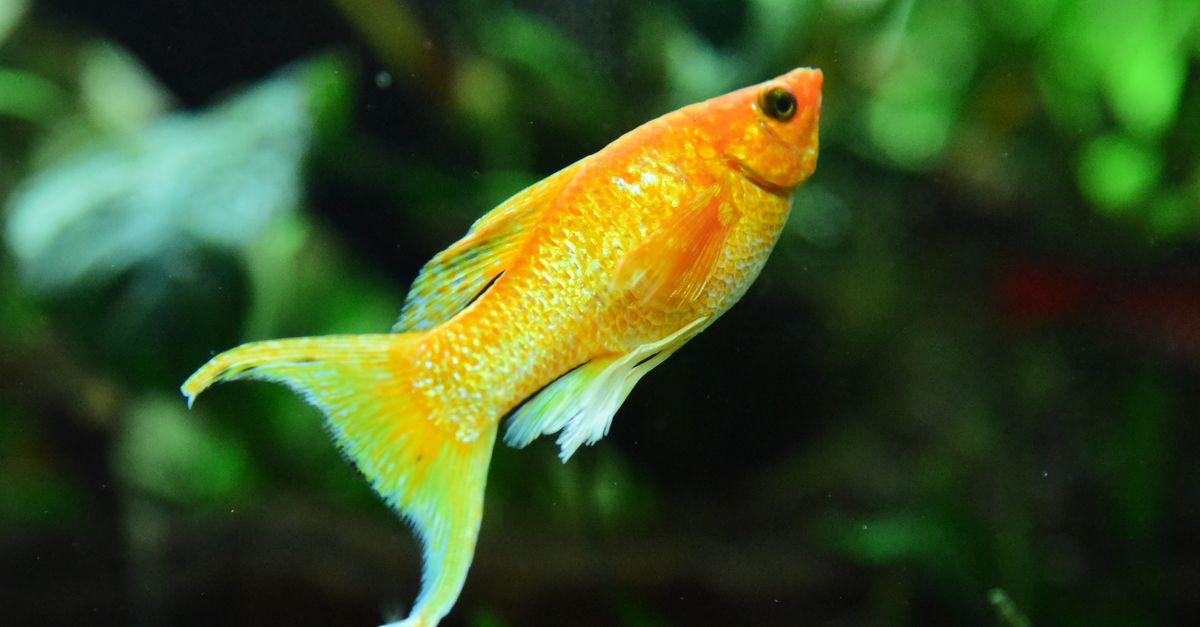
A swordtail, a common livebearer, in an aquarium

Breeding Livebearers: Guppies, Endlers and Mollies

If you want to breed fish, start with livebearers. Guppies, endlers, mollies and platies do not need conditioning, spawning triggers, egg guarding or artificial hatching. They need a male, a female and water. I keep a line of endler and guppy crosses that has been running for generations in one of my tanks, and my honest job as their keeper is not persuading them to breed. It is deciding what happens to the results. That second part is where this article will spend some honest time, because most breeding guides gloss over it. ...

Green algae in a freshwater aquarium

Aquarium Algae: The Common Types and How to Beat Each One

Every tank I have ever run has grown algae. The lovingly scaped planted tank, the bare quarantine tub, the shrimp bowl on my desk, all of them. So before anything else, let go of the idea that algae means you have failed. It does not. Algae is what happens when light and nutrients are available and nothing else is using them fast enough. The trick is not eradication, because eradication is impossible. The trick is identification. Each common type of algae points to a specific imbalance, and once you can read the signs, you can fix the cause rather than endlessly scrubbing at the symptom. ...

A home aquarium with fish

Choosing an Aquarium Filter: Sponge, HOB, Canister or Internal

Filter shopping is where a lot of beginners get fleeced, not because the filters are bad but because the marketing answers the wrong question. Boxes shout about carbon cartridges, five-stage systems and crystal-clear water, when the only question that matters is: how much surface area does this thing give the bacteria, and how much water does it move past them? I run every major filter type across my tanks, from air-driven sponges on shrimp and fry tanks to a canister on the big community tank, and the honest news is that all of them work. The job is matching the type to the tank, not finding the mythical best one. ...

Aquarium filter media

Aquarium Filtration Explained: Types, Media, and How Much You Need

Filtration is the subject I wish someone had explained to me properly when I started keeping fish, because almost everything printed on filter boxes is marketing and most of what actually matters never gets mentioned. I have run sponge filters, hang-on-backs, internals, canisters and one homemade monstrosity built from a bucket, and the tanks that stayed healthy were never the ones with the most expensive equipment. They were the ones with the most bacterial real estate. That is the whole game. A filter is not a machine that cleans water in any meaningful chemical sense. It is a house for bacteria, with a pump attached. Once you see it that way, every decision about types, media and sizing gets much easier, so that is the frame I will use for this article. ...

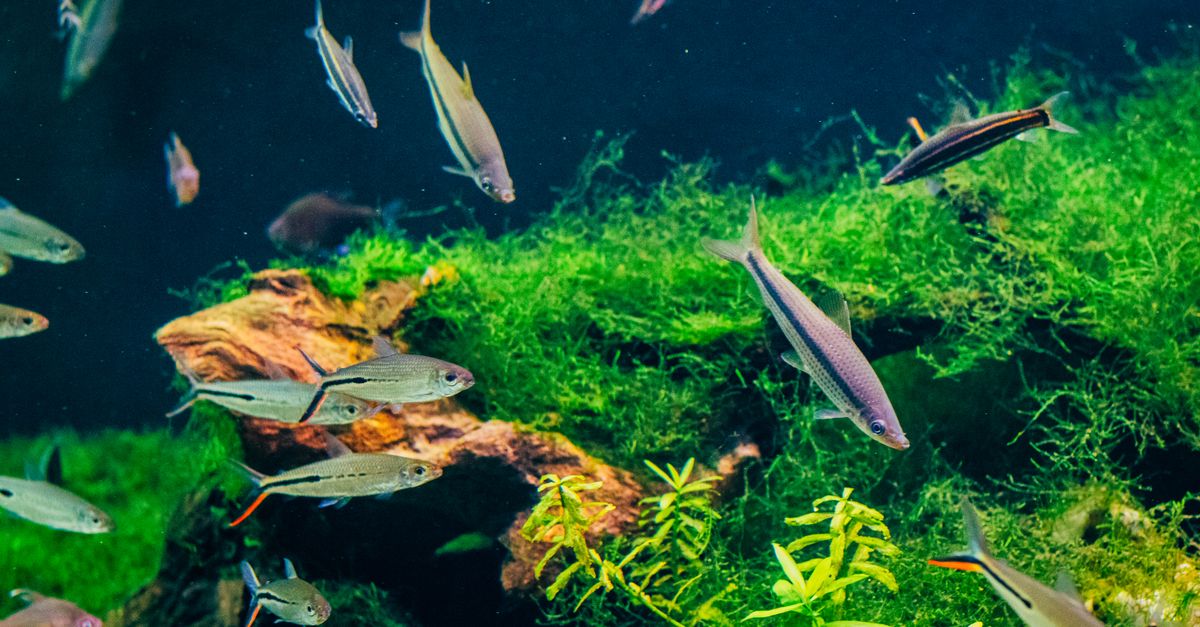
Fish in a planted freshwater tank

Quarantine: The Boring Habit That Saves Your Whole Tank

Quarantine is the least glamorous subject in fishkeeping and the one with the best return on effort. Nobody sets up a quarantine tank because it is fun. You set one up after the first time a bag of new fish brings ich into a display tank you have run cleanly for two years, and you spend three weeks treating every fish you own because of six new tetras. Most keepers learn it that way. You can learn it the cheap way instead, which is what this article is for. ...

A planted freshwater aquarium

Live Plants for Beginners: A Low-Tech, No-CO2 Setup

The single best upgrade I ever made to my fishkeeping was not a fancy filter or a bigger tank. It was a scraggly bunch of java fern tied to a piece of bogwood with cotton thread. Within a couple of months the tank looked alive rather than decorated, the algae on the glass slowed right down, and my water tests got boring in the best possible way. If you have been putting off live plants because you think they need pressurised CO2, blazing lights and a chemistry degree, I want to talk you out of that idea. A low-tech planted tank is cheap, forgiving, and honestly easier to run than a bare one. ...

Testing aquarium water

Aquarium Water Parameters Explained: Ammonia, Nitrite, Nitrate, pH, GH and KH

Every tank I have ever kept has taught me the same lesson eventually: the water is the pet. The fish are just the visible part of a system that lives or dies on chemistry you cannot see. When something goes wrong in an aquarium, the answer is almost never in the fish themselves. It is in the numbers. The good news is that there are only a handful of numbers that matter, and once you understand what each one is actually telling you, testing stops being a chore and starts being a conversation with your tank. Here is what each parameter means, what a healthy reading looks like, and what to do when a reading is off. ...

A shoal of aquarium fish

Feeding Aquarium Fish: How Much, How Often, and Why Less Is More

Nobody has ever brought me a tank problem that turned out to be underfeeding. Not once. Skinny fish in home aquaria are almost always sick or bullied, not starved. Meanwhile overfeeding sits behind most of the cloudy water, algae outbreaks, snail explosions and mystery ammonia readings I get asked about. Fish are small, cold blooded animals that spend most of the day doing very little. They need far less food than our mammal instincts tell us, and the kindest thing you can do for a tank is to feed it less than feels right. ...

A planted freshwater community aquarium

Choosing Your First Aquarium: Why Bigger Is Easier

If I could change one thing about how fish shops sell to beginners, it would be the little “starter kits”. The 20 litre cube with a light in the lid, the plastic bowl with a goldfish sticker on the box. They look manageable, they fit on a desk, and they are the single biggest reason new keepers give up in the first three months. I run a room full of tanks now, from 30 litre shell dweller boxes up to a proper community tank, and I will tell you plainly: the small ones are the hard ones. If you are buying your first aquarium, buy bigger than you think you want. Somewhere between 60 and 100 litres is the sweet spot, and here is why. ...