The colony in my bathroom tank started as six fish. Nobody asked my permission for what happened next, and that is rather the point of Neolamprologus multifasciatus. These are shell-dwelling cichlids from Lake Tanganyika, usually just called multies, and they hold a genuine claim to being the smallest cichlid in the world. A big male is 4 to 5 cm, females noticeably smaller, and yet they carry all the character of their much larger relatives. They dig, they squabble, they defend, they raise young, and they do it all in a tank that fits on a sturdy shelf. If you have hard, alkaline tap water and you want your first taste of Tanganyikan cichlids without a 300 litre commitment, I honestly cannot think of a better fish.
Free PDF
Free aquarium water cheat sheet (PDF)
Grab the one-page reference for your tank: target ranges for pH, hardness, ammonia, nitrite and nitrate, plus a plain walkthrough of the nitrogen cycle. No fluff, unsubscribe any time.
Free, unsubscribe any time. The download starts as soon as you sign up.
What multies are, and why they make such a good first Tanganyikan
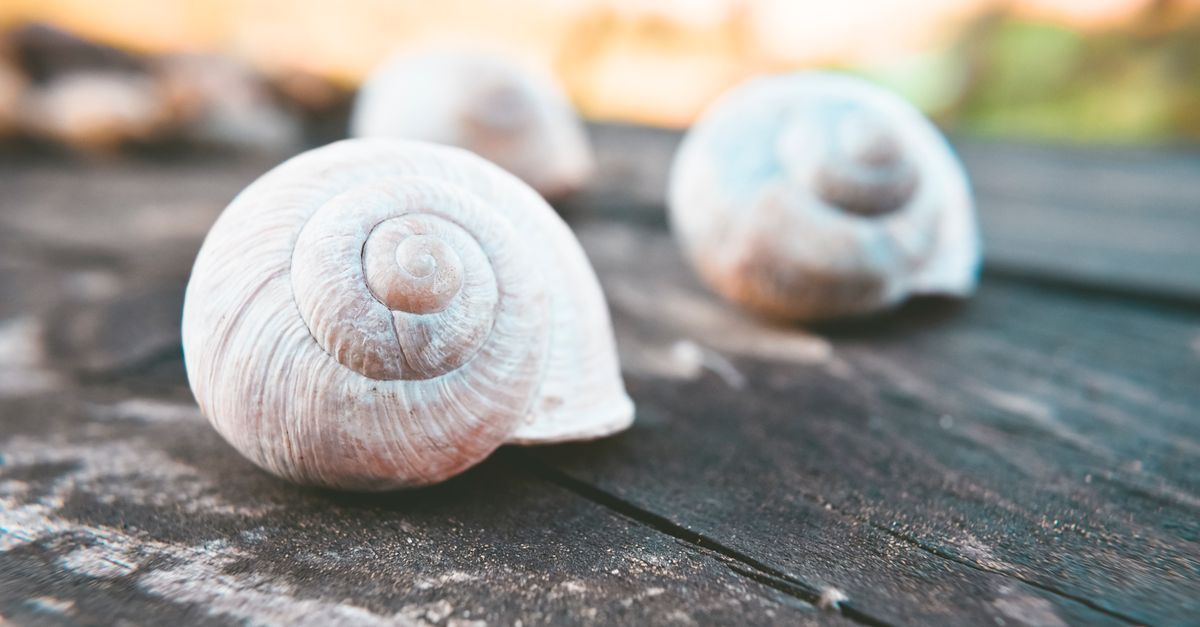
In the lake, multies live over vast beds of empty snail shells, in colonies that can number in the thousands. Each fish claims a shell or a small cluster of them, breeds inside it, bolts into it at the first sign of trouble, and spends the rest of its time excavating the sand around it. That last part is not an occasional habit. It is a full time occupation. A settled multi moves a startling amount of substrate for something the size of your thumbnail, mouthful by mouthful, and the tank floor slowly becomes a landscape of craters and ridges of their own design.
The reason I recommend them as a first Tanganyikan is simple. Most of the lake’s famous cichlids need large tanks, careful stocking plans and a fair bit of nerve. Multies need a shell pile and patience. They breed readily, they live in a small footprint, and they show you real colony behaviour, not just fish sharing a glass box. Watching a matriarch chase a youngster away from her crater, or a male patrol the boundary between two shell clusters, gives you the whole Tanganyikan experience in miniature.
Tank and water
Footprint matters far more than volume or height with these fish. Their entire world is the bottom few centimetres of the tank, so a low, wide 40 to 60 litre tank suits a starter colony well. Tall tanks waste money on water they will never visit. For the full step-by-step of getting one running on hard tap, I have written up how I set up a shell-dweller tank start to finish.
The substrate must be soft sand, and this is not negotiable. Digging is central to how multies live, and gravel, even fine gravel, defeats them. They pick sand up in their mouths and spit it out elsewhere, and they need to be able to do that all day. Two or three centimetres of plain, fine sand is plenty. Do not bother aquascaping the floor carefully, because they will rearrange everything within a week anyway.
Then the shells. Empty escargot shells are ideal, cheap and the right size, and you want more shells than fish. Considerably more. I would put down at least three shells per fish, heaped and scattered so the fish can sort them to their liking. A generous shell supply is the single best thing you can do for colony harmony, because a fish with a spare shell nearby has no reason to fight hard over its neighbour’s.
Water is where multies either fit your life or do not. Lake Tanganyika is hard and alkaline, with a high pH and plenty of dissolved minerals, and multies want the same. If your tap water is hard, you are in luck, and these fish are one of the best possible matches, as I have written before about keeping fish in hard water. My own tap water is liquid limestone and the multies could not be happier. If your water is soft, be honest with yourself. You would need to remineralise every water change forever, and unless you enjoy that sort of routine, multies are a poor choice for you.
Filtration should be gentle. A simple sponge filter or a small internal filter is enough, since the bioload of a handful of tiny fish is modest. Avoid anything that blasts current across the sand, both because the lake floor they come from is calm and because a strong flow undoes their excavation work, which they resent. Keep the tank covered, keep up regular partial water changes, and there is not much more to it.
The book behind Lagonia
The Hard Water Aquarium
My practical guide to working with hard, alkaline tap water instead of fighting it: reading your water, choosing and setting up the tank, and keeping and breeding the fish that thrive in it, from livebearers to Rift Lake cichlids and shell-dwellers.
Ad · Amazon affiliate links. I earn a small commission on a purchase, at no extra cost to you.
Stocking a colony
Start small. A group of five or six juveniles, or two males and three or four females if you can sex them, is the right beginning. Resist the urge to buy a dozen and fill the tank on day one. A colony has a structure, and that structure has to grow. The fish sort themselves into a loose hierarchy, roughly matriarchal in practice, with established females holding the prime shell clusters and a dominant male ranging over a wider patch. New fish dropped into a settled colony are treated as invaders, whereas fish born into it slot in at the bottom and work their way up. So the cheapest and most peaceful route to a big colony is to buy a small group and let them make the rest themselves. They will.
Expect the first weeks to be tense. There is chasing and posturing while territories get drawn, and one or two fish may spend days sulking behind the filter. Provided the shell supply is generous, it settles. Actual injuries are rare in a properly furnished tank.
Feeding
Small fish, small mouths, small food. Mine get crushed flake as the staple, with frozen cyclops and frozen or live baby brine shrimp as the treats that really get the colony out of its shells. Cyclops in particular seems perfectly sized for them, and it doubles as a first food for any fry that happen to be about, which in a working colony is always. Feed modest amounts once or twice a day. They are bottom oriented, so give the food a moment to sink, and watch that it is not all swept into a corner by the filter before they find it.
Behaviour
For their size, multies are absurdly bold. Mine come to the front glass when I approach and will square up to a finger during maintenance, all four centimetres of them. The daily entertainment, though, is the digging. Every fish is an engineer with strong opinions, and no arrangement of sand is ever finished. Shells get buried, unburied and relocated. Craters deepen. A ridge appears overnight between two territories like a border wall. If you find this charming, and I do, a multi tank never gets boring.
They are territorial around their shells, and there is constant low level bickering, flared fins, short chases, the occasional mouth to mouth shoving match. In a tank with sand, space and surplus shells, that is where it ends. It is theatre, not warfare. Trouble only really starts when the setup is wrong, which brings me to breeding and then to the problems section.
Breeding
Here is the honest truth about breeding multies: you do not do anything. They do. Once the colony feels secure, a female spawns inside her shell, tends the eggs there, and one day you notice movement in the sand crater around it. The fry are tiny slivers at first, easy to miss, hovering a centimetre from the shell mouth and vanishing into it when anything looms. That moment, spotting the first fry you did not know existed, is one of the small joys of the hobby.
Leave them be. The colony tolerates its own young, the mother guards the immediate area, and the fry graze on whatever they find, helped along by crushed flake dust and cyclops. There is no need for a breeding tank, no egg tumbling, no separating anyone. Generation stacks on generation, juveniles claim shells at the colony’s edge, and over months the population climbs.
That growth is the one bit of management the fish leave to you. A 40 to 60 litre tank will support a surprisingly large colony, but not an infinite one. When it starts feeling crowded, catch out a batch of juveniles and pass them on. Local fishkeepers and shops are usually glad of them, since multies always find homes. Catching shell dwellers is its own comedy, and the reliable trick is to lift out the shells the youngsters are hiding in, fish and all.
Tankmates
My advice is a species tank, full stop. A multi colony is a complete, self running display and it does not need company. If you must add something, the only sensible choice is a small group of peaceful, open water dither fish that occupy the upper layers and never contest the floor. Nothing that digs, nothing that eats fry with enthusiasm, nothing large enough to loom.
Every addition carries risk. Extra fish means extra bioload in a small tank, competition at feeding time, and pressure on fry survival. I have seen more multi tanks spoiled by ambitious stocking than by anything the multies did themselves. The colony is the show. Let it be.
Common problems
Nearly every multi failure I have heard about traces back to one of four mistakes.
Too few shells. This is the classic. With one shell each and no spares, every shell becomes worth fighting over and the bickering turns nasty. Pile them in generously and the aggression drains away.
Soft water. Multies in soft, acidic water are stressed multies, and no amount of good feeding fixes it. If your tap is soft and you will not commit to remineralising, choose a different fish.
Gravel instead of sand. A multi that cannot dig is a multi denied its main occupation. Fine gravel looks close enough in the shop and is not. Sand only.
Buying too many at once. A crowd of adult strangers has to fight out a hierarchy from scratch in a small space. A small founding group that breeds its way up builds the same numbers peacefully.
Get those four things right, hard water, soft sand, surplus shells and a modest founding group, and multies are close to foolproof. Mine have been quietly running their own small civilisation for a good while now, and they ask nothing of me but food, water changes and the occasional rehoming of the surplus. For the smallest cichlid in the world, they give back a remarkable amount.