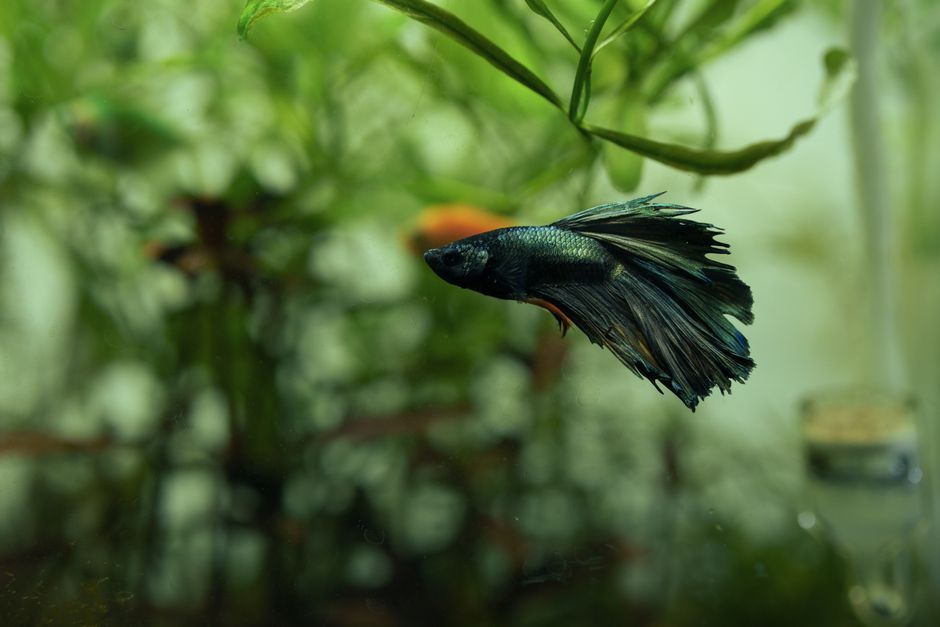
If you want to set up a tank for a betta properly, here is the whole thing in one sentence: a heated, filtered, cycled aquarium of around twenty litres or more, with a lid, live or silk plants and gentle flow. Everything below is the detail behind that sentence, in the order you actually do it. This is a setup guide, the shopping list and the build, rather than a care guide. I have written the day-to-day feeding, fin health and behaviour side separately in betta care; this piece gets the tank right in the first place, because a good setup prevents most of the problems the care guide then has to solve.
Free PDF
Free aquarium water cheat sheet (PDF)
Grab the one-page reference for your tank: target ranges for pH, hardness, ammonia, nitrite and nitrate, plus a plain walkthrough of the nitrogen cycle. No fluff, unsubscribe any time.
Free, unsubscribe any time. The download starts as soon as you sign up.
What you need before you buy the fish
Buy the tank first and the betta last. A betta bought on impulse and dropped into an uncycled bowl is where most betta stories go wrong. The kit is short and none of it is expensive:
- A tank of around 20 litres or more, longer than it is tall.
- A small adjustable heater, 25 to 50 watts.
- A gentle filter, ideally an air-driven sponge filter.
- A lid or tight-fitting cover.
- A thermometer.
- Live or silk plants and a soft place or two to rest near the surface.
- A liquid test kit for ammonia, nitrite and nitrate.
That is the lot. Notice what is not on the list: no vase, no betta bowl, no plastic plants with sharp edges, no bright open tank without cover.
Choose the tank: footprint beats height
Around 20 litres is my working minimum and 25 to 40 litres is comfortably better. The reason is not sentiment. Small volumes are chemically unstable, so ammonia climbs fast, the temperature tracks the room, and one missed water change tips the balance. A larger tank is more forgiving of the ordinary slips everyone makes.
Shape matters as much as volume. Bettas are surface breathers with a labyrinth organ, so they take air from the surface as well as from their gills, and a long male has to haul heavy fins up the water column to reach it. A long, shallow tank suits them and a tall column fights them. If you are picking a tank from scratch, the general logic in choosing your first aquarium applies here too: footprint beats height, and bigger is steadier.
The book behind Lagonia
The Hard Water Aquarium
My practical guide to working with hard, alkaline tap water instead of fighting it: reading your water, choosing and setting up the tank, and keeping and breeding the fish that thrive in it, from livebearers to Rift Lake cichlids and shell-dwellers.
Ad · Amazon affiliate links. I earn a small commission on a purchase, at no extra cost to you.
Heater: not optional, and set it properly
Bettas are tropical fish from Thailand and Cambodia, and they want 24 to 27 °C held steady. At a normal northern European room temperature of 18 to 21 °C a betta does not die at once, it slowly declines, stops eating and becomes a magnet for fin rot and fungus. Chronic cold is behind a huge share of “mystery” betta deaths.
Fit a small adjustable heater rather than a preset stick-on type, so you control the number. Put the thermometer at the far end of the tank from the heater, so you read the water rather than the heater’s own opinion of itself. Set it, leave it a day, then check the thermometer and adjust. If you want to match a heater to your tank volume, our heater calculator gives a sensible wattage.
Filter: gentle, never absent
A betta needs filtered water like any fish, but it is a poor swimmer by community standards, and strong flow exhausts a male, pins him to the intake and shreds his fins over time. The answer is a gentle filter, not no filter.
An air-driven sponge filter is close to ideal here. It gives full biological filtration, almost no current, and nothing for fins to catch on, which is exactly why it runs on my own betta tubs. If you would rather use an internal or hang-on filter, baffle the outflow with a spray bar, a piece of sponge or a plant in front of the output until the surface barely ripples. A betta holding its fins clamped and resting on the bottom is telling you the flow is too strong. The main filter types are compared in choosing an aquarium filter.
Plants, cover and a lid
A bare, brightly lit box is a stressful home for a betta. In the wild they live among dense marginal cover, and in the tank they want the same: places to hide, plants to rest on near the surface, and broken sightlines so they feel secure rather than exposed.
Live plants are best because they also help the water quality, and bettas love a broad leaf near the surface to drape themselves over. Easy, low-light species suit a betta tank perfectly, and the beginner options in beginner aquarium plants all work. If you go with silk plants instead, choose soft ones, because stiff plastic plants tear fins. Run the tights test on anything you add: if a stocking snags on it, so will a fin.
Then the lid. Bettas jump, especially at night, and a labyrinth fish breathing cold dry room air above warm water is prone to trouble. A cover keeps the fish in the tank and keeps the air layer above the surface warm and humid, which their labyrinth organ appreciates. Leave a small gap for air exchange, but cover the tank.
Cycle the tank before the fish goes in
This is the step people skip, and skipping it is what burns a betta’s gills and fins in its first fortnight. A new tank has no bacteria to process the ammonia the fish produces, so that ammonia builds up and poisons the fish. The fix is to grow the bacteria first, before there is a fish to harm.
The reliable method is a fishless cycle, dosing ammonia into the empty tank and waiting for the bacteria to establish until the tank can clear a full dose of ammonia to nitrate within a day. That takes a few weeks and it is time well spent. The full method is in fishless cycling, and it works exactly the same for a betta tank as for anything else. Do not let a shop or a starter-kit box talk you out of it.
Betta water chemistry itself is undemanding. They are farmed by the million across a wide range of water and adapt to most stable conditions, including hard water like mine, so match the fish to your tap rather than chasing numbers. The parameters worth watching are in aquarium water parameters.
Bringing the betta home
Once the tank is cycled, heated to 25 or 26 °C and planted, the fish can go in, and the acclimatisation is gentle and slow. Float the bag or cup to match temperature for fifteen minutes, then add a little tank water to the container every few minutes over the next half hour so the fish adjusts to your water gradually. Net the betta into the tank rather than tipping shop water in with it.
Expect the first day or two to be quiet. A new betta often sulks, hides, or sits on the bottom while it works out that this large strange space is home. Leave the light off for the first evening, resist the urge to feed heavily, and let it settle. Within a few days a well-set-up tank produces the fish you were promised: active, curious, patrolling its territory and flaring at its own reflection.
The first fortnight
A newly stocked tank, even a cycled one, deserves a close eye for the first couple of weeks. Test the water every few days for ammonia and nitrite, which should read zero, and do a modest water change if anything creeps up. Feed lightly. Watch the fins for clean regrowth rather than ragged edges, and watch the fish for easy swimming rather than clamped resting.
Get the setup right and there is very little left to do. A betta in twenty-plus heated litres, gently filtered, planted and covered, is a low-maintenance fish with more personality per centimetre than anything else in the hobby. The difference between that fish and the listless one in a bowl comes down almost entirely to the afternoon you spend setting the tank up properly before you ever bring the fish home.