Aquarium fish that thrive in hard water

Hard Water Fish: The Best Aquarium Species for Hard, Alkaline Water

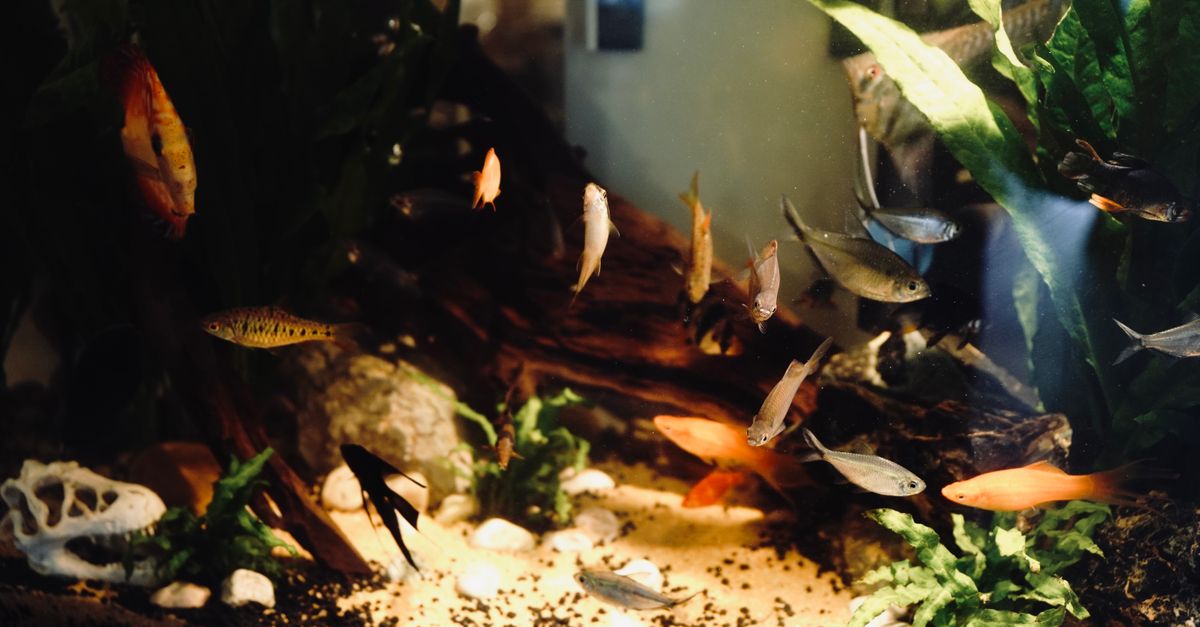
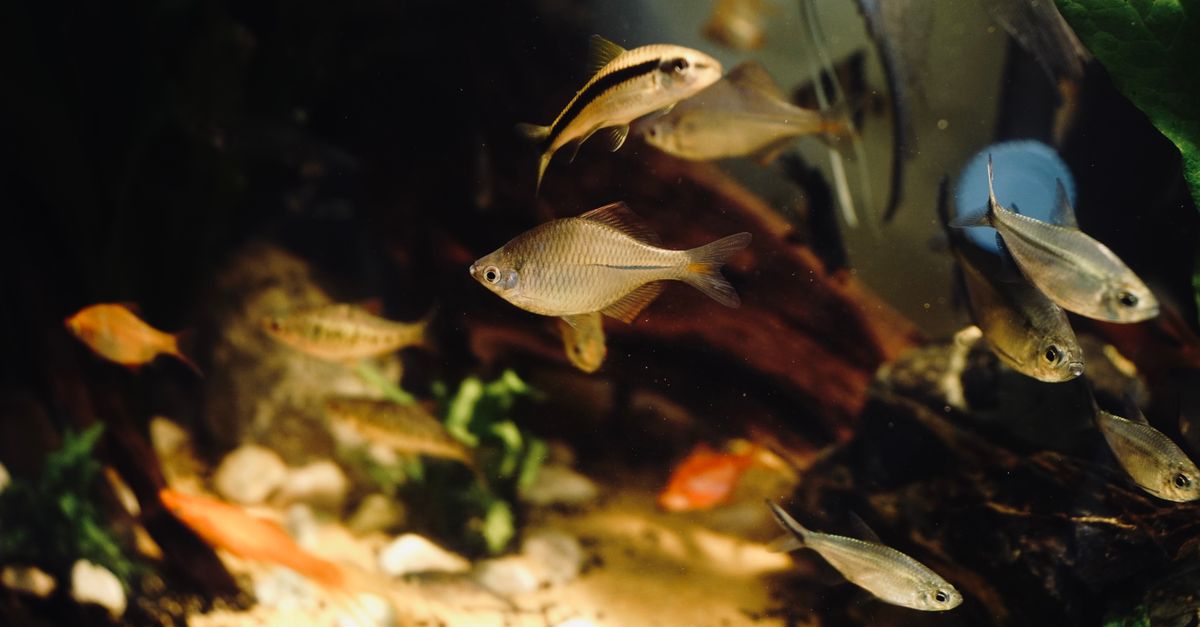
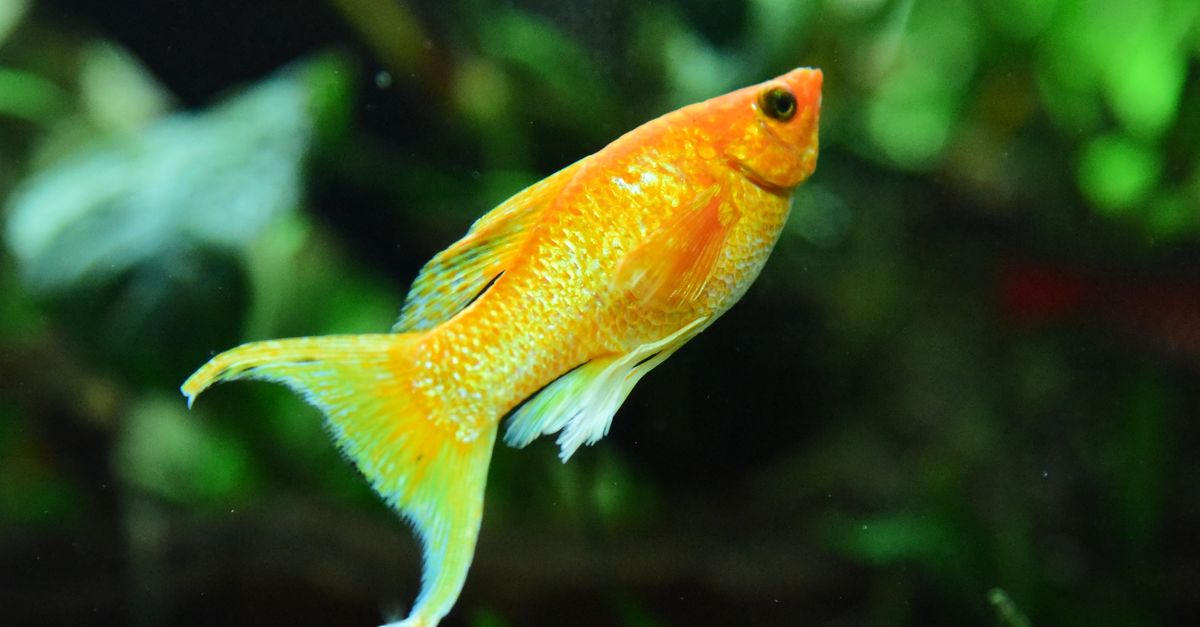
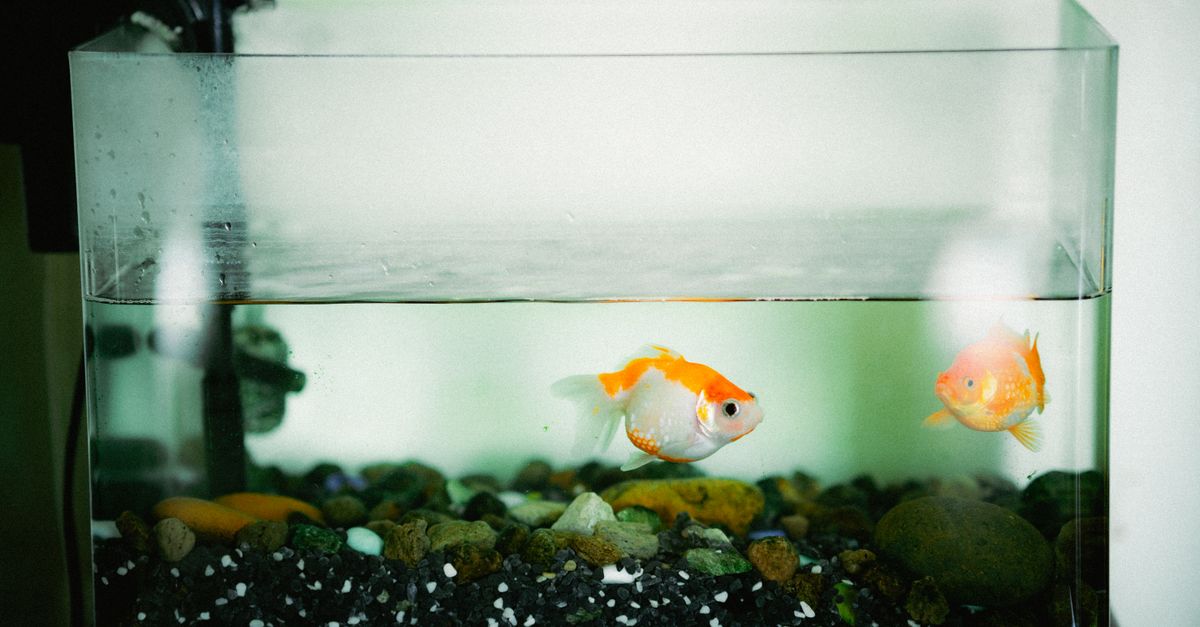
My tap water comes out of the mains at somewhere between 22 and 23 degrees of German hardness, mostly calcium, with a pH of about 7.2 and even a little nitrate already in it, around 15 ppm before it ever touches a tank. By any honest definition that is very hard water. When I started keeping fish I assumed, as most beginners do, that this was a problem to be fixed, and that somewhere out there was a bottle or a filter that would turn my liquid limestone into an Amazon blackwater stream. It took me a while to realise the truth, which is that my water was never the problem. My stocking list was. Once I started choosing fish that actually come from hard, alkaline water, everything got easier. No chemicals, no remineralising, no weekly fight with test kits. The fish breed, the snails have glossy shells, and water changes are just water changes. This article is the one I wish I had read at the start. ...
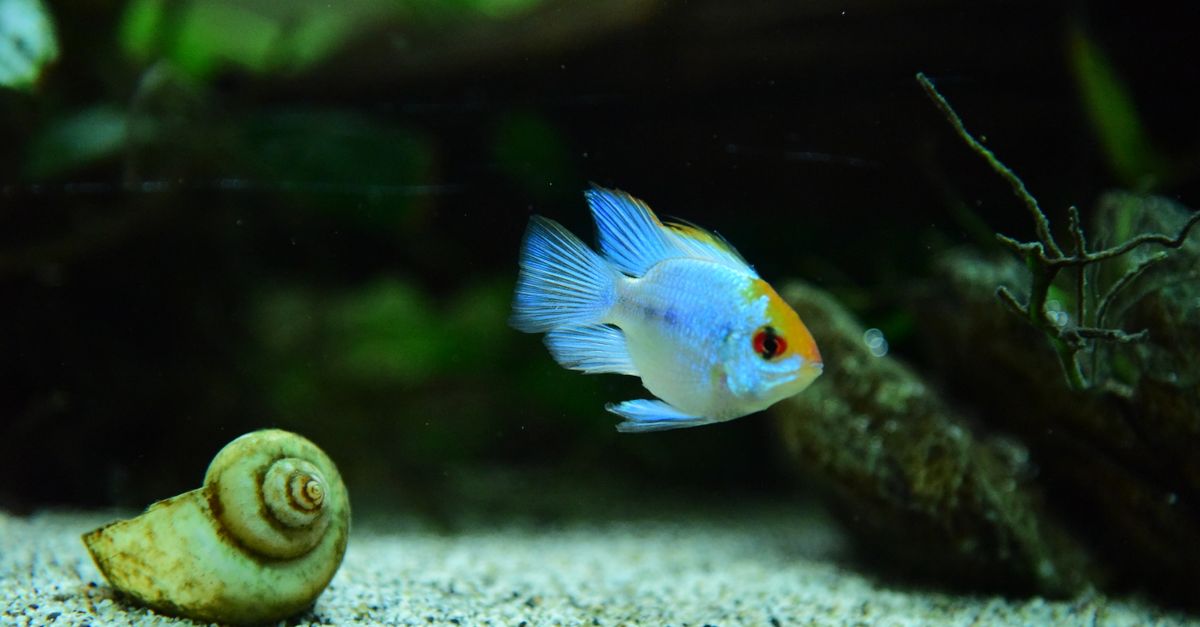
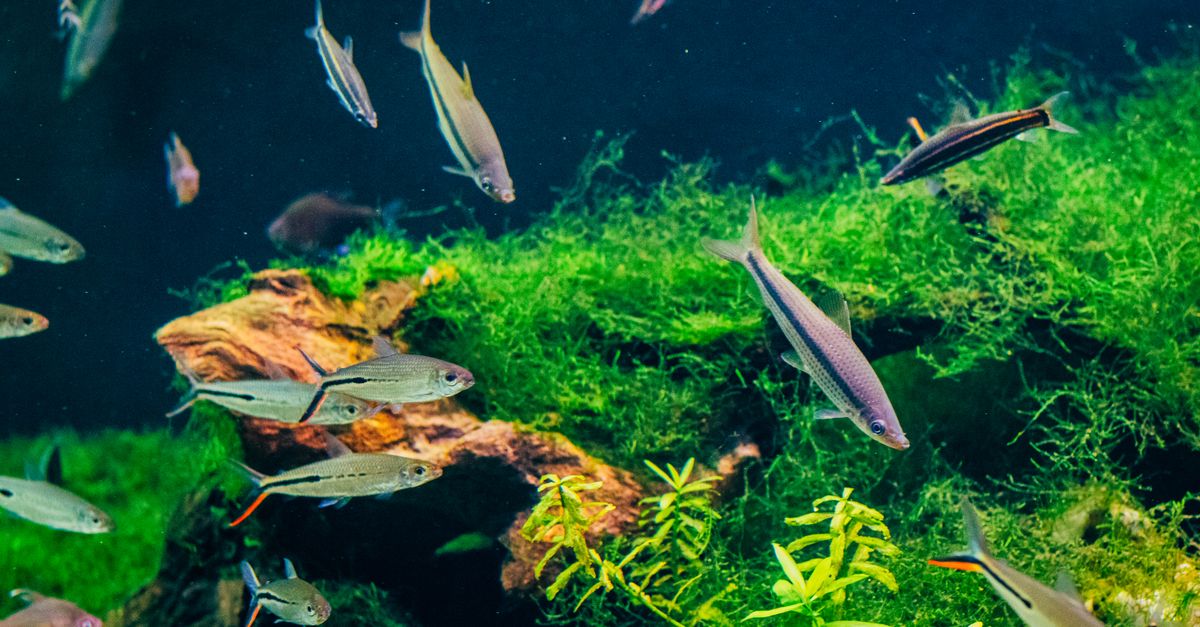
A snail in a planted aquarium

Snails in the Aquarium: Pest, Ally, or Both

Few things divide fishkeepers like snails. Half the hobby buys them on purpose and the other half is on a forum at midnight asking how to exterminate them. I am firmly in the first camp these days, but I got there the usual way, through the second. Every tank in my fishroom has snails in it, most of them uninvited, and the tanks are better for it. The trick is understanding what a snail population is actually telling you, because a snail boom is a message about your tank, and killing the messenger has never once fixed the message. ...

A freshwater aquarium being cycled

How to Cycle a New Aquarium: The Nitrogen Cycle, Done Properly

Every new tank I have set up in the last decade, and there have been a lot of them, has gone through the same invisible process before a single fish went in. It is not glamorous. It involves staring at test tubes, waiting, and resisting the urge to buy fish for weeks on end. But cycling a tank properly is the single biggest difference between a smooth start in this hobby and the miserable, familiar story of new fish dying within a fortnight. This article is the version of the process I wish someone had handed me at the start: what is actually happening in the water, how to do it without fish, how long it genuinely takes, and the handful of mistakes that quietly wreck it. ...

A freshwater aquarium

Why Is My Aquarium Water Cloudy? Causes and Fixes

Cloudy water is probably the most common problem I get asked about, and it is also one of the most misdiagnosed. The panicked new keeper does a massive water change, the cloud comes back worse the next morning, they change more water, and around it goes. I have run a lot of tanks over the years, from shell dweller setups to outdoor tubs, and I have seen every flavour of cloudiness there is. The good news: the colour and timing of the cloud tell you almost exactly what is going on, and most of the fixes cost nothing. The bad news, if you can call it that: the most common cause is fixed by doing less, not more, and doing less is genuinely hard when your tank looks like dishwater. ...

Aquarium maintenance

Aquarium Water Changes: How Much, How Often, and How

Water changes are the least glamorous job in fishkeeping and the single most useful one. I have kept tanks for years, from heavily stocked cichlid setups to a lightly planted 60 litre that mostly runs itself, and if I could hand a new keeper only one habit, it would be this: pick a day, change a decent chunk of the water, and do it every week whether the tank looks like it needs it or not. Filters get all the attention because they are the expensive bit of kit, but a filter only converts waste from one form to another. It does not remove it. That job is yours, and it involves a bucket. ...

A swordtail, a common livebearer, in an aquarium

Breeding Livebearers: Guppies, Endlers and Mollies

If you want to breed fish, start with livebearers. Guppies, endlers, mollies and platies do not need conditioning, spawning triggers, egg guarding or artificial hatching. They need a male, a female and water. I keep a line of endler and guppy crosses that has been running for generations in one of my tanks, and my honest job as their keeper is not persuading them to breed. It is deciding what happens to the results. That second part is where this article will spend some honest time, because most breeding guides gloss over it. ...

Green algae in a freshwater aquarium

Aquarium Algae: The Common Types and How to Beat Each One

Every tank I have ever run has grown algae. The lovingly scaped planted tank, the bare quarantine tub, the shrimp bowl on my desk, all of them. So before anything else, let go of the idea that algae means you have failed. It does not. Algae is what happens when light and nutrients are available and nothing else is using them fast enough. The trick is not eradication, because eradication is impossible. The trick is identification. Each common type of algae points to a specific imbalance, and once you can read the signs, you can fix the cause rather than endlessly scrubbing at the symptom. ...

A home aquarium with fish

Choosing an Aquarium Filter: Sponge, HOB, Canister or Internal

Filter shopping is where a lot of beginners get fleeced, not because the filters are bad but because the marketing answers the wrong question. Boxes shout about carbon cartridges, five-stage systems and crystal-clear water, when the only question that matters is: how much surface area does this thing give the bacteria, and how much water does it move past them? I run every major filter type across my tanks, from air-driven sponges on shrimp and fry tanks to a canister on the big community tank, and the honest news is that all of them work. The job is matching the type to the tank, not finding the mythical best one. ...

Aquarium filter media

Aquarium Filtration Explained: Types, Media, and How Much You Need

Filtration is the subject I wish someone had explained to me properly when I started keeping fish, because almost everything printed on filter boxes is marketing and most of what actually matters never gets mentioned. I have run sponge filters, hang-on-backs, internals, canisters and one homemade monstrosity built from a bucket, and the tanks that stayed healthy were never the ones with the most expensive equipment. They were the ones with the most bacterial real estate. That is the whole game. A filter is not a machine that cleans water in any meaningful chemical sense. It is a house for bacteria, with a pump attached. Once you see it that way, every decision about types, media and sizing gets much easier, so that is the frame I will use for this article. ...

Fish in a planted freshwater tank

Quarantine: The Boring Habit That Saves Your Whole Tank

Quarantine is the least glamorous subject in fishkeeping and the one with the best return on effort. Nobody sets up a quarantine tank because it is fun. You set one up after the first time a bag of new fish brings ich into a display tank you have run cleanly for two years, and you spend three weeks treating every fish you own because of six new tetras. Most keepers learn it that way. You can learn it the cheap way instead, which is what this article is for. ...