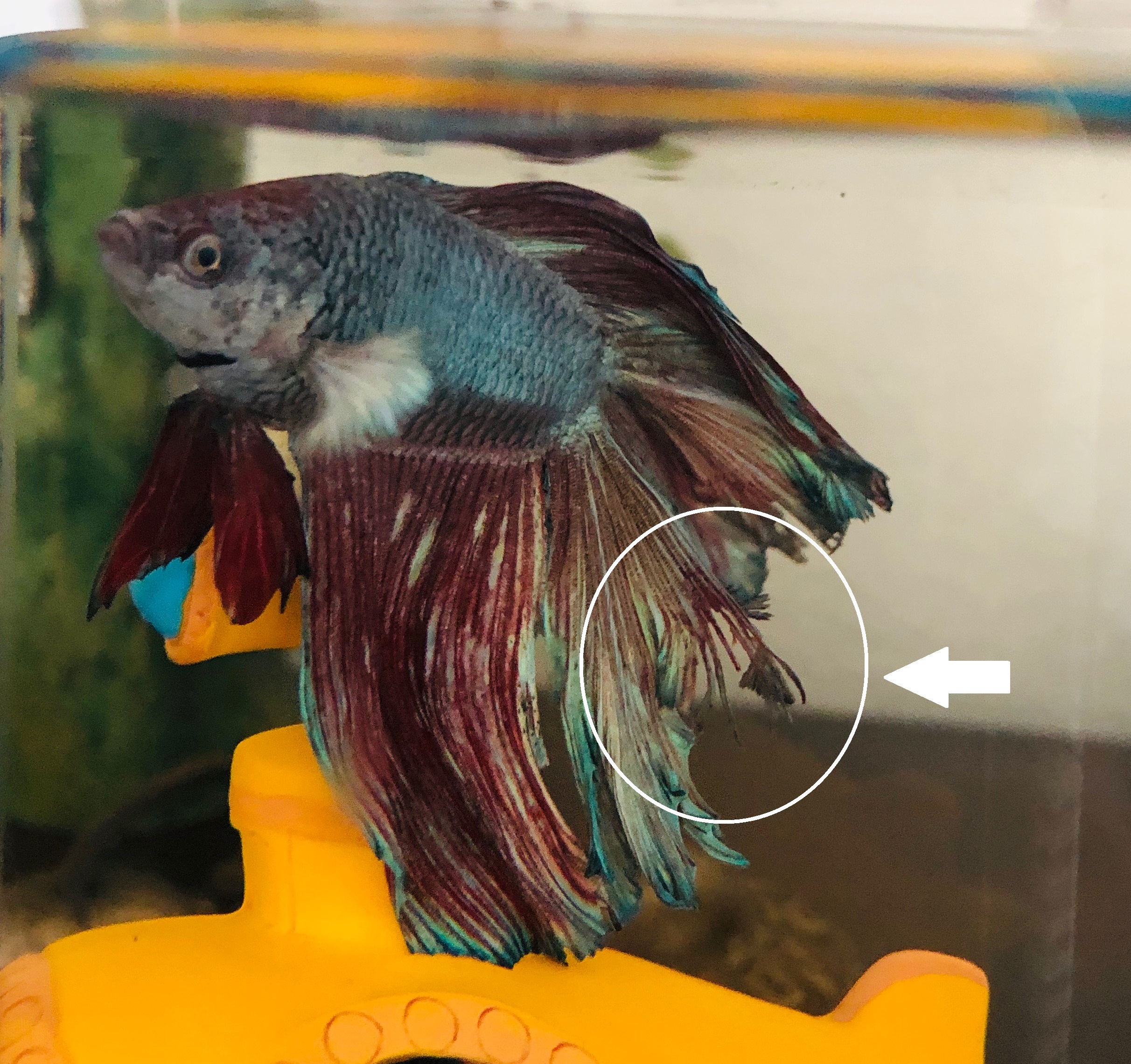
Ragged fins are one of the first things a new keeper panics about, and fin rot is usually the diagnosis they land on, sometimes rightly. I have dealt with it more times than I would like, mostly in my early years when my water changes were casual and my tanks were more crowded than they should have been. The good news is that fin rot is rarely a death sentence and almost never a mystery. It follows poor conditions the way damp follows a leaking roof, and once you understand that, the fix stops being about chasing a magic bottle and starts being about the water. This is how I recognise it, treat it, and keep it from coming back.
Free PDF
Free aquarium water cheat sheet (PDF)
Grab the one-page reference for your tank: target ranges for pH, hardness, ammonia, nitrite and nitrate, plus a plain walkthrough of the nitrogen cycle. No fluff, unsubscribe any time.
Free, unsubscribe any time. The download starts as soon as you sign up.
What fin rot actually is
Fin rot is a bacterial infection of the fins and tail, caused for the most part by opportunistic gram-negative bacteria such as Aeromonas, Pseudomonas and Flavobacterium columnare. The word opportunistic is the key to the whole thing. These bacteria are present in almost every aquarium, all the time, doing no harm. They only take hold when a fish is already run down: stressed, chilled, injured, or living in water that has quietly gone bad. A healthy fish in clean water shrugs them off. A stressed fish in dirty water cannot, and the bacteria go to work on the thinnest, most exposed tissue they can find, which is the edge of the fins.
That is why fin rot is best thought of as a symptom of a tank problem rather than a disease that strikes at random. If you treat the fins and ignore the cause, it comes straight back.
Telling rot from ordinary damage
Before you reach for anything, work out whether you are actually looking at rot. Fins get damaged for all sorts of reasons that are not infection, and the treatment is different.
Fin nipping, from a tankmate or a sharp decoration, leaves clean tears or notches that usually heal on their own in clear water. The torn edge stays the same colour as the rest of the fin. Fin rot looks different. The edges of the fin fray and grow ragged, and the margin often discolours, turning whitish, milky, or in some cases darkened and blackened where the tissue is dying. Over days the fin visibly recedes, shrinking back towards the body. In advanced cases the base of the fin becomes red and inflamed, and if the rot reaches the body itself you have a serious infection on your hands that needs prompt action.
The tell is progression. A single torn fin that looks the same a week later is damage. A fin that is shorter, cloudier at the edge, and worse than it was three days ago is rot. When in doubt, treat the water first, because that helps either way and harms neither.
The book behind Lagonia
The Hard Water Aquarium
My practical guide to working with hard, alkaline tap water instead of fighting it: reading your water, choosing and setting up the tank, and keeping and breeding the fish that thrive in it, from livebearers to Rift Lake cichlids and shell-dwellers.
Ad · Amazon affiliate links. I earn a small commission on a purchase, at no extra cost to you.
Step one is always the water
I cannot say this strongly enough: the first move is never medication, it is a test kit and a bucket. Test for ammonia, nitrite and nitrate. In a tank with fin rot you will very often find ammonia or nitrite above zero, or nitrate that has been allowed to climb far too high because water changes were skipped. Any reading of ammonia or nitrite above zero is a red flag, because those are the classic sign of a tank that was never properly cycled or has been overloaded. If you are unsure what those numbers should be, my guide to aquarium water parameters lays out the safe ranges, and if the tank is new, the problem may be that it was stocked before it finished cycling; fishless cycling explains what should have happened first.
Do a water change of around 25 to 50 per cent straight away, matching temperature and using a dechlorinator, and repeat it daily for the first few days. My full method is in aquarium water changes, and the water change calculator will size the change for your tank. Siphon the muck out of the substrate while you are at it. In a great many mild cases, honestly the majority I have seen, clean stable water is the entire cure. The fin stops receding within a few days and slowly regrows, often with a slightly clear or pale edge where the new tissue is forming. That regrowth is a good sign; leave it be.
When and how to medicate
If the rot is advancing despite clean water, or it has already reached the body, or the fish is clearly declining, then medication is warranted alongside the water work, not instead of it. Fin rot is a gram-negative bacterial infection, so an antibacterial aquarium treatment aimed at gram-negative bacteria is what you want. Follow the dosing on whatever product you buy to the letter, complete the full course even if things look better halfway through, and remove any activated carbon from your filter first, because carbon strips medication straight back out of the water. I am not going to name brands here, partly because availability differs by country and partly because the medication is the junior partner to good husbandry in most cases.
Aquarium salt is often suggested, and it can help mild cases by supporting the slime coat and discouraging secondary infection. It suits livebearers and many hardy community fish, but go carefully: some species and most live plants do not tolerate salt well, so it is not a blanket recommendation. If you use it, dose modestly and do not combine it with a medication unless the label says the two are compatible.
A word on hospital tanks. If you keep a mixed community and only one fish is affected, or you want to medicate without dosing plants and shrimp, moving the patient to a separate bare tank is worth the trouble. The same set-up I describe for quarantining new fish works as a hospital tank, and it lets you keep water pristine and medication targeted.
Finding the real cause
Curing the fins is only half the job. If you do not find out why the fish got run down, you will be back here in a month. Run through the usual suspects. Was the tank overstocked, so the bio-load outran the filter? The stocking calculator will tell you if you are pushing it. Was the water change routine too casual? Is a boisterous tankmate nipping fins and creating the wounds the bacteria exploit? Is the temperature too low or swinging about, which chills tropical fish and blunts their immune response? Cold, unstable water is a surprisingly common trigger, so check your heater is doing its job; my heater calculator covers sizing if the tank never quite holds temperature.
Bettas deserve a special mention because they are the classic fin rot patient. Long delicate fins, small unheated bowls, no filtration and infrequent water changes are a recipe for it, which is exactly the set-up so many bettas are sold into. If you keep one, my guides to betta care and setting up a betta tank will steer you clear of the conditions that cause most of these cases in the first place.
Prevention, which is mostly just good keeping
There is no special trick to preventing fin rot. It is the same handful of habits that prevent nearly everything else. Cycle the tank before you stock it. Change a sensible chunk of water every week. Do not overstock, and do not overfeed, since uneaten food rots and sours the water as surely as anything. Keep the temperature stable and appropriate for the species. Quarantine new arrivals so you are not importing sick or weakened fish. Feed a varied, good quality diet so your fish have the reserves to fight off the opportunists that are always waiting in the wings.
Do those things and fin rot becomes a rarity rather than a recurring chore. When it does show up, treat it as your tank telling you something has slipped, fix the water first, reach for medication only if the infection is genuinely advancing, and then go and find the reason it happened. Sort the reason and the fins, remarkably, tend to look after themselves.