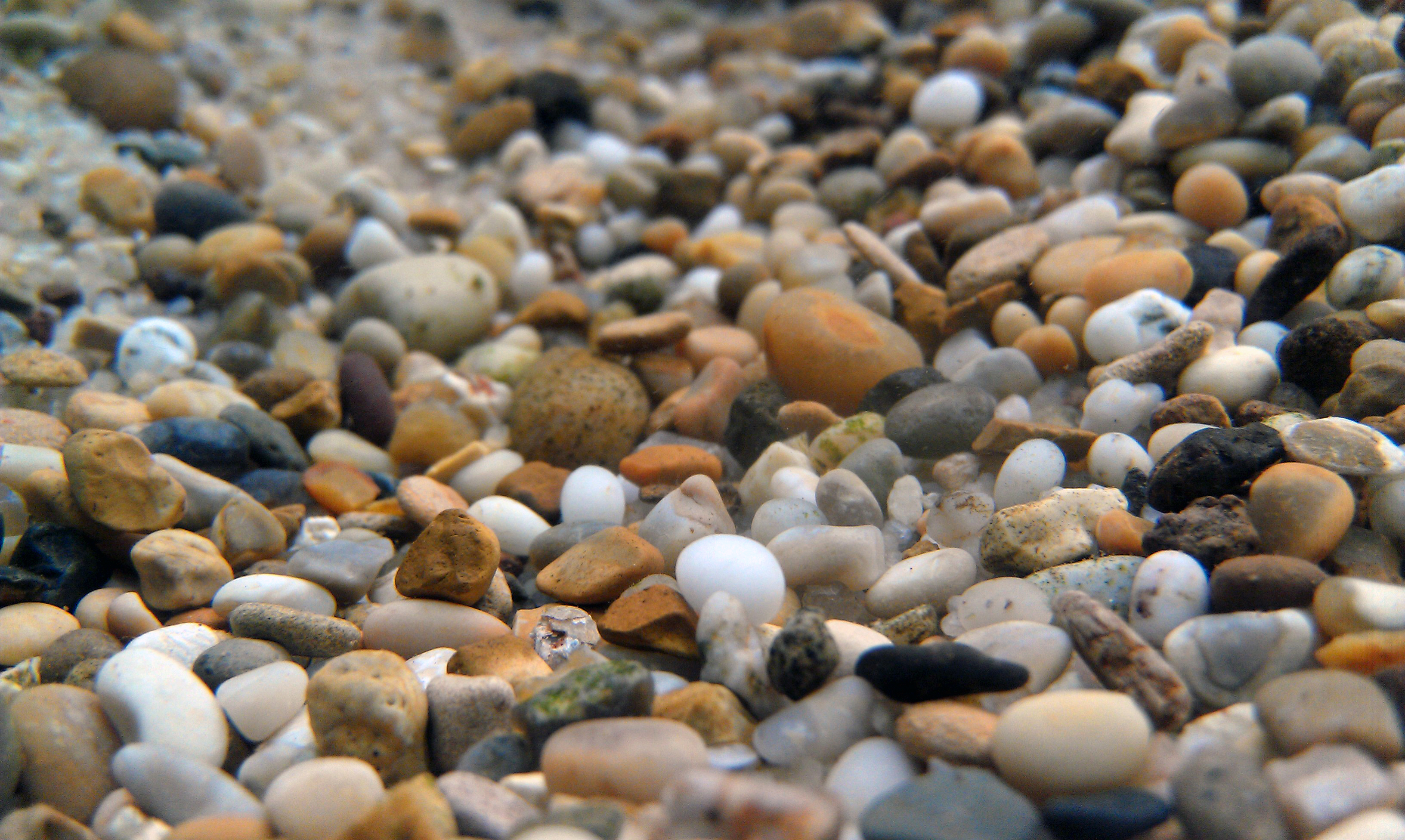
Substrate is one of those decisions new keepers rush and then regret. It goes in at the bottom, quite literally, so it gets treated as an afterthought behind the fish, the filter and the lighting. Then six months later you want to change it, and you discover that swapping substrate in a running tank is a filthy, disruptive job you would rather not repeat. It pays to think it through once, properly. The good news is that the choice is not complicated when you strip it back to what actually affects your fish and your water. This is how I decide, and what I would tell anyone setting up their first tank.
Free PDF
Free aquarium water cheat sheet (PDF)
Grab the one-page reference for your tank: target ranges for pH, hardness, ammonia, nitrite and nitrate, plus a plain walkthrough of the nitrogen cycle. No fluff, unsubscribe any time.
Free, unsubscribe any time. The download starts as soon as you sign up.
What substrate actually does
Before comparing types, it helps to be clear on the job substrate is doing. It anchors plants and hardscape. It gives your tank a natural floor instead of a bare glass base that stresses most fish and reflects light back up at them. And, importantly, it provides a huge surface area for the beneficial bacteria that run your nitrogen cycle, working alongside your filter rather than instead of it.
That last point is worth holding on to. A common beginner worry is that substrate is just dirt waiting to poison the tank. In a healthy, established aquarium the opposite is true: the gravel or sand bed is part of your biological filtration. If you want to understand why that matters so much, the nitrogen cycle explainer sets out what those bacteria are doing and why you never want to strip them all out at once.
Gravel: the sensible default
For most first tanks, ordinary aquarium gravel is the easiest choice, and I still use it in several of mine. By gravel I mean the rounded, inert grains a few millimetres across that you find in every aquatics shop. Water flows freely through it, which keeps the bed oxygenated and stops pockets of trapped muck going stale.
Its big practical advantage is cleaning. When you do a water change you can push a gravel siphon straight down into the bed and pull out the debris that has settled between the grains, without hoovering up the substrate itself. Fish waste and uneaten food sink into gravel and stay accessible, so a routine vacuum keeps things genuinely clean. Gravel also holds plants down well once their roots take, and it will not get sucked into a filter intake.
The main downsides are cosmetic and situational. Larger, sharp or brightly coloured gravel can trap food where fish cannot reach it, and it is a poor match for any fish that likes to sift or burrow. Which brings us to sand.
The book behind Lagonia
The Hard Water Aquarium
My practical guide to working with hard, alkaline tap water instead of fighting it: reading your water, choosing and setting up the tank, and keeping and breeding the fish that thrive in it, from livebearers to Rift Lake cichlids and shell-dwellers.
Ad · Amazon affiliate links. I earn a small commission on a purchase, at no extra cost to you.
Sand: better for some fish, fussier to run
Sand looks superb. A fine, natural sand bed gives that clean riverbed appearance nothing else quite matches, and for certain fish it is not just about looks. Corydoras and other bottom-sifters want to filter mouthfuls of substrate through their gills, and sharp gravel wears down their delicate barbels over time. Many cichlids dig and rearrange sand as natural behaviour. If you keep fish that interact with the bottom, sand is often the kinder option.
It behaves differently, though, and you need to know that going in. Sand compacts, so waste sits on top rather than sinking in. That actually makes surface cleaning easy, because you can hover the siphon just above the bed and draw off the debris without lifting the sand. What you cannot do is dig the siphon in the way you would with gravel. You also have to stir the bed occasionally, gently, to release any gas that builds up in compacted patches, and you need to be careful at the filter intake, since disturbed sand can get drawn in and scour an impeller.
Neither material is objectively better. Gravel is the more forgiving all-rounder; sand rewards a keeper who is willing to adjust their maintenance to suit it.
Substrate and your water chemistry
Here is the part that matters more on this site than almost any other, because our whole niche is very hard, alkaline tap water at around 22.5 dGH. Some substrates are chemically active, and they can shift your water in ways you may or may not want.
Plain gravel and inert sand are just that, inert. They sit there and do nothing to your pH or hardness, which is exactly what you want if your tap water is already in a good range for your fish. Other substrates are made of calcium carbonate, chiefly crushed coral and aragonite sand, and these slowly dissolve to push pH and hardness upwards. Crushed coral tends to hold water somewhere around 7.6 to 7.9, while aragonite can drive it higher still, towards 8.2. The finer the grain, the faster it dissolves and buffers, but the sooner it is used up, so a coral bed is not a permanent fixture; it needs topping up over months.
For most people reading this, the practical takeaway is simple. If your tap water is already hard and alkaline, you almost certainly do not need a buffering substrate, and adding one on top of already high hardness gives you nothing. Where it earns its place is in a dedicated Rift Lake or shell-dweller tank, where keepers want rock-solid, unshakeable alkalinity that never dips; a crushed coral or aragonite base helps hold those conditions steady. The shell-dwelling cichlid guide is where that really comes into its own.
The reverse warning matters too. If you ever try to keep genuinely soft-water fish by cutting your tap with RO water, a buffering substrate will quietly fight you the whole way, dragging your carefully softened water back up. In that situation you want inert substrate and you soften in the bucket instead; the remineralise calculator and the GH and KH explainer cover how to get the mix right. Know what your substrate is made of before you buy it, and you avoid a frustrating mismatch later.
Planted tanks want something different again
If plants are your priority, the calculation changes. Heavy root-feeders such as swords and crypts do best in a nutrient-rich planted substrate, the dark soil-like products designed to feed roots directly. These are worth the extra cost if you are serious about a lush tank.
Worth knowing: crushed coral and other calcium-carbonate substrates are a poor match for a planted tank, because the same buffering action that hardens your water also locks up iron and phosphate that plants need to absorb through their roots. If you want plants and hard water both, you are better off with an inert or plant-specific substrate and letting your naturally hard tap water do its thing. Plenty of plants cope with hard water perfectly well without any chemical help, as the hard water plants and general beginner plants guides set out.
How much do you need, and how deep
A depth of around 5 to 8 centimetres is a good general target. That is enough to root plants and to give the bacteria plenty to colonise, without creating deep compacted zones that go anaerobic. Nano tanks can run a little shallower; planted tanks often want a touch more at the back where the bigger plants go.
Buying the right amount first time saves a second trip and an awkward, half-covered floor. Rather than guess, the substrate calculator works out how many kilograms you need from your tank footprint and the depth you are after. It is a small thing, but running out halfway through filling a new tank is a genuinely annoying way to start.
Putting it in and living with it
Rinse everything before it goes in, and rinse more than you think you need to; new gravel and especially new sand carry a surprising amount of fine dust that will cloud your water for days if you skip this. Rinse in batches in a bucket until the water runs clear, then bed it in gently. If your water does go cloudy despite rinsing, do not panic, it usually settles; the cloudy water article explains the difference between harmless dust and a bacterial bloom.
After that, substrate mostly looks after itself. Vacuum it as part of your regular water change routine, stir sand occasionally, and resist the urge to strip and deep-clean the whole bed at once, which throws away your biological filtration along with the muck. Get the choice right at the start and the floor of your tank becomes one of those things you never have to think about again, which is exactly what you want from it.