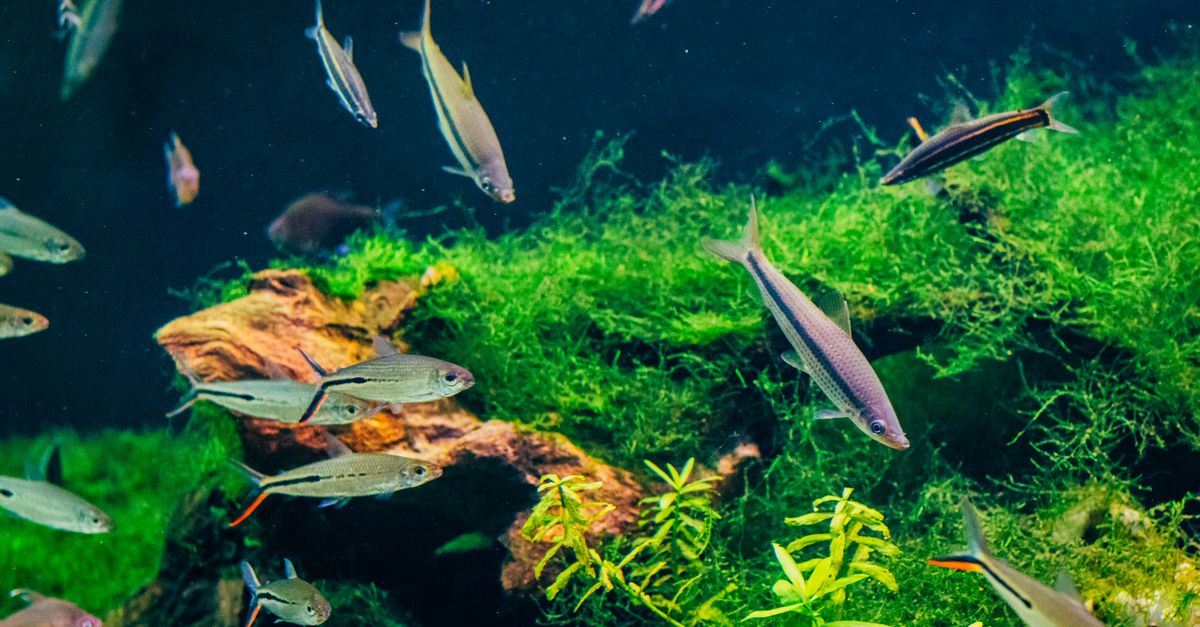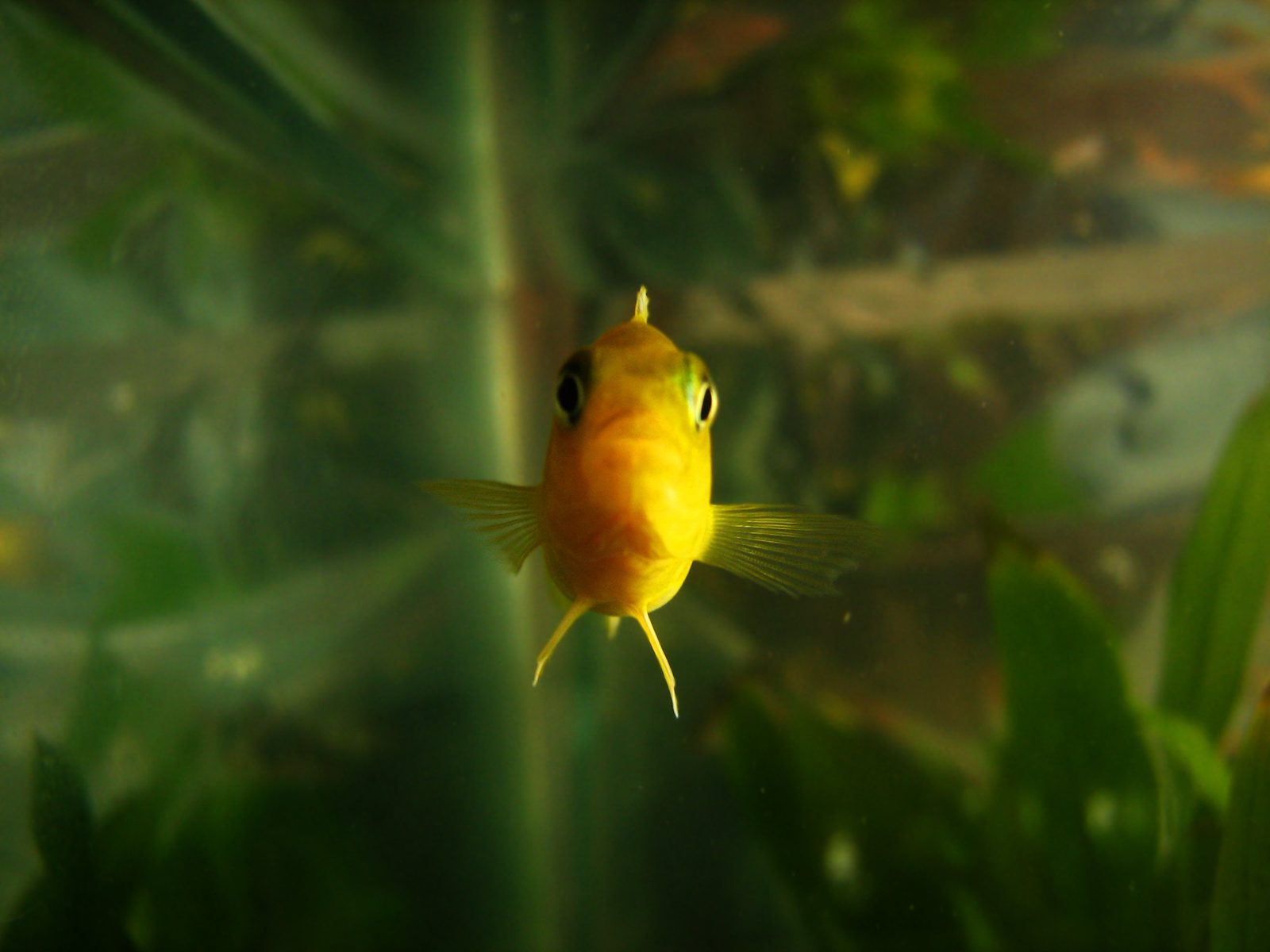
A bright yellow Labidochromis caeruleus mbuna cichlid swimming near rockwork

Setting Up a Lake Malawi Mbuna Tank on Hard Water

If you have hard, alkaline tap water and you want a tank that is loud with colour and constant activity, mbuna are one of the best things you can do with it. These are the rock-dwelling cichlids of Lake Malawi, small by cichlid standards but packed with personality and attitude, and the water they need is the water plenty of us spend money trying to get rid of. My tap runs around 22 dGH and buffers alkaline, and for a Malawi tank that is a head start most keepers would envy. This guide is how I set one up, and where the honest snags are, because a mbuna tank is brilliant fun but it is not a peaceful community and it is not forgiving of a soft-water mindset. ...
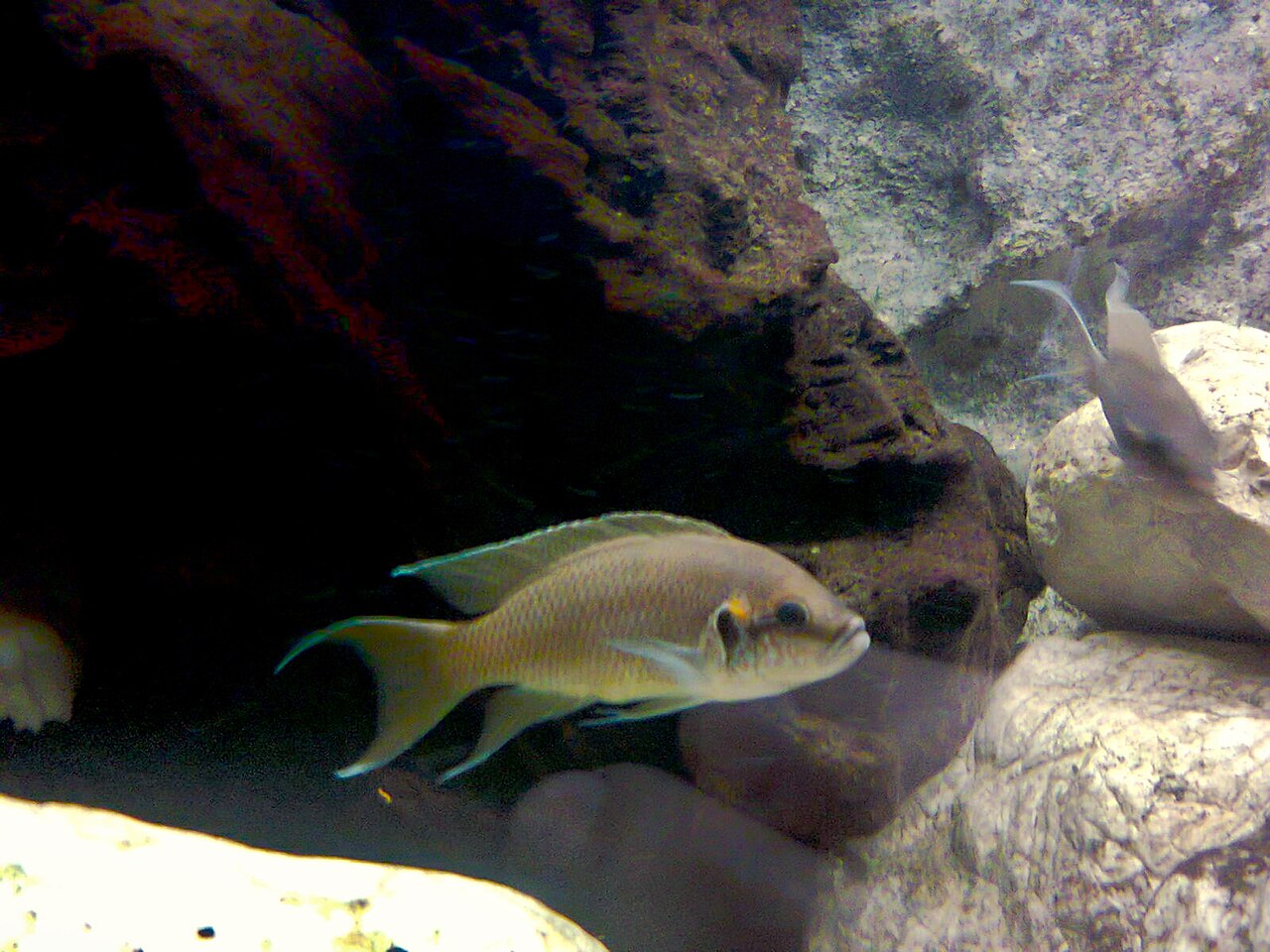
A Neolamprologus cichlid over rockwork in a Lake Tanganyika aquarium

Setting Up a Lake Tanganyika Tank on Hard Tap Water

Most people with very hard, alkaline tap water spend years fighting it. They buy pH-down, they lug home jugs of RO, they pick soft-water fish and then wonder why the fish never look right. I did all of that before I worked out the obvious thing: somewhere on the planet there is a lake with water almost exactly like the stuff coming out of my kitchen tap, and it is stuffed with some of the most interesting fish in the hobby. That lake is Tanganyika, and building a tank around it is the single easiest fishkeeping I have ever done on my water. ...

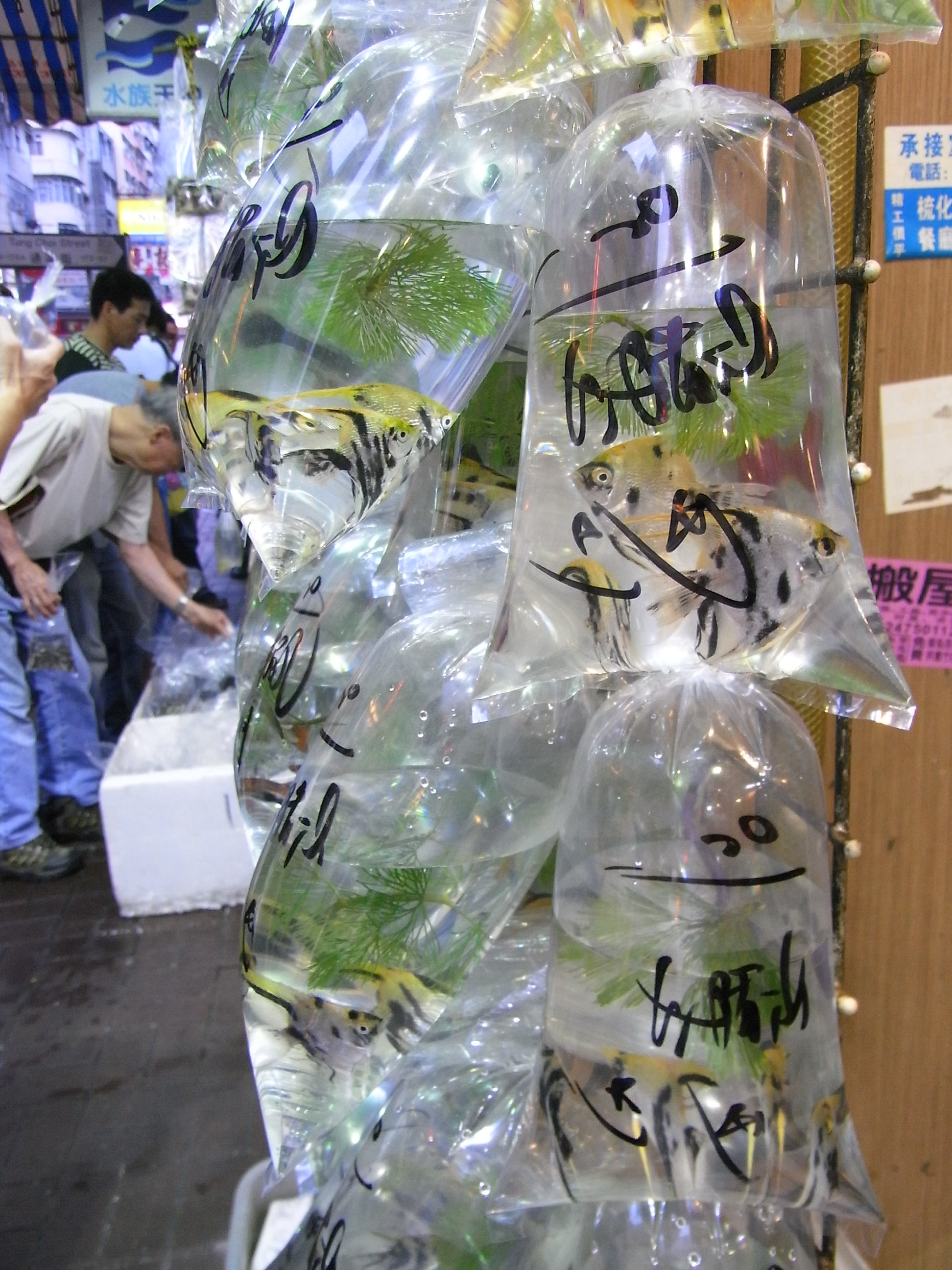
Aquarium fish in sealed plastic bags at a shop, ready to be taken home and acclimatised

How to Acclimate New Fish (Without Poisoning Them in the Bag)

Float the bag for fifteen or twenty minutes to match the temperature, then net the fish out and let it go. For most shop-bought fish, on most tap water, that really is the whole job. The elaborate hour-long drip rituals you see online are the right answer for a specific situation, and quietly the wrong answer for the ordinary one. I spent my first couple of years drip-acclimating everything because a forum told me to, and I now think some of those fish would have done better if I had just got them out of the bag sooner. Here is what actually matters, and why. ...

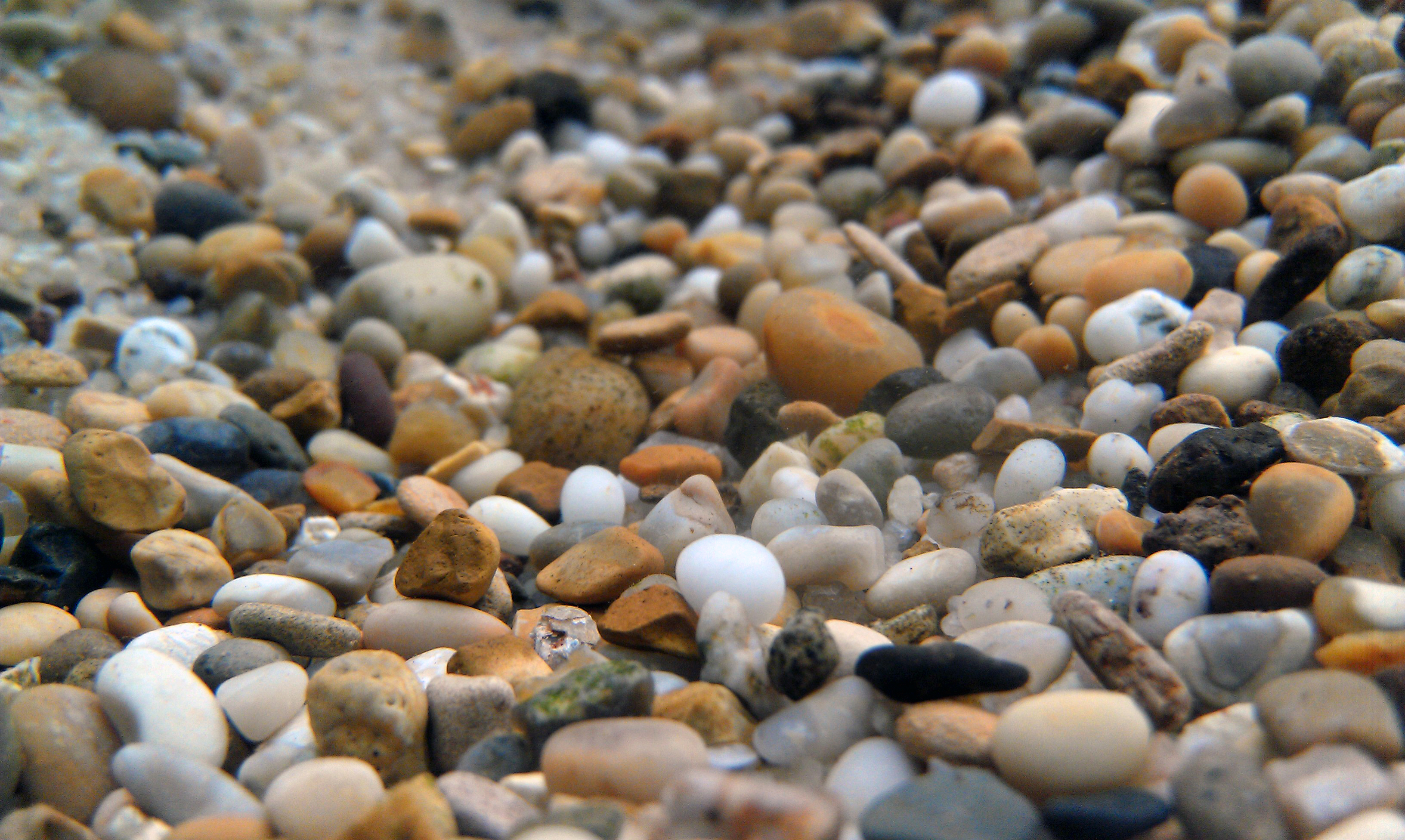
A layer of natural aquarium gravel across the bottom of a tank

Sand or Gravel? Choosing Your Aquarium Substrate

Substrate is one of those decisions new keepers rush and then regret. It goes in at the bottom, quite literally, so it gets treated as an afterthought behind the fish, the filter and the lighting. Then six months later you want to change it, and you discover that swapping substrate in a running tank is a filthy, disruptive job you would rather not repeat. It pays to think it through once, properly. The good news is that the choice is not complicated when you strip it back to what actually affects your fish and your water. This is how I decide, and what I would tell anyone setting up their first tank. ...

A shoal of small fish in a planted community aquarium

How Many Neon Tetras in a 10 Gallon Tank?

A 10 gallon tank, which is roughly 40 litres, comfortably holds a single shoal of six to eight neon tetras and nothing else. Neons are shoaling fish that need to be in a group to feel secure, and six is the sensible minimum. Eight is better still. That group fills the tank on its own, so resist the urge to add a second species alongside them. Free PDF ...

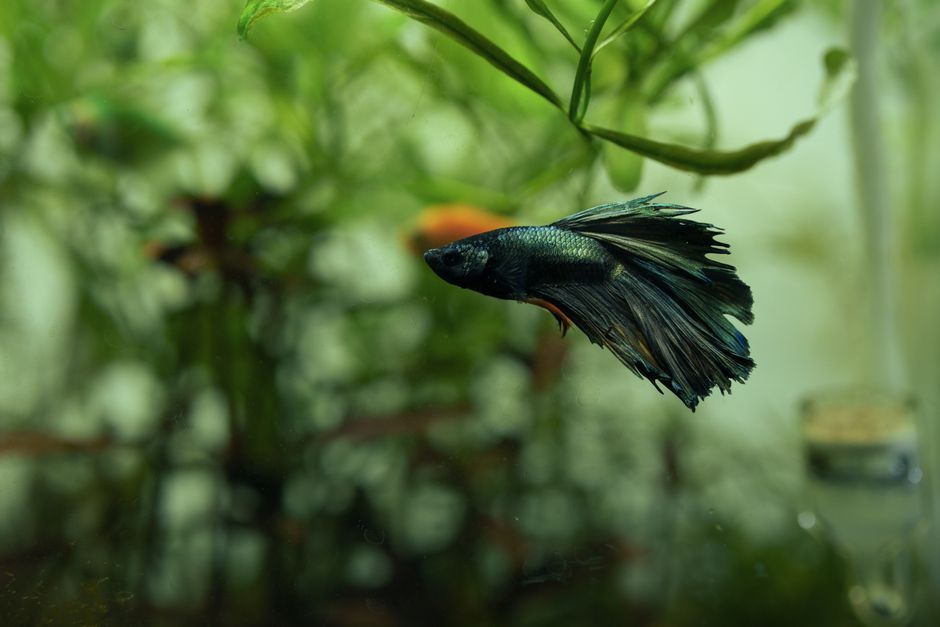
A betta fish in a planted freshwater aquarium

Betta Tank Setup: Building the Right Home for a Siamese Fighting Fish

If you want to set up a tank for a betta properly, here is the whole thing in one sentence: a heated, filtered, cycled aquarium of around twenty litres or more, with a lid, live or silk plants and gentle flow. Everything below is the detail behind that sentence, in the order you actually do it. This is a setup guide, the shopping list and the build, rather than a care guide. I have written the day-to-day feeding, fin health and behaviour side separately in betta care; this piece gets the tank right in the first place, because a good setup prevents most of the problems the care guide then has to solve. ...

A community freshwater aquarium stocked with several fish

How Many Fish Can I Keep in My Tank?

It is the question every new keeper asks, and the honest answer annoys people because it is not a number. How many fish you can keep depends on which fish, how big they get, the shape of the tank, the filter you run and how often you are prepared to pick up a bucket. What I can do is give you a way of thinking that keeps you out of trouble, and steer you away from the rule that causes most of the overstocked, struggling tanks I get asked to rescue. ...

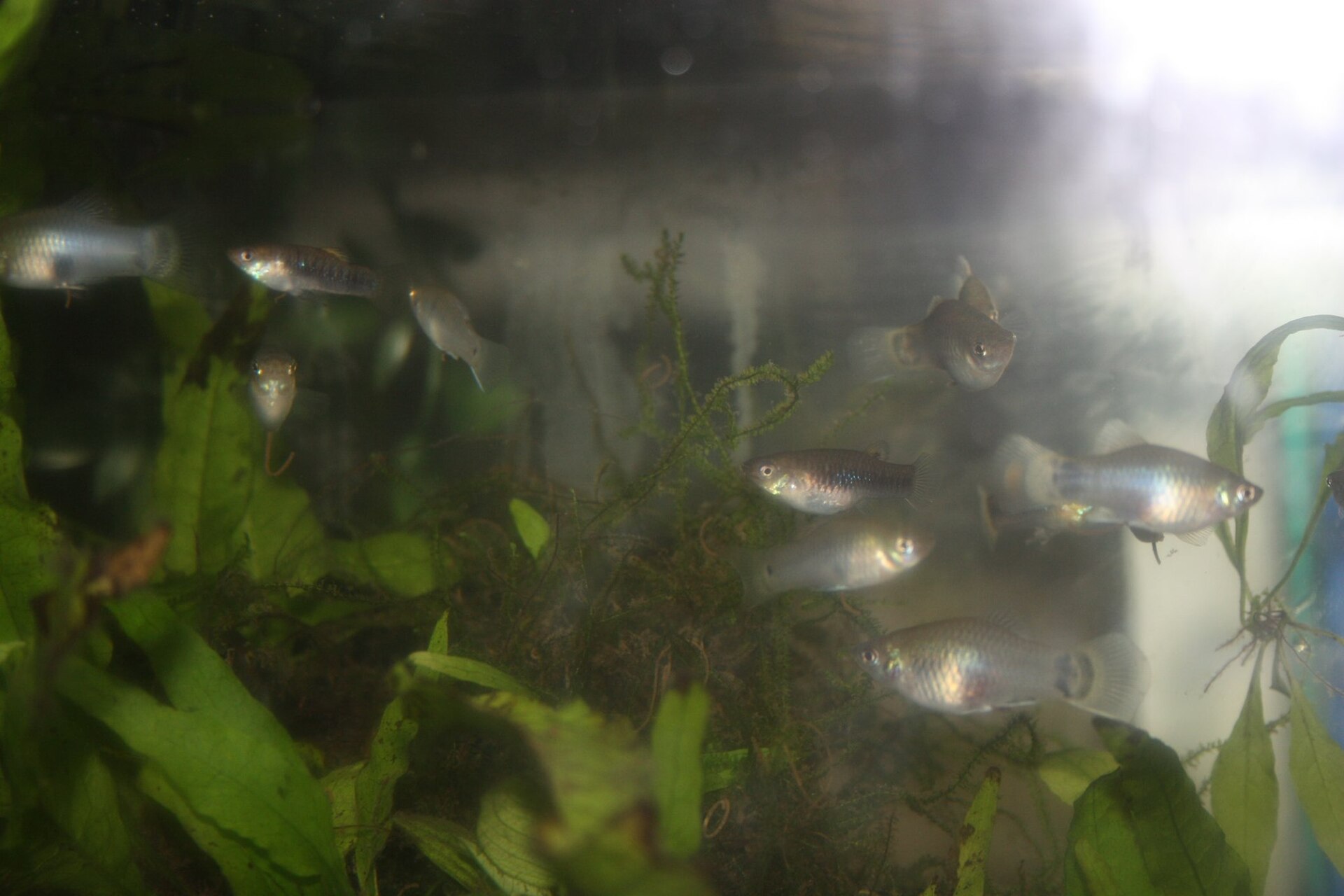
A brightly coloured platy, one of the hardiest beginner aquarium fish

The Best Beginner Aquarium Fish

The first fish you keep matter more than almost anything else you buy. Get a hardy, forgiving species and the inevitable early wobbles, a missed water change, a slightly overdue filter clean, a parameter you did not quite understand, become survivable lessons. Pick something delicate and those same mistakes turn into a row of little bodies and a beginner who quietly decides the hobby is not for them. I have watched both stories play out many times, and the difference usually came down to the fish on that first shopping trip. So this is the list I give friends who are setting up their first tank, with a particular eye on the sort of water most of us actually have coming out of the tap. ...

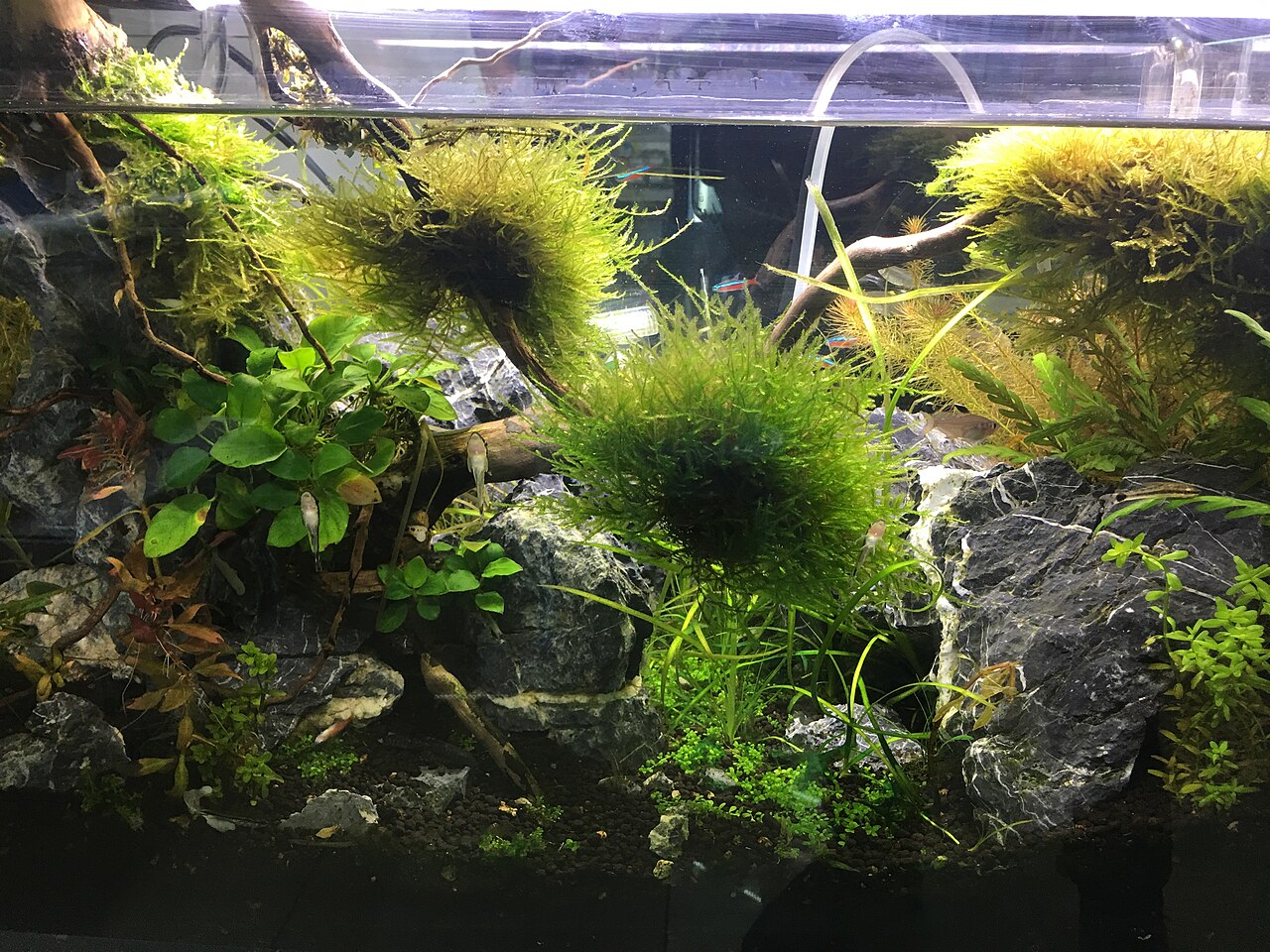
A freshwater aquarium being cycled

How to Cycle a New Aquarium: The Nitrogen Cycle, Done Properly

Every new tank I have set up in the last decade, and there have been a lot of them, has gone through the same invisible process before a single fish went in. It is not glamorous. It involves staring at test tubes, waiting, and resisting the urge to buy fish for weeks on end. But cycling a tank properly is the single biggest difference between a smooth start in this hobby and the miserable, familiar story of new fish dying within a fortnight. This article is the version of the process I wish someone had handed me at the start: what is actually happening in the water, how to do it without fish, how long it genuinely takes, and the handful of mistakes that quietly wreck it. ...

A home aquarium with fish

Choosing an Aquarium Filter: Sponge, HOB, Canister or Internal

Filter shopping is where a lot of beginners get fleeced, not because the filters are bad but because the marketing answers the wrong question. Boxes shout about carbon cartridges, five-stage systems and crystal-clear water, when the only question that matters is: how much surface area does this thing give the bacteria, and how much water does it move past them? I run every major filter type across my tanks, from air-driven sponges on shrimp and fry tanks to a canister on the big community tank, and the honest news is that all of them work. The job is matching the type to the tank, not finding the mythical best one. ...