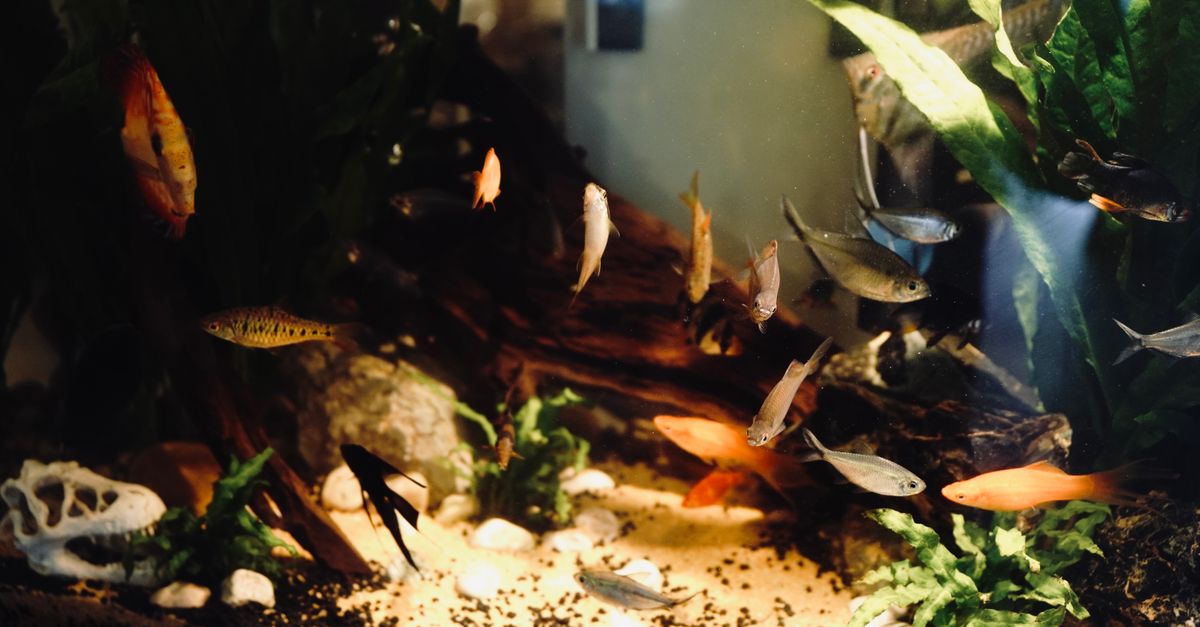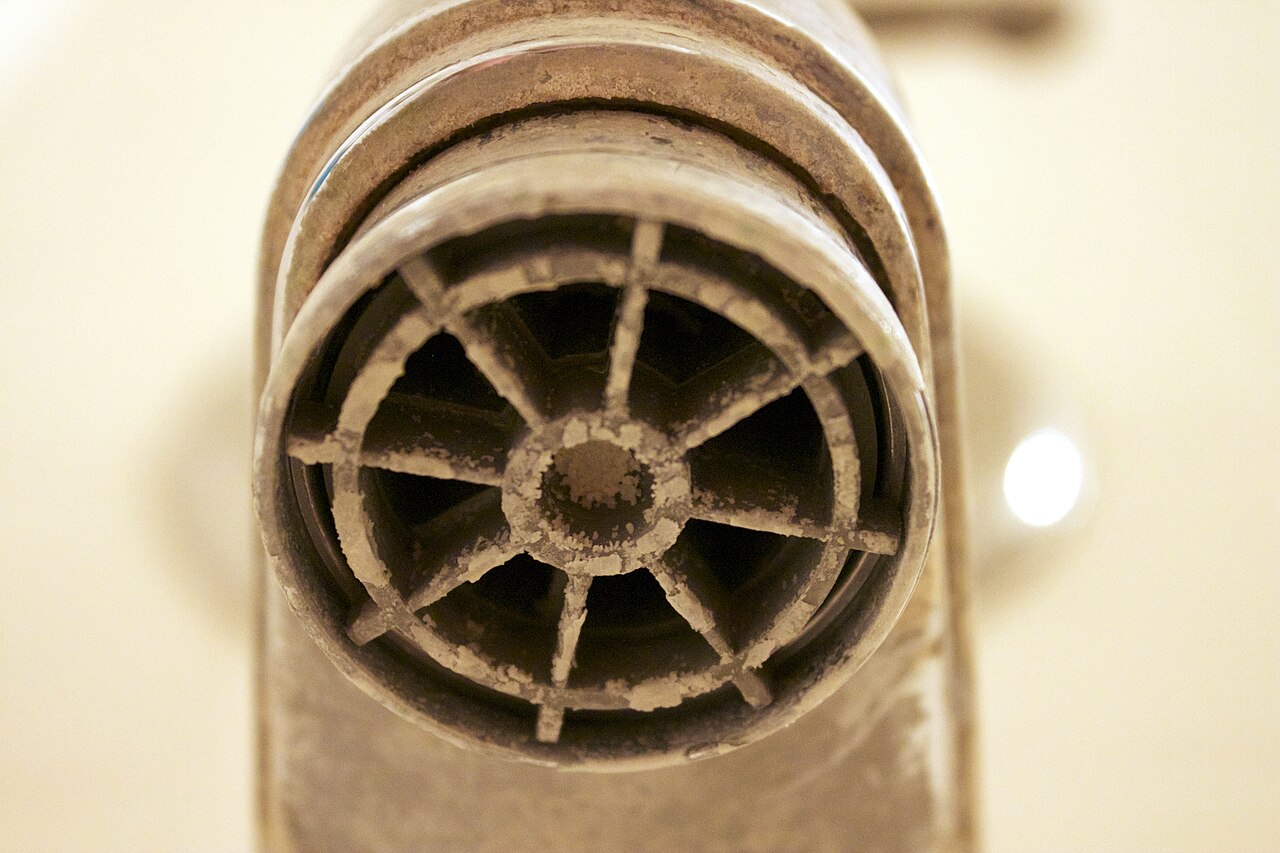
Thick white limescale and calcium deposits encrusting a tap from hard water

Limescale and White Residue: Living With a Hard-Water Aquarium

If your tap water is hard, you will meet limescale sooner or later. It shows up as a chalky white line where the water sits, a foggy film on the lid, and a crust creeping up the heater and the filter outlet. The first thing worth saying is that it will not hurt your fish. Limescale is a cosmetic nuisance, not a health problem, and once you understand what it is you can stop panicking about it and start managing it. I keep tanks on tap water that runs about 22 dGH, so I have scraped a fair amount of the stuff off glass over the years, and it turns out to be one of the easier problems in the hobby to live with. ...
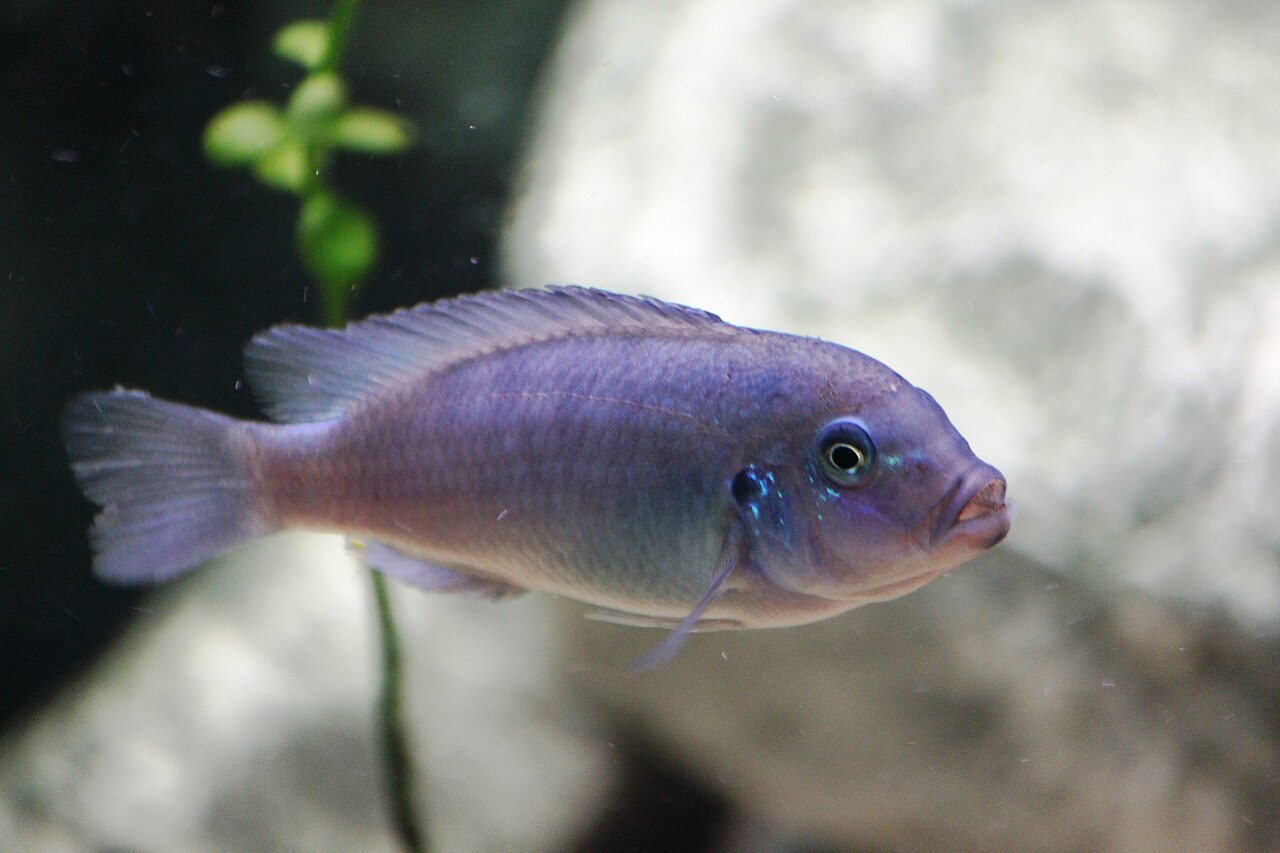
A bright blue female mbuna cichlid, one of the herbivorous Rift Lake species most prone to bloat

African Cichlid Bloat: What It Is, and Why Most People Blame the Wrong Thing

If you keep African cichlids for long enough, one day a fish that was fine last week will be sulking in a corner, refusing food, and trailing a length of clear or white stringy waste. That is the start of what most keepers call Malawi bloat, and it is the single problem that has cost me the most fish over the years. It moves faster than you expect, it does not always respond to treatment, and the advice online is a mess of half-truths. The most useful thing I can tell you up front is that bloat is very rarely about your water being too hard. On my tap, which runs about 22 dGH and alkaline, Rift Lake cichlids are exactly where they want to be. What tips them into bloat is almost always what goes in their mouths, and how stressed they are while it happens. ...

A planted freshwater aquarium with small fish

Aquarium Salt: When You Actually Need It, and When You Don't

There is no salt in any of my freshwater tanks, and there has not been for years. That is the short version, and for a healthy community tank it is also the complete version. Aquarium salt has a reputation as a general tonic, a splash of it in every tank to keep the fish perky, and that reputation is mostly leftover folklore from decades ago. It does have one genuinely useful trick, and a couple of narrow treatment roles, but the “add a bit to be safe” habit does more harm than good. Let me untangle what it actually does from what it is claimed to do. ...

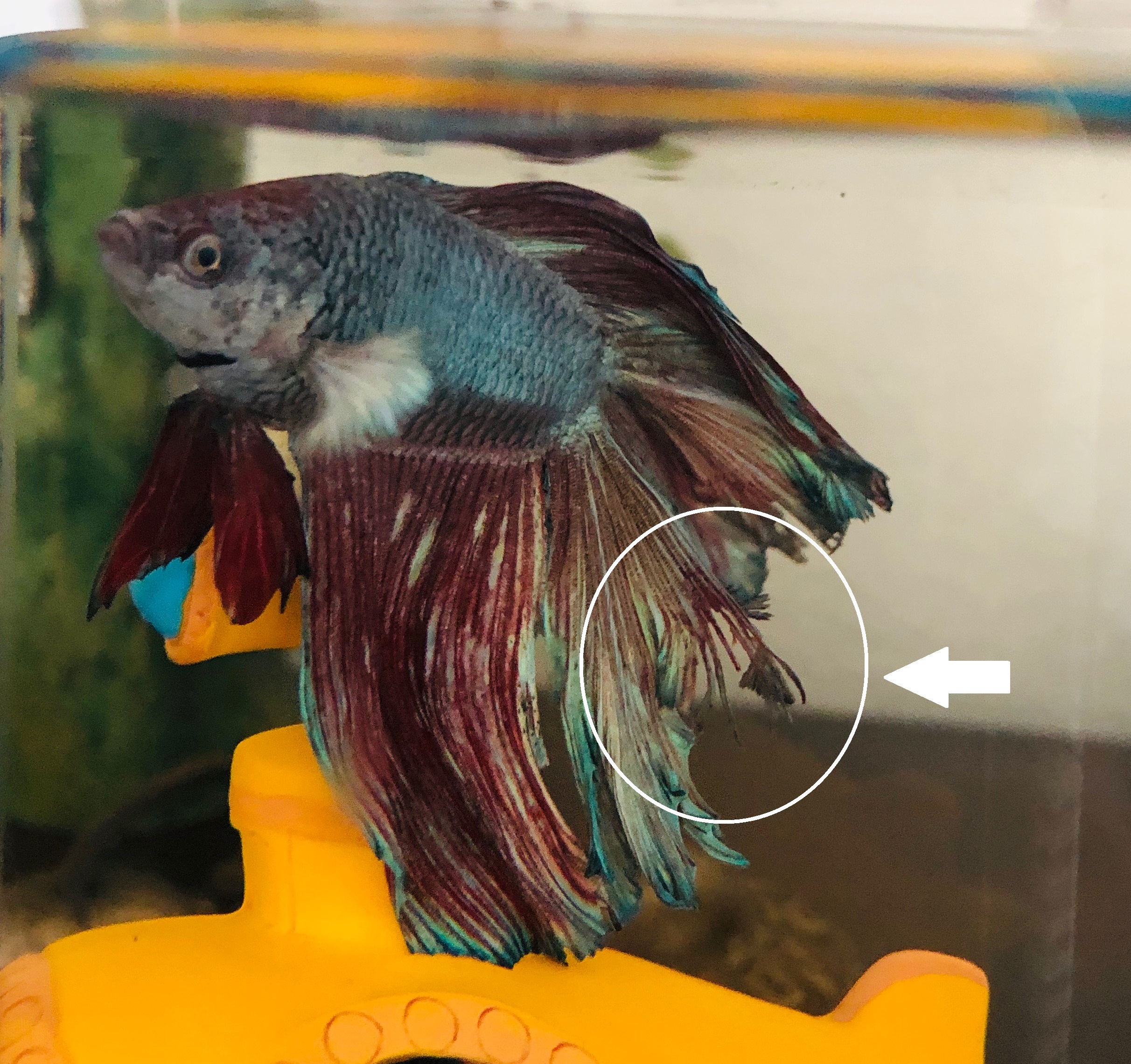
A betta with ragged, receding fins showing signs of fin rot

Fin Rot: What Causes It and How to Actually Fix It

Ragged fins are one of the first things a new keeper panics about, and fin rot is usually the diagnosis they land on, sometimes rightly. I have dealt with it more times than I would like, mostly in my early years when my water changes were casual and my tanks were more crowded than they should have been. The good news is that fin rot is rarely a death sentence and almost never a mystery. It follows poor conditions the way damp follows a leaking roof, and once you understand that, the fix stops being about chasing a magic bottle and starts being about the water. This is how I recognise it, treat it, and keep it from coming back. ...

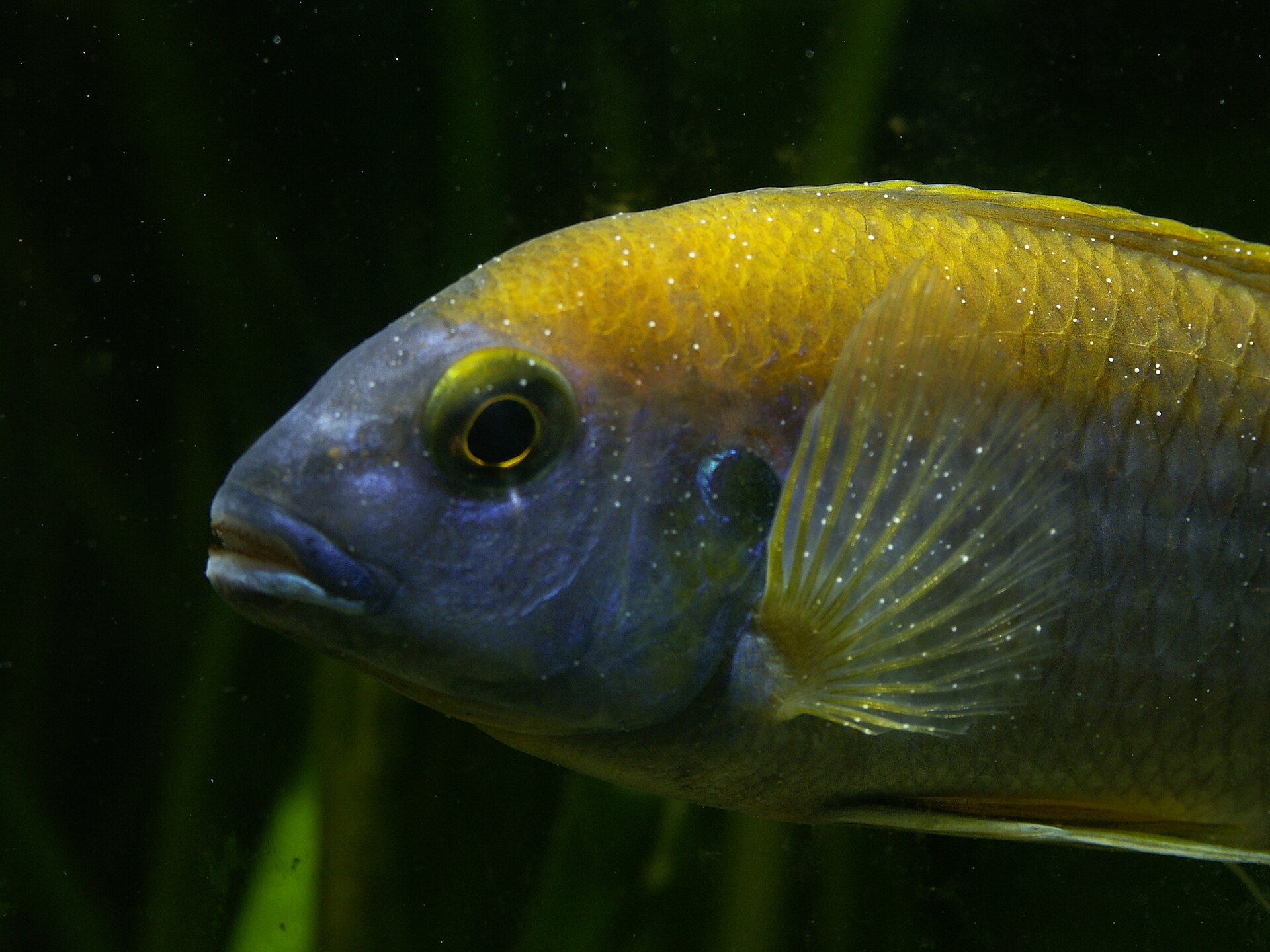
Aquarium fish covered in the white spots of ich infection

How to Treat White Spot (Ich) in Your Aquarium

Sooner or later most fishkeepers meet white spot, and the first time is a fright. You look at a fish one evening and it is dusted with tiny white grains, as if someone had shaken salt over it. That is ich, short for Ichthyophthirius multifiliis, and it is probably the most common parasitic disease in freshwater tanks. The good news is that it is very treatable if you understand what you are dealing with. The bad news is that people lose fish to it constantly, almost always because they stopped treating too soon. I have cleared it out of my own tanks more than once, and the whole thing comes down to respecting the parasite’s lifecycle. ...

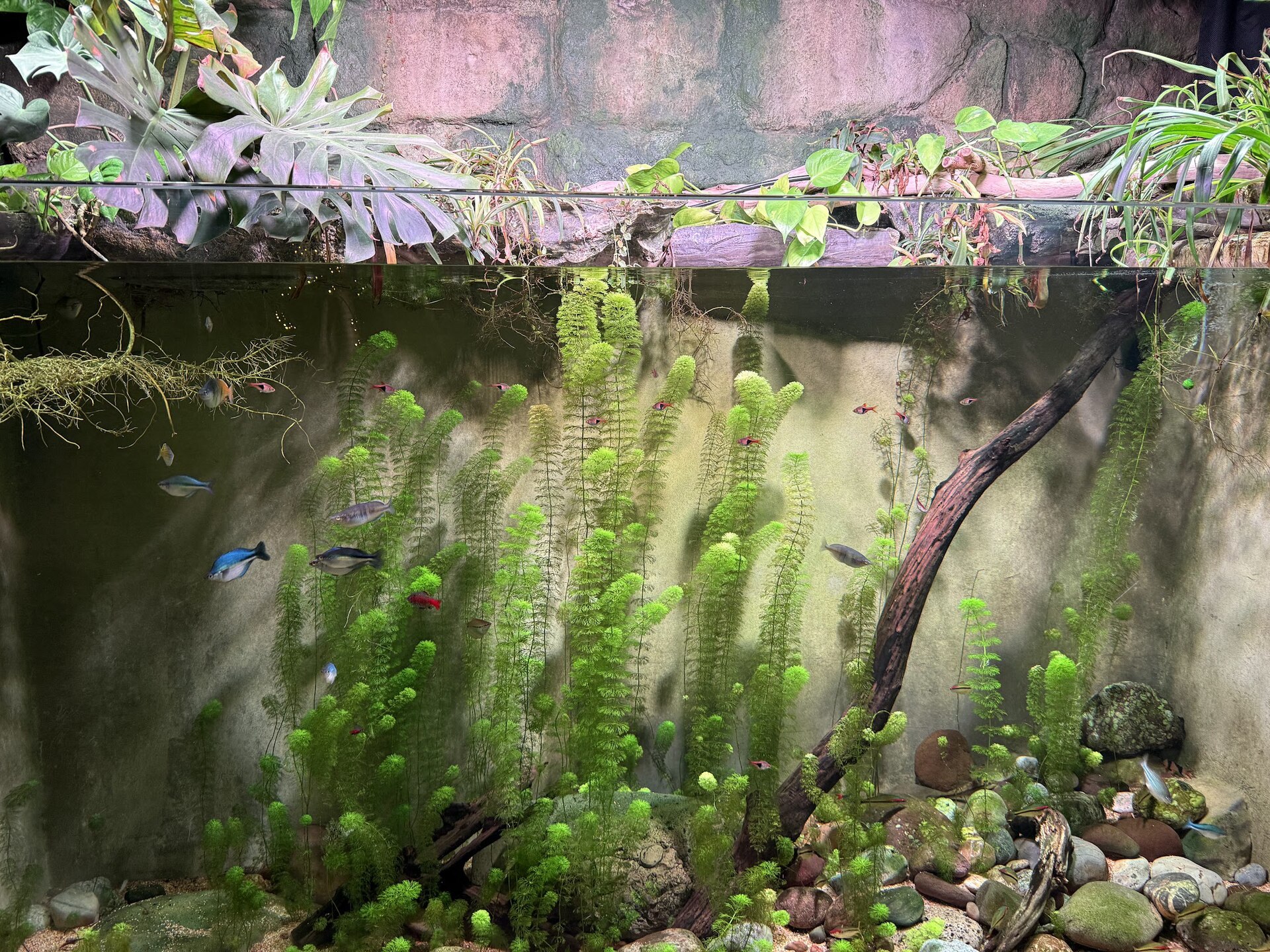
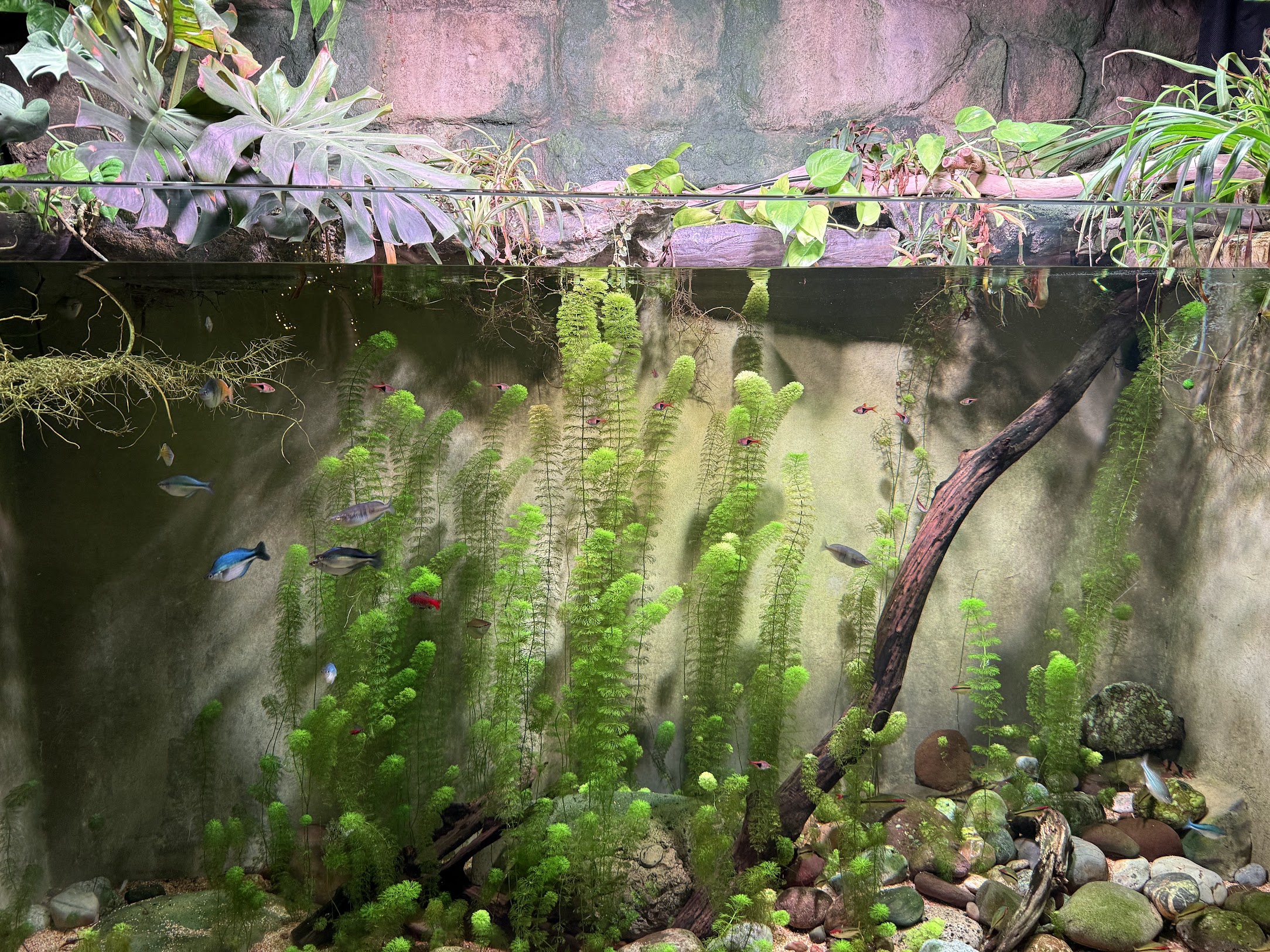
A healthy planted freshwater aquarium with small fish

Why Do My Fish Keep Dying?

Losing a fish is miserable, and when it keeps happening it is easy to decide you are simply unlucky, or that the hobby is not for you. In almost every case I have been asked to help with, the fish were not weak and the shop was not selling duds. Something in the tank or the routine was quietly wrong, and once it was found the deaths stopped. This is the checklist I work through with people, roughly in the order the problems tend to show up. ...

Water turned pea-green by a bloom of suspended algae

Why Is My Aquarium Water Green?

You walk past the tank one morning and the water has gone the colour of pea soup. The fish are still swimming about quite happily, the equipment is running, nothing smells wrong, and yet you can barely see the back glass. It is one of the more alarming things a new tank can do, mostly because it seems to arrive overnight and no amount of wiping the glass makes any difference. I have had it happen on new setups, on tanks that sat too near a window, and once on a tub of fry I was raising outdoors. The good news is that green water is one of the easier problems to fix once you understand what it actually is, and it very rarely hurts the fish. ...

A freshwater aquarium

Why Is My Aquarium Water Cloudy? Causes and Fixes

Cloudy water is probably the most common problem I get asked about, and it is also one of the most misdiagnosed. The panicked new keeper does a massive water change, the cloud comes back worse the next morning, they change more water, and around it goes. I have run a lot of tanks over the years, from shell dweller setups to outdoor tubs, and I have seen every flavour of cloudiness there is. The good news: the colour and timing of the cloud tell you almost exactly what is going on, and most of the fixes cost nothing. The bad news, if you can call it that: the most common cause is fixed by doing less, not more, and doing less is genuinely hard when your tank looks like dishwater. ...

Green algae in a freshwater aquarium

Aquarium Algae: The Common Types and How to Beat Each One

Every tank I have ever run has grown algae. The lovingly scaped planted tank, the bare quarantine tub, the shrimp bowl on my desk, all of them. So before anything else, let go of the idea that algae means you have failed. It does not. Algae is what happens when light and nutrients are available and nothing else is using them fast enough. The trick is not eradication, because eradication is impossible. The trick is identification. Each common type of algae points to a specific imbalance, and once you can read the signs, you can fix the cause rather than endlessly scrubbing at the symptom. ...