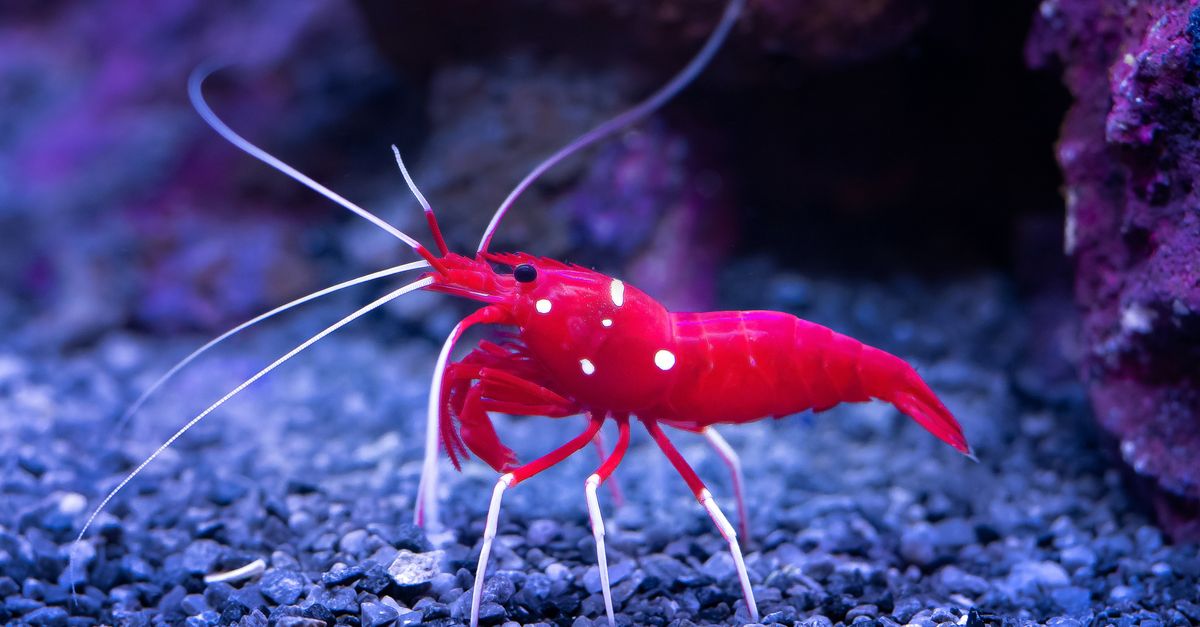
Cherry shrimp were one of the best additions I ever made to my fishroom, and one of the cheapest per animal once the colony got going. Neocaridina davidi, to give them their proper name, are small dwarf shrimp from Taiwan that have been selectively bred into red, orange, yellow, blue and near-black lines. Buy ten, look after them, and within a year you can have hundreds without doing anything clever. In my very hard tap water, around 22 to 23 dGH, they do not merely survive. They moult cleanly, colour up well and breed constantly. If your water is hard and you have been told it limits you, shrimp are one of the animals it actively favours.
Free PDF
Free aquarium water cheat sheet (PDF)
Grab the one-page reference for your tank: target ranges for pH, hardness, ammonia, nitrite and nitrate, plus a plain walkthrough of the nitrogen cycle. No fluff, unsubscribe any time.
Free, unsubscribe any time. The download starts as soon as you sign up.
What cherry shrimp actually need
The requirements list is short. A cycled tank, because shrimp are more sensitive to ammonia and nitrite than most fish, so run a proper fishless cycle before they go in. A tank of 20 litres or more, though a colony will happily fill 54 litres and look better for the space. A gentle filter, ideally a sponge filter, because shrimplets are a few millimetres long at birth and will be pulled into the intake of anything stronger. Temperature is flexible: anywhere from 18 to 26 °C works, and they breed fastest around 22 to 24 °C. I run some of my shrimp unheated indoors and they carry on regardless, just more slowly in winter.
Water chemistry is where hard-water keepers get their win. Shrimp build a new exoskeleton every time they moult, and that shell is largely calcium. In soft water, Neocaridina suffer failed moults, the notorious white ring of death where the shell splits behind the head and the shrimp cannot free itself. In hard water with a GH of 8 or above, moults tend to go smoothly. My 22 dGH tap water is at the top end of what they enjoy, and they have never shown a problem with it. If you want the fuller picture on GH, KH and why hard water is not the handicap beginners assume, I have written about that in keeping fish in hard water.
Stability matters more than any single number. Shrimp handle a wide range of parameters but they dislike sudden swings, so do smaller, regular water changes rather than occasional big ones, and match the temperature of the new water reasonably closely.
The copper warning, taken seriously
One genuine hard rule: no copper. Copper is lethal to invertebrates at concentrations fish shrug off. That means checking three things. First, medications. Many fish treatments, particularly anti-parasite and anti-snail products, contain copper sulphate and will wipe out a shrimp colony. Treat sick fish in a separate tank, which is one more argument for a quarantine setup. Second, plant fertilisers. Most aquarium fertilisers contain trace copper, but at those trace levels they are fine; the standard dosing of the common brands is used over shrimp tanks worldwide without trouble. It is overdosing and copper-based algaecides that kill. Third, your plumbing. If you have copper pipes and the water has sat in them overnight, run the tap for a minute before filling buckets. That is a sensible habit for fish too.
The book behind Lagonia
The Hard Water Aquarium
My practical guide to working with hard, alkaline tap water instead of fighting it: reading your water, choosing and setting up the tank, and keeping and breeding the fish that thrive in it, from livebearers to Rift Lake cichlids and shell-dwellers.
Ad · Amazon affiliate links. I earn a small commission on a purchase, at no extra cost to you.
Feeding a colony that mostly feeds itself
Cherry shrimp are grazers. They spend all day picking at biofilm, the thin layer of bacteria, algae and micro-organisms that coats every surface in a mature tank. This is why shrimp do poorly in brand-new, spotless tanks and thrive in older ones with a bit of algae on the glass and leaf litter on the floor. In a mature, planted tank, a small colony barely needs feeding at all.
Once numbers climb, supplement two or three times a week. Mine get a rotation of blanched vegetables, courgette and nettle mainly, plus a decent sinking shrimp food and the occasional catappa or oak leaf, which they will skeletonise over a fortnight. Feed only what is gone within a few hours. Uneaten food breeds planaria and fouls the water, and a shrimp tank needs very little input. If in doubt, feed less. A hungry shrimp colony cleans the tank; an overfed one crashes it. The general principles in feeding aquarium fish apply, only more so.
Breeding, which will happen whether you plan it or not
There is no technique to breeding Neocaridina beyond keeping them alive in a tank without predators. Females are larger and more intensely coloured, and a mature female shows a yellow or green saddle behind the head, which is eggs in the ovaries. After a moult she releases pheromones, the males swim frantically for an hour, and a few days later she is carrying 20 to 40 eggs under her tail, fanning them constantly. Around three to four weeks later, depending on temperature, fully formed miniature shrimp hatch. There is no larval stage and no special food needed; the young graze biofilm from day one.
Two things improve survival. Cover, meaning moss, plant thickets and leaf litter where shrimplets can hide and graze. And restraint with the gravel vacuum: I hover over the substrate in shrimp tanks rather than plunging in, because shrimplets sit in the gravel. It is the same logic as raising livebearer fry, where cover does more than any breeding trap, and I have covered that side in breeding livebearers.
One culling note: mixed colour lines revert. Keep reds with blues and within a few generations you get wild-type brown shrimp. They are perfectly healthy, just camouflaged. One colour per tank if colour matters to you.
Tankmates: the honest list
Here is the part shops soften. To almost every fish, a baby shrimp is food, and to many fish an adult shrimp is food. My rules of thumb after keeping shrimp alongside various fish:
- Shrimp-only or shrimp-with-snails tanks are the only setups where the colony grows at full speed. Snails and shrimp ignore each other completely.
- Small, small-mouthed fish such as ember tetras, chilli rasboras, pygmy corydoras and otocinclus will eat some shrimplets but a well-planted colony outbreeds the losses.
- Standard community fish like medium tetras, barbs, gouramis and angelfish will keep the population at zero growth or worse. Adults hide, babies vanish.
- Bettas, dwarf cichlids and loaches are shrimp predators, plain and simple. A betta will hunt shrimplets all day, and some individuals will take adults.
Decide up front whether you want a shrimp colony or a few decorative survivors, and stock accordingly. If you are counting bioload for a mixed tank, shrimp barely register; the stocking calculator treats them as close to free.
Why they belong in a hard-water fishroom
Cherry shrimp ask for a cycled, stable, gently filtered tank and calcium-rich water, which is exactly what hard tap water provides for nothing. They clean up algae and uneaten food, they breed themselves into a permanent population, and a thriving colony of deep red shrimp on green moss is genuinely one of the best-looking things in the hobby. Start with ten from a decent line, resist the urge to add fish for six months, and let them do what they do.