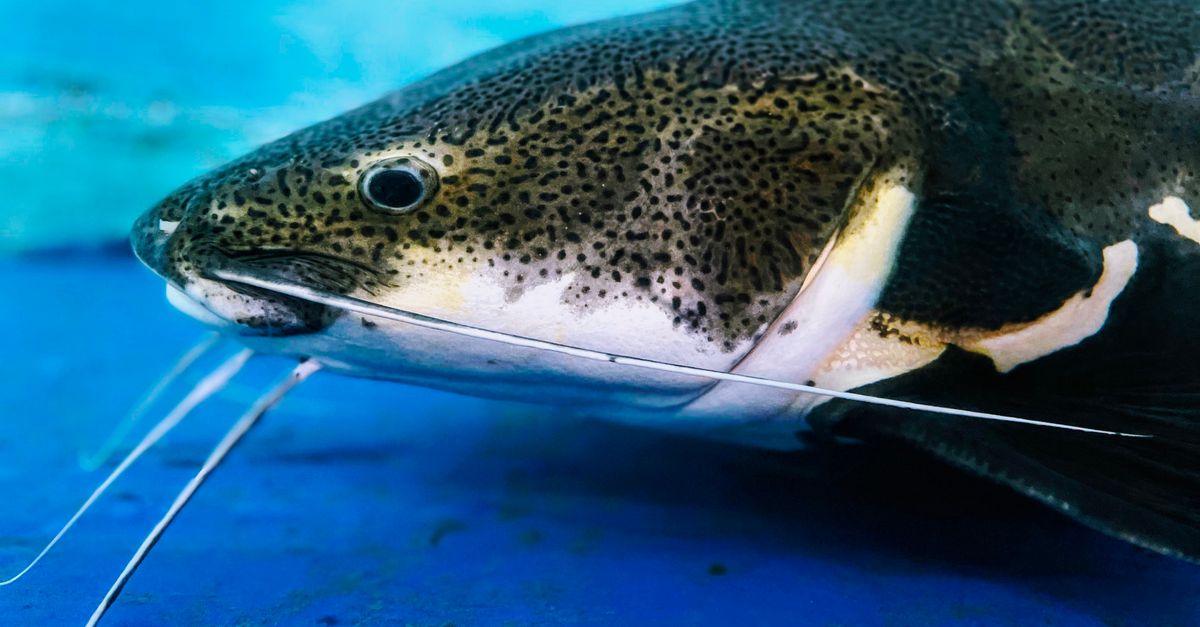
Ask in a shop for an algae eater and you will usually be pointed at a pleco. The trouble is that “pleco” covers everything from a 10 cm cave-dweller to a half-metre monster, and the cheap ones on the bottom shelf are very often the monster. The bristlenose pleco, sold as Ancistrus sp. or Ancistrus cf. cirrhosus, is the one that actually belongs in an ordinary home aquarium. Mine spend their days rasping the glass and the wood, spawn in caves without being asked, and have never outgrown their welcome. If a suckermouth catfish is going in your tank, make it this one.
Free PDF
Free aquarium water cheat sheet (PDF)
Grab the one-page reference for your tank: target ranges for pH, hardness, ammonia, nitrite and nitrate, plus a plain walkthrough of the nitrogen cycle. No fluff, unsubscribe any time.
Free, unsubscribe any time. The download starts as soon as you sign up.
Bristlenose versus common pleco: the size problem
The common pleco, usually Pterygoplichthys pardalis or a relative, is sold at 5 cm and grows to 30 to 45 cm. It gets there in a couple of years, produces spectacular amounts of waste, and ends its useful algae-eating career early, because large common plecos mostly stop bothering with algae and start bothering with everything else, including uprooting plants and bulldozing decor. There is no good exit for a fish like that: public aquaria do not want them, shops rarely take them back, and “release” is both illegal and cruel. Every one of them sold into a 100-litre community tank is a slow-motion mistake.
A bristlenose tops out around 12 to 15 cm, and most stay nearer 10 to 12. It is happy in tanks from about 80 litres, keeps grazing algae its whole life, and lives 10 years or more. Males grow the trademark tangle of fleshy tentacles across the snout, which looks bizarre and is completely harmless; females carry at most a few small bristles along the edge of the snout. Body-for-body it does the job the common pleco is bought for, without the ending. If you are budgeting bioload, a bristlenose counts as a chunky fish for its length because catfish are dense and messy; the stocking calculator is a decent sanity check before you add one to a small tank.
They are also unfussy about chemistry. Farmed bristlenoses have been bred in ordinary tap water for decades, and mine do fine in very hard water at 22 to 23 dGH, spawning included. Temperature anywhere from 21 to 27 °C suits them.
Driftwood is a requirement, not decor
Bristlenoses need wood in the tank, and this is one of the few pieces of pet-shop folklore that holds up. They rasp constantly at driftwood surfaces, taking in wood fibre and the biofilm growing on it, and this fibre seems to matter for their digestion. Loricariids like Ancistrus have long guts adapted to a low-value, high-bulk diet, and keepers who run them in tanks without wood report more digestive trouble and hollow-bellied fish. A single decent piece of bogwood or Mopani covers it, and it doubles as their preferred daytime hiding spot.
The wood will tint the water faintly amber with tannins. This is harmless, mildly beneficial if anything, and fades over months. It is not the same thing as the milky haze of a bacterial bloom; if you are unsure which you are looking at, the differences are covered in cloudy aquarium water.
The book behind Lagonia
The Hard Water Aquarium
My practical guide to working with hard, alkaline tap water instead of fighting it: reading your water, choosing and setting up the tank, and keeping and breeding the fish that thrive in it, from livebearers to Rift Lake cichlids and shell-dwellers.
Ad · Amazon affiliate links. I earn a small commission on a purchase, at no extra cost to you.
What they eat, and what they will not fix
Bristlenoses are excellent grazers of soft green algae, the film that coats glass, rocks and broadleaf plants. A single adult keeps a surprising area polished. What they will not touch, in my experience and everyone else’s, is black beard algae, staghorn or cyanobacteria. No fish is a cure for a tank with an underlying nutrient or light problem, and buying animals as algae treatment is backwards; sort the causes first, which I have written up in dealing with aquarium algae, and let the bristlenose be the maintenance crew rather than the ambulance.
They also cannot live on algae alone in a clean, established tank. Feed them deliberately:
- Sinking staples: algae wafers or a quality sinking pellet, dropped in after lights-out so faster fish do not strip them first.
- Vegetables: blanched courgette, cucumber, sweet pepper and shelled peas, weighted or clipped down. A courgette slice left overnight will be rasped to the skin.
- Occasional protein: a little frozen bloodworm or a carnivore pellet once a week, more for conditioning breeders. Heavy protein feeding every day is a common cause of digestive problems in this genus.
Remove vegetable leftovers after 24 hours before they foul the water. One warning for mixed tanks: never dose copper-based medications over a pleco, and be aware that a hungry bristlenose in a tank with slow, flat-bodied fish has occasionally been known to rasp at their sides overnight. Keep it fed and this is a non-issue.
Breeding: the fish that does it for you
Bristlenose breeding is genuinely easy, to the point where the usual problem is what to do with the young. The trigger list is short: a male, a female, a cave, decent food and clean water. The cave matters most. Males want a tube or cave barely wider than their body, closed at one end, and the commercial ceramic “pleco caves” are shaped that way for a reason. A male claims the cave, cleans it obsessively, and displays at the entrance.
The female enters, lays a clump of 30 to 80 large orange eggs on the cave ceiling, and leaves. From that point the male does everything: he seals himself in, fans the eggs, and guards first the eggs and then the wriggling, yolk-heavy larvae for about two weeks in total. Eggs hatch in four to five days at around 25 °C, and the fry emerge from the cave once the yolk is absorbed, as perfect 1 cm bristlenoses that immediately start grazing. Feed them crushed wafers, powdered fry food and blanched vegetables, and keep the water clean with small, frequent changes, because a cave full of fry raises the bioload sharply. A big spawn is 50-plus juveniles, so line up a shop or local keepers before it happens, not after.
If eggs get kicked out of the cave or the male abandons them, artificial hatching in a breeder box with an airstone over the eggs is possible but noticeably less reliable than leaving a good father to it. First-time males often botch a spawn or two before settling down. Let them learn.
The realistic picture
A bristlenose is not a dramatic fish. It is nocturnal by preference, spends daylight jammed under wood, and announces itself mainly through polished glass and the odd sighting of a whiskery face at feeding time. Give it 80 litres or more, a piece of driftwood, a cave, sinking food a few times a week and ordinary clean-water maintenance on the lines of a realistic maintenance schedule, and it will quietly do its job for a decade. That is the trade: less spectacle than a common pleco in a shop tank, and none of the regret.